Over the years, you may have heard several myths about uterine fibroids. Most of these fibroid myths are based on outdated medical information or popular misconceptions. Women with fibroids need to learn the facts before selecting a treatment strategy. Read on to discover the truth behind these popular uterine fibroid myths.

Myth #1: Fibroids are cancerous growths in the uterus.
After receiving a diagnosis of uterine fibroids, most patients' first question is, "Are fibroids cancerous?" Fortunately, the answer is no! Fibroids are benign growths and are not linked to uterine cancer. They can cause painful symptoms that affect your quality of life but are usually not life-threatening.
If you have fibroids, it's unlikely that you will need invasive treatments like chemo or open surgery. Most women can treat their fibroids with medication or minimally invasive procedures.
Myth #2: Hysterectomy is the only effective treatment for uterine fibroids.
In the past, hysterectomy was often the only option for women with uterine fibroids. (iii) Thanks to medical advances, there are several minimally invasive alternatives to hysterectomy. (ii)
Uterine fibroid embolization (UFE) is one of those minimally invasive options for many women. This nonsurgical outpatient procedure can treat uterine fibroids without removing the uterus. UFE is ideal for women who want to avoid invasive surgery and a long recovery.
Myth #3: If you have fibroids, you can't get pregnant or stay pregnant.
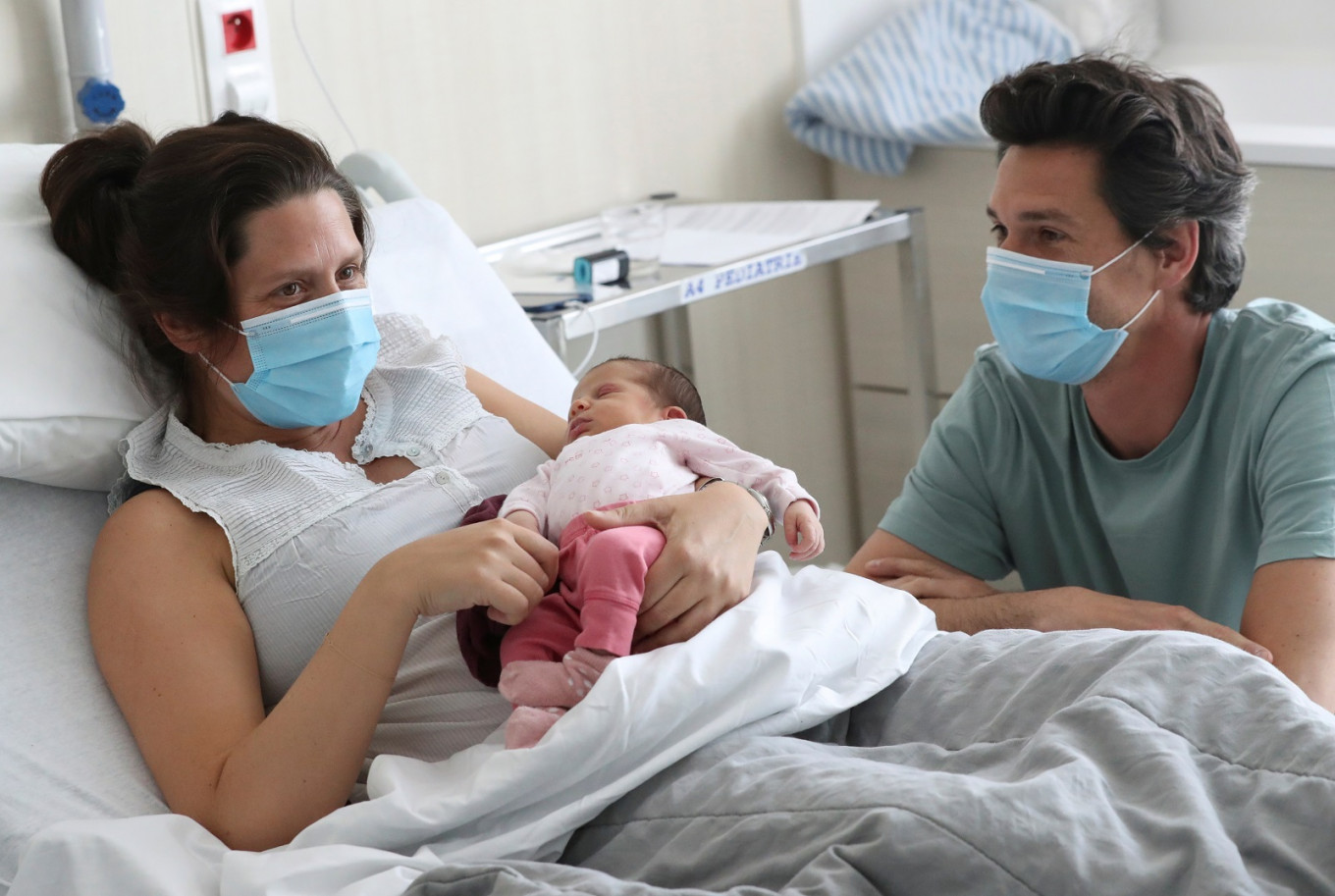
Many patients assume there is a strong link between fibroids and infertility. But not all fibroids affect your fertility. (i) Your chances of conceiving and carrying your pregnancy to term depend on many factors. Women with asymptomatic fibroids usually don't experience any fertility problems. (ii)
If your fibroids cause fertility issues, treatment can help improve your odds of having children. Many women with fibroids go on to have healthy pregnancies.
Myth #4: Fibroids only affect women in their 30s and 40s.
Fibroids can affect women of all ages. Between 20 to 80 percent of women will develop fibroids by the time they turn 50, and African-American women are three times more likely to develop fibroids than Caucasian women. (v) Many women with fibroids may not even be aware of them without symptoms.
Your risk of developing fibroids decreases after menopause as your estrogen levels decline.
Myth #5: Once fibroids are removed, they can't return.
Unfortunately, new uterine fibroids may develop after treatment. (ii) If you're diagnosed with fibroids, follow up with your physician regularly. Routine exams and imaging tests can help your doctor check for new or recurring fibroids.
If your fibroids recur, you may need to try a different treatment. Your doctor can help you choose the best method for shrinking or removing your fibroids. Minimally invasive procedures like UFE help many women permanently eliminate their fibroids.
Myth #6: If you have fibroids, you will have heavy menstrual bleeding and pain.
Heavy or painful periods are common symptoms of uterine fibroids. Not all women with fibroids experience these symptoms. Other common symptoms include constipation, bladder dysfunction, and backaches. (vi)
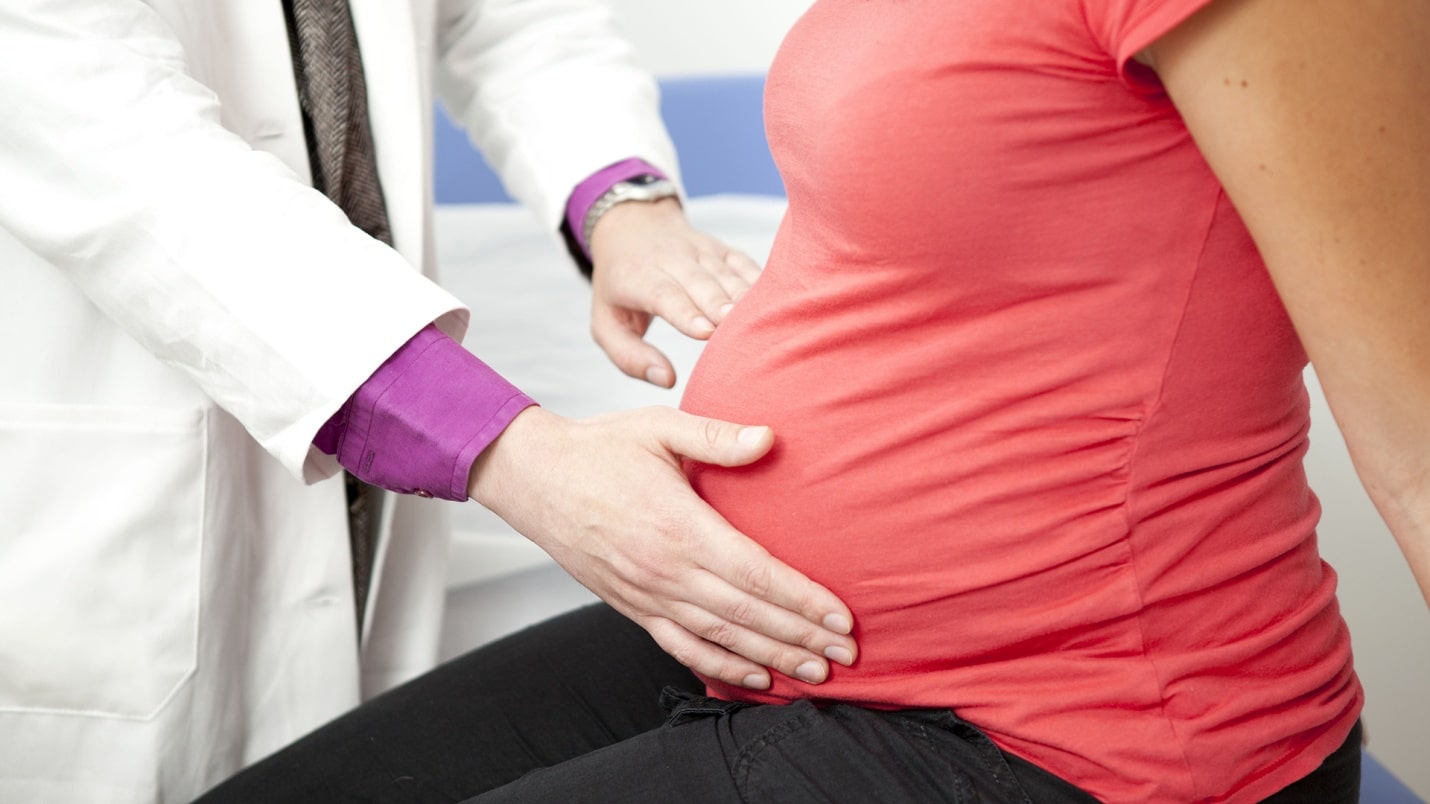
Small fibroids may not cause symptoms, and even larger fibroids don't always cause heavy menstrual bleeding or pelvic pain. The only way to know if you have fibroids is to see a doctor for a comprehensive exam.
Myth #7: If fibroids are untreated, they will continue to grow.
Fibroids can sometimes grow large enough to cause abdominal swelling but not all fibroids get bigger. (i) Many women have small fibroids that don't grow or cause symptoms. Some fibroids may grow to a specific size and then stop growing. (ii) A rare fibroid may rupture, requiring urgent medical attention.
It can be challenging to predict whether your fibroids will grow. If you have small, asymptomatic fibroids, your doctor may delay treatment while monitoring your condition.
Myth #8: Fibroids must be removed.
If your fibroids cause heavy bleeding, severe pain, or fertility problems, you'll probably need treatment, but not all fibroids cause symptoms. With asymptomatic fibroids, the risks of removal may outweigh the benefits. (ii)
A vascular specialist can help you decide if treatment is necessary. If you need treatment, open surgery is not your only option. Outpatient procedures like UFE rarely cause any significant post-surgical complications.
Myth #9: Taking medication can make fibroids disappear.
Nonsurgical fibroid treatments are sometimes an option. Progesterone-based pills or shots can lessen heavy bleeding due to fibroids. Some drugs may even help shrink fibroids over time, but these medications only work as long as you continue taking them.
If you stop the medication, your symptoms may return, and your fibroids may continue to grow. Some women also experience unpleasant side effects from these medications. (ii) Surgical procedures may offer a better long-term option for many patients.
Myth #10: Fibroids disappear after menopause.
Fibroids don't always disappear after menopause. If you're undergoing hormone replacement therapy, these medications may even cause new fibroids to develop.
Postmenopausal women can still require treatment for fibroids. Fortunately, there are a variety of treatment options available. Your doctor can help you review your treatment options and choose the best one.
Many women prefer a nonsurgical approach to treating their fibroids. UFE is a minimally invasive procedure that safely and effectively shrinks fibroids by blocking their blood flow, causing them to shrink and disappear.
If you have uterine fibroids, you need information that will help you separate fibroid myths from facts. At Tamara Hospital and ivf center, the best fertility treatment in Bangalore, you'll work with qualified vascular specialists who can help you learn more about your diagnosis and choose the right treatment strategy.
Share this Post


05/04/2025

16/01/2025
10/08/2023
10/08/2023
10/08/2023
10/08/2023

24/07/2023
04/07/2023
04/07/2023
17/06/2023

18/05/2023

24/04/2023
16/03/2023
21/02/2023
21/05/2022

17/03/2021

05/03/2021

02/03/2021

17/02/2021

22/01/2021
18/01/2021
12/01/2021

04/01/2021
31/12/2020

28/10/2020

06/08/2020
03/07/2020

20/06/2020

12/05/2020

14/03/2020

29/02/2020
06/02/2020
State of the science Equipment and Treatment Experience of 35 plus years in patient service Advanced & cost effective Fertility treatment Boutique Birthing Suites Our doctors are from among the best in Bangalore Ambience which is beautiful and pleasant.
#34-3, 10th Cross, 1st N Block,
Opp. Vardhaka Saradar Patel School,
Rajajinagar, Bangalore – 560 010
Telephone : +91 82962 60095