Introduction
Reproductive health is influenced by many factors, including genetics, lifestyle, and medical conditions. However, environmental factors—such as exposure to pollutants, chemicals, and toxins—play a significant role in fertility. With rising industrialization and pollution levels, it is crucial to understand how these environmental threats impact fertility and what steps can be taken to protect reproductive health.
At Tamara Hospital and IVF Centre, we are committed to raising awareness about how environmental exposure can affect both male and female fertility and providing solutions to help couples achieve their dream of parenthood.
How Environmental Factors Affect Fertility
- Air Pollution and Reproductive Health
- Exposure to airborne pollutants (such as carbon monoxide, nitrogen dioxide, and fine particulate matter) has been linked to reduced fertility rates.
- Studies show that long-term exposure to polluted air can cause hormonal imbalances, menstrual irregularities, and poor egg quality in women.
- In men, air pollution can lead to lower sperm count, reduced motility, and increased sperm DNA damage.
- Endocrine-Disrupting Chemicals (EDCs) and Hormonal Imbalance
Endocrine-disrupting chemicals (EDCs) are substances that interfere with the body's hormonal system, leading to fertility issues. These chemicals are found in:
- Plastics and food containers (BPA and phthalates)
- Pesticides and herbicides (commonly used in farming)
- Personal care products (parabens, synthetic fragrances)
Effects on fertility:
- Women: EDCs can lead to ovarian dysfunction, early menopause, and polycystic ovary syndrome (PCOS).
- Men: EDCs can cause low testosterone levels, reduced sperm quality, and testicular disorders.
- Heavy Metals and Their Impact on Reproduction
Heavy metals like lead, mercury, arsenic, and cadmium are toxic to reproductive health. These metals are commonly found in:
- Contaminated water and food sources
- Industrial emissions and factory waste
- Certain beauty products and household items
How they affect fertility:
- Lead exposure can cause miscarriages and stillbirths in women.
- Mercury is linked to birth defects and developmental delays in babies.
- Cadmium and arsenic have been associated with low sperm count and testicular damage.
- Radiation and Electromagnetic Exposure
- Prolonged exposure to radiation from mobile phones, laptops, and Wi-Fi devices may affect sperm quality and ovarian function.
- Medical radiation (such as X-rays and CT scans) should be minimized during fertility treatments to protect reproductive organs.
- Lifestyle-Related Environmental Exposures
- Smoking and secondhand smoke: Contains toxins that damage eggs and sperm.
- Alcohol consumption: Alters hormone levels and reduces fertility potential.
- Poor diet with processed foods: Increases exposure to artificial additives and preservatives, which may impact reproductive health.
How to Protect Reproductive Health from Environmental Hazards
- Limit Exposure to Air Pollution
- Avoid areas with heavy traffic and industrial pollution.
- Use air purifiers at home to reduce indoor pollutants.
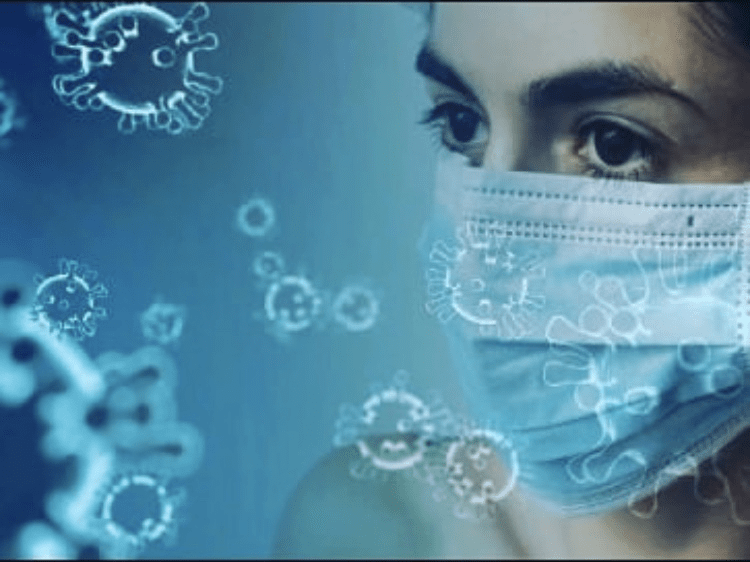
- Wear a mask in high-pollution areas to minimize inhalation of harmful particles.
- Reduce Contact with Endocrine Disruptors
- Use glass, stainless steel, or BPA-free containers for food storage.
- Choose organic foods to reduce pesticide exposure.
- Avoid plastic water bottles and canned foods lined with BPA.
- Opt for natural and chemical-free personal care products.
- Detoxify Heavy Metals from the Body
- Drink filtered water to avoid contamination.
- Consume foods rich in antioxidants (leafy greens, berries, and nuts) to help detoxify the body.
- Get regular medical checkups if exposed to industrial pollutants or heavy metals.
- Manage Electromagnetic Exposure
- Avoid keeping laptops on your lap for long periods.
- Reduce mobile phone usage near reproductive organs.
- Limit unnecessary X-rays and radiation exposure when trying to conceive.
- Maintain a Healthy Lifestyle
- Quit smoking and limit alcohol consumption.
- Adopt a balanced diet rich in vitamins and minerals essential for fertility.
- Engage in regular exercise to improve blood circulation and hormone balance.
Seeking Fertility Assistance at Tamara Hospital and IVF Centre
If you suspect environmental factors are affecting your fertility, consulting a specialist is crucial. At Tamara Hospital and IVF Centre, our expert team provides:
- Comprehensive fertility evaluations to identify environmental and medical factors impacting fertility.
- Personalized lifestyle and dietary recommendations to enhance reproductive health.
- Advanced fertility treatments, including IVF and IUI, tailored to overcome fertility challenges.
📞 Contact Tamara Hospital and IVF Centre today for expert fertility guidance and treatment. Let us help you take proactive steps toward a healthier reproductive future!
Written By
Dr. Akhila Anand
MBBS, DGO, DRM Gynecologist, Obstetrician & Infertility Specialist
Experience: 11+ Years
Dr. Akhila Anand is the resident Obstetrician, Gynecologist & one of the Best Fertility / IVF Doctor in Rajajinagar, Bangalore.
Share this Post