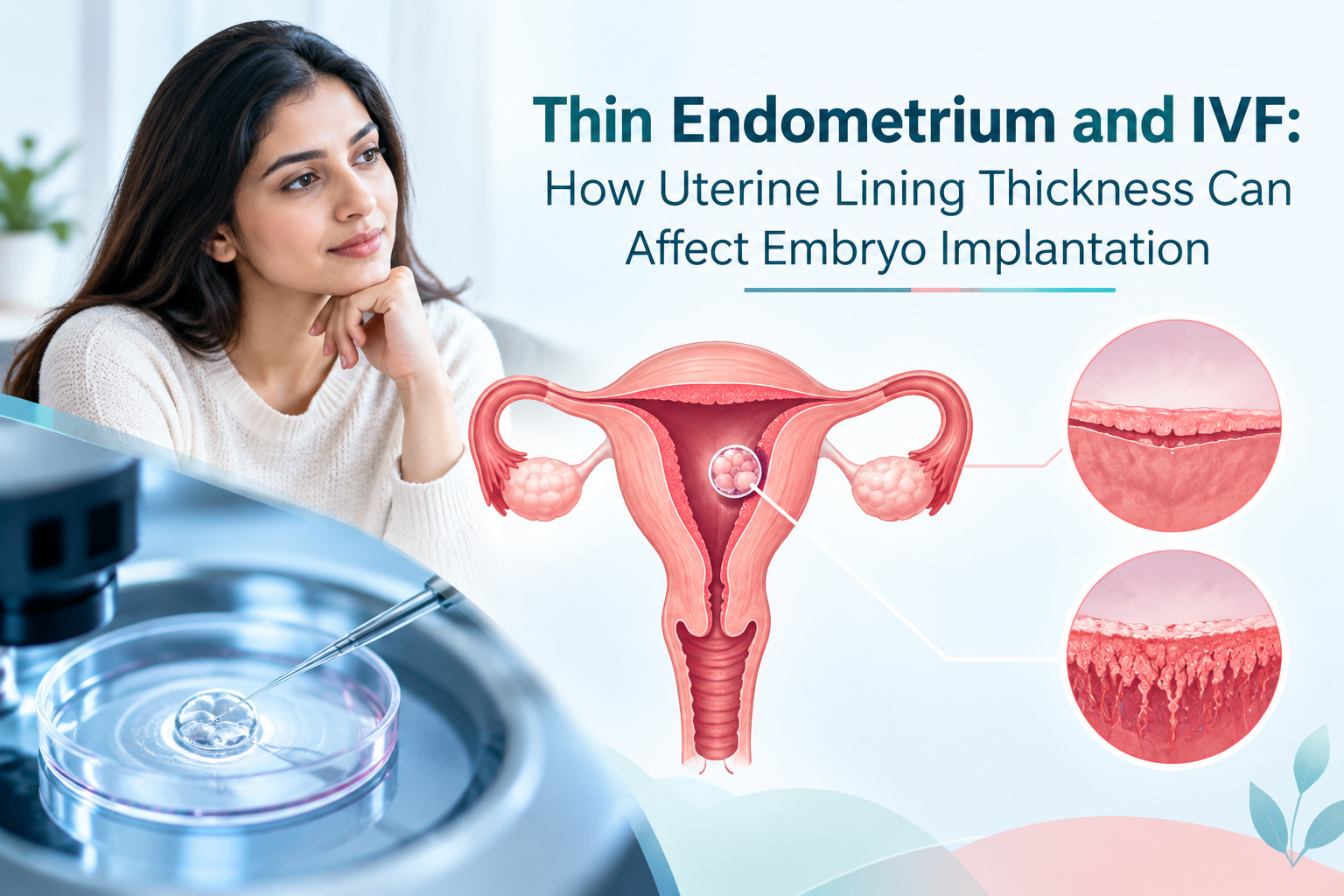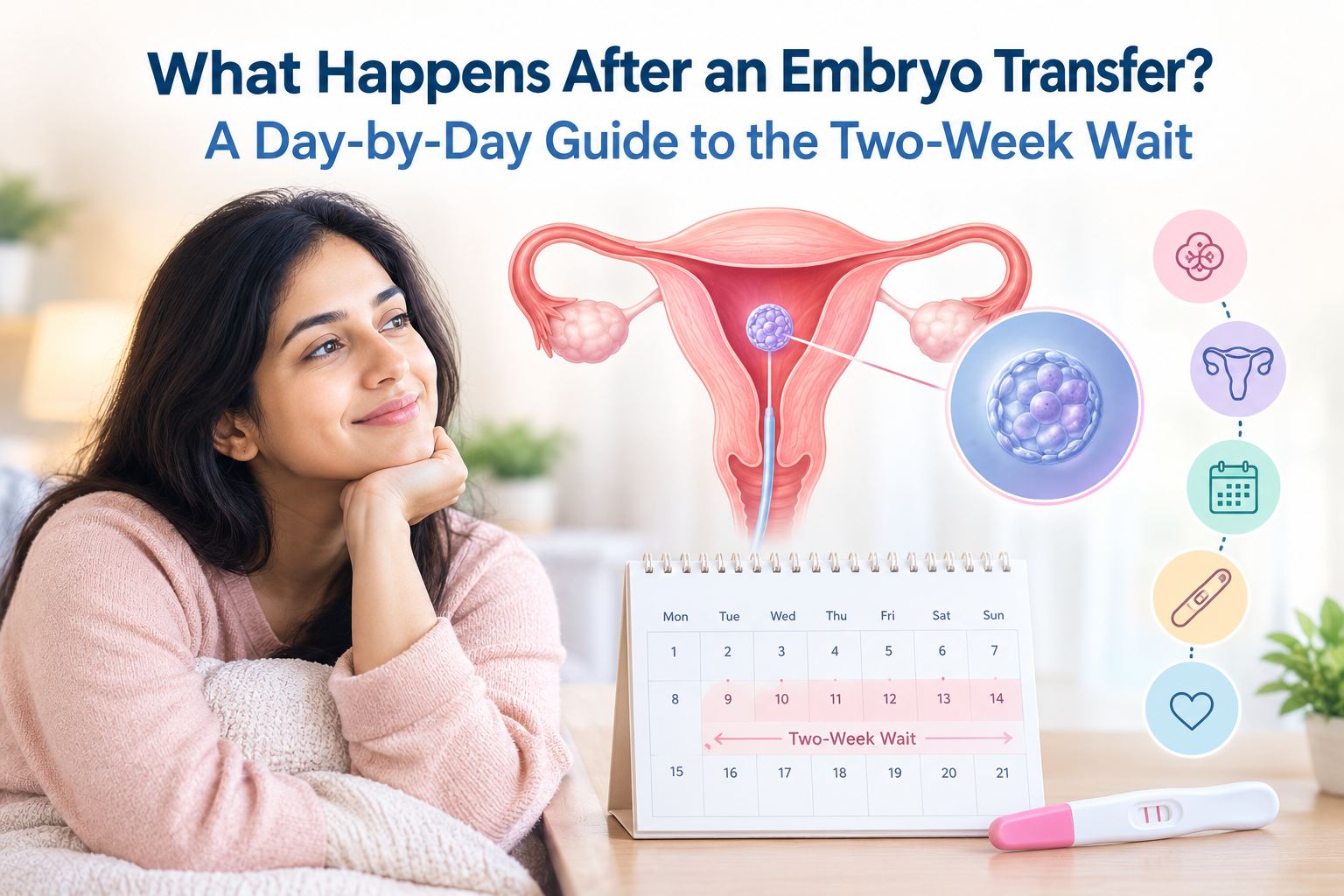
For many couples undergoing IVF, embryo transfer is an exciting but emotionally challenging milestone. After the procedure, one of the most common questions is: “What happens next?”
The period between embryo transfer and the pregnancy test is often called the two-week wait. During this time, patients may closely monitor every sensation and wonder whether symptoms indicate implantation or pregnancy.
Understanding what generally happens after an embryo transfer can help patients know what to expect while remembering that every IVF journey is different.
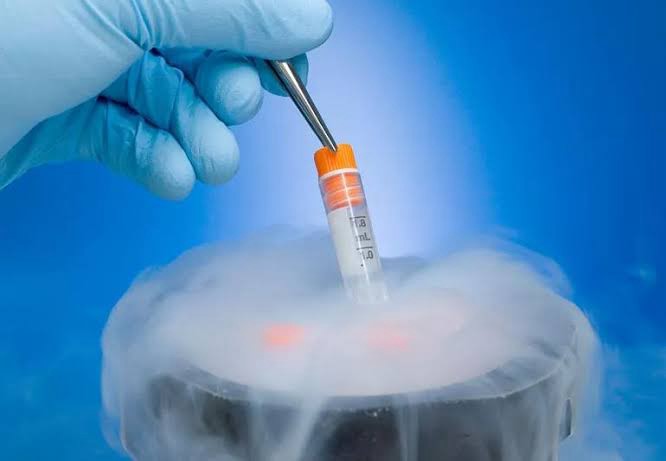
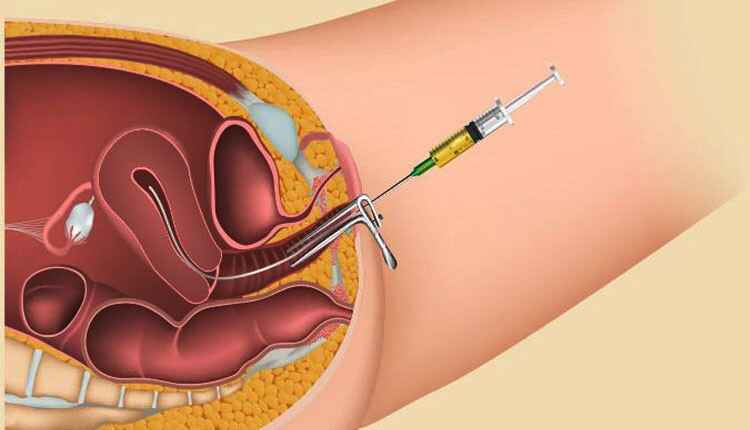
Embryo transfer is usually a relatively quick procedure. A selected embryo is placed inside the uterus using a thin catheter.
The embryo does not simply “fall out” when a patient stands, walks or uses the bathroom. Normal daily movements do not cause the embryo to fall out of the uterus.
After the procedure, your fertility team will provide specific instructions regarding medications and follow-up.
Depending on the stage of the embryo transferred, further development may occur after transfer.
At this stage, most patients will not experience a reliable pregnancy symptom. Mild cramping, pelvic discomfort or spotting can occur, but these symptoms do not confirm whether implantation has happened.
It is important not to interpret every sensation as a sign of pregnancy.
The embryo continues its developmental process while the uterine lining remains under hormonal support.
For patients using progesterone as part of their IVF protocol, continuing the medication exactly as prescribed is important.
Do not stop prescribed fertility medication because of bleeding, cramps or the absence of symptoms unless your fertility specialist instructs you to do so.
For a blastocyst transfer, implantation may occur during this period, although the exact timing varies.
Implantation involves the embryo attaching to and beginning to interact with the uterine lining.
Some people experience mild cramping or spotting around this time, while others experience absolutely nothing.
Having no symptoms does not mean that the IVF cycle has failed.
Likewise, experiencing cramps or spotting does not confirm pregnancy.
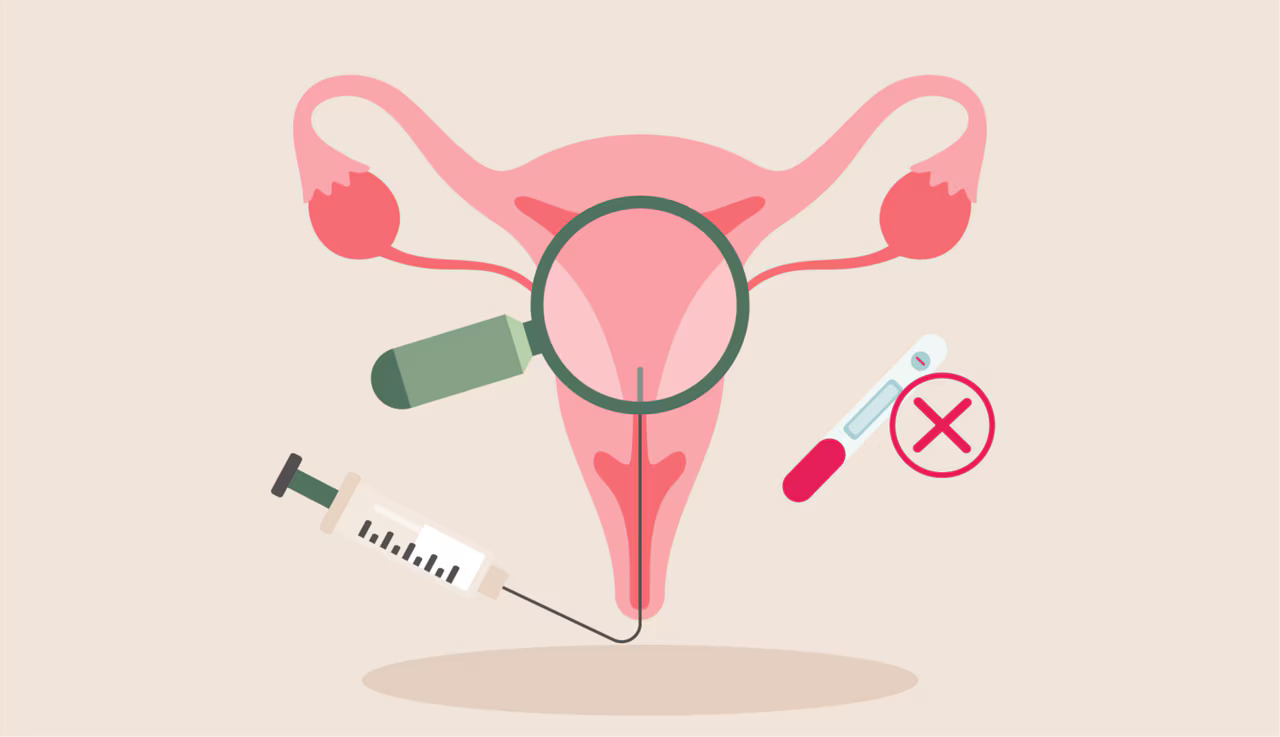
If implantation has occurred, the developing pregnancy begins producing human chorionic gonadotropin (hCG).
hCG is the hormone detected by pregnancy tests.
However, testing too early can produce an inaccurate or negative result because hCG may not yet have reached a detectable level.
This is one reason fertility specialists recommend testing according to the date provided by the clinic.
Around the recommended testing date, a blood test may be used to measure beta-hCG.
A positive result generally indicates that implantation has occurred and pregnancy hormone is being detected. Your fertility team may recommend repeat testing to assess how the pregnancy hormone is changing over time.
A pregnancy test should always be interpreted according to the timing of the embryo transfer and your doctor’s instructions.
Patients may notice:
However, many of these symptoms can also occur because of the medications used during IVF, particularly progesterone.
Therefore, symptoms alone cannot reliably confirm implantation or pregnancy.
In most cases, patients can follow their fertility specialist’s instructions regarding normal activities.
Helpful habits include:
Take prescribed medicines on time
Continue progesterone and other prescribed medications exactly as instructed.
Eat a balanced diet
Choose nutritious meals containing adequate protein, vegetables, fruits, whole grains and healthy fats.
Stay hydrated
Maintain your usual healthy fluid intake unless your doctor has advised otherwise.
Avoid unnecessary medications
Before taking any new medicine, supplement or herbal preparation, check with your fertility team.
Follow your clinic’s activity advice
Strict bed rest is not routinely required after embryo transfer, but your individual doctor may provide specific restrictions depending on your circumstances.
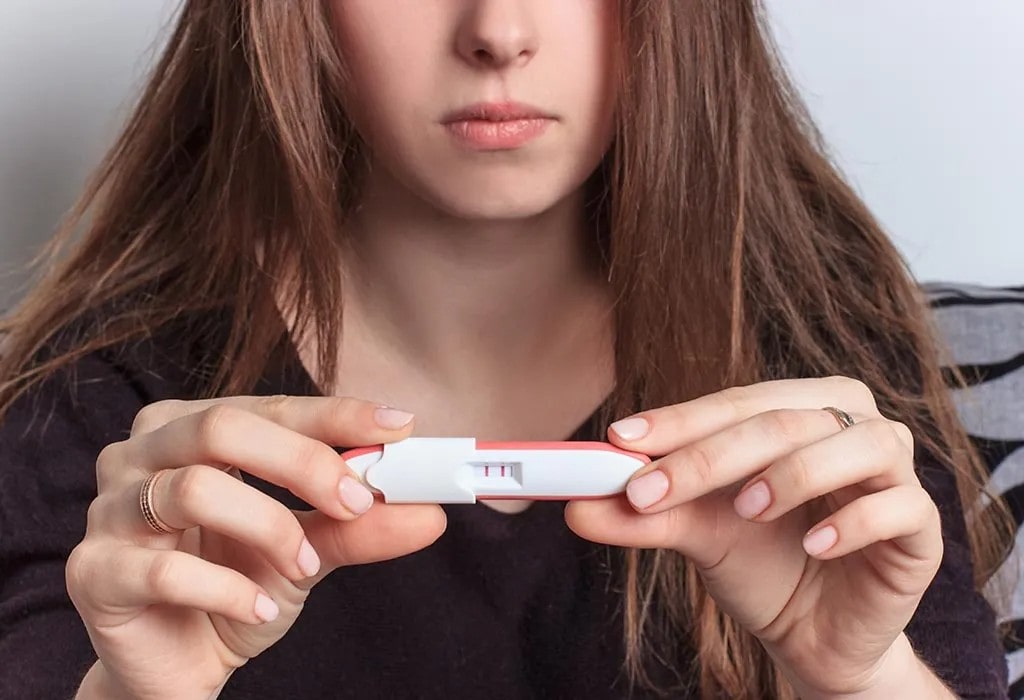
Home pregnancy tests can be tempting during the two-week wait, but testing too early can create unnecessary confusion.
A negative result before the recommended testing date may simply mean that hCG levels are not yet high enough to detect.
If you have received an hCG trigger injection, testing very early can also sometimes cause a false-positive result because the medication itself contains hCG.
For the most reliable interpretation, follow the pregnancy-testing schedule given by your fertility specialist.
Contact your fertility team if you experience symptoms that concern you, particularly:
Your clinic can determine whether further assessment is necessary.
The days after embryo transfer can feel long, especially when you are waiting for the pregnancy test.
But symptoms—or the lack of symptoms—cannot tell you whether implantation has occurred.
Try to follow your prescribed treatment, maintain your usual healthy routine and wait for the appropriate pregnancy test rather than relying on daily symptoms.
Every IVF cycle is individual, and your fertility specialist is the right person to interpret your treatment response and test results.
Can I walk after embryo transfer?
Generally, normal gentle activity is not expected to make an embryo fall out. Follow your clinic’s specific instructions regarding exercise and other activities.
Does cramping mean implantation happened?
Not necessarily. Cramping can occur for several reasons, including the procedure and hormonal medications.
Is spotting after embryo transfer normal?
Light spotting can occur, but it does not confirm or rule out pregnancy. Contact your fertility clinic if bleeding is heavy or concerning.
When should I take a pregnancy test after IVF?
Follow the testing date provided by your fertility clinic. Testing too early can produce misleading results.
What if I have no symptoms after embryo transfer?
The absence of symptoms does not mean that implantation has not occurred. Some pregnancies have no noticeable early symptoms.
Can I stop progesterone if my pregnancy test is negative?
Do not stop prescribed IVF medication without speaking to your fertility specialist.
Embryo transfer is an important step in an IVF journey, but the days that follow can bring many questions. Knowing what may happen during the two-week wait can help patients understand the process without becoming overly focused on symptoms.
The best approach is to follow your fertility team’s instructions, continue prescribed medication and undergo pregnancy testing at the recommended time.
Tamara Hospital & IVF Centre, Bengaluru, provides fertility evaluation and assisted reproductive care with treatment plans tailored to individual patient needs.

MS (OBG), Diploma in Reproductive Medicine (Germany), Diploma in Ultrasonography, Consultant Obstetrics & Gynecology Infertility
Dr. Aishwarya has an experience of over 7 years. She is very passionate about artificial reproductive techniques and she constantly updates herself with the latest techniques.


05/04/2025

16/01/2025

10/08/2023
10/08/2023

10/08/2023
10/08/2023

24/07/2023

04/07/2023

04/07/2023

17/06/2023

18/05/2023

24/04/2023

16/03/2023

21/02/2023
21/05/2022

17/03/2021

05/03/2021

02/03/2021

17/02/2021

22/01/2021
18/01/2021

12/01/2021

04/01/2021
31/12/2020

28/10/2020

06/08/2020
03/07/2020

20/06/2020

12/05/2020

14/03/2020

29/02/2020

06/02/2020

State of the science Equipment and Treatment Experience of 35 plus years in patient service Advanced & cost effective Fertility treatment Boutique Birthing Suites Our doctors are from among the best in Bangalore Ambience which is beautiful and pleasant.
#34-3, 10th Cross, 1st N Block,
Opp. Vardhaka Saradar Patel School,
Rajajinagar, Bangalore – 560 010
Telephone : +91 82962 60095