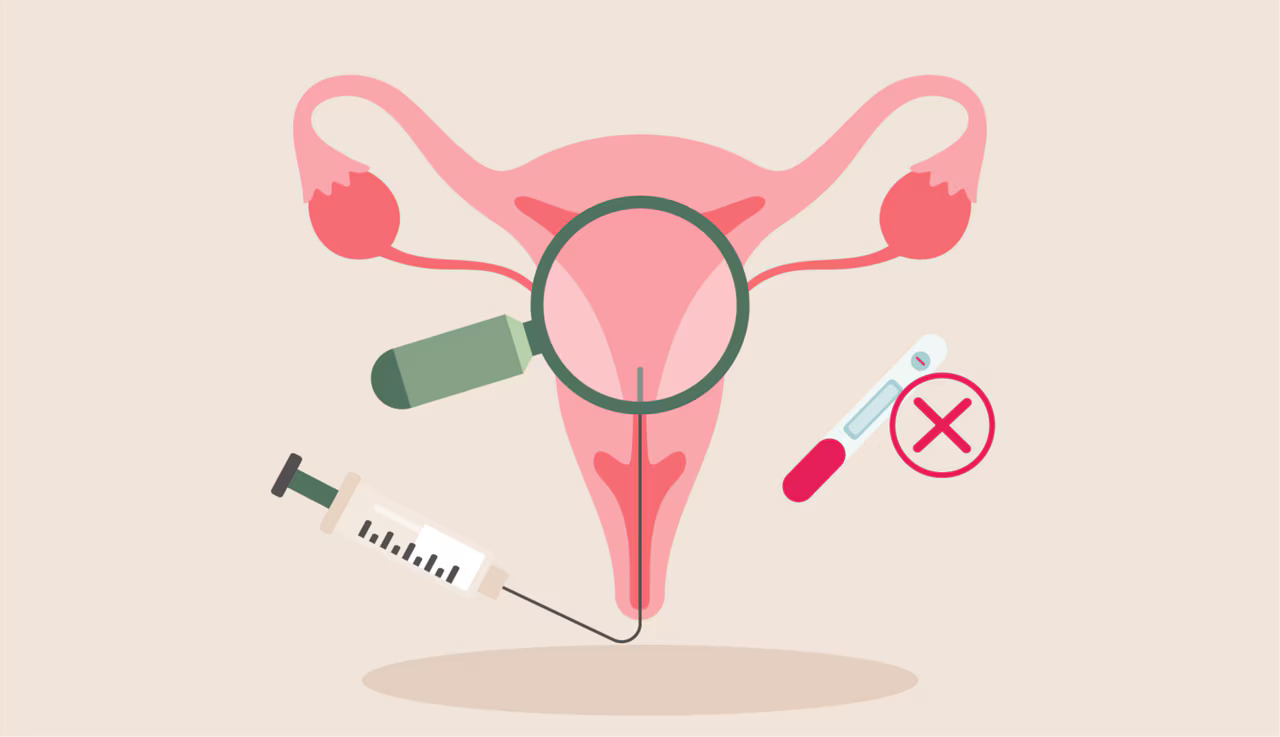
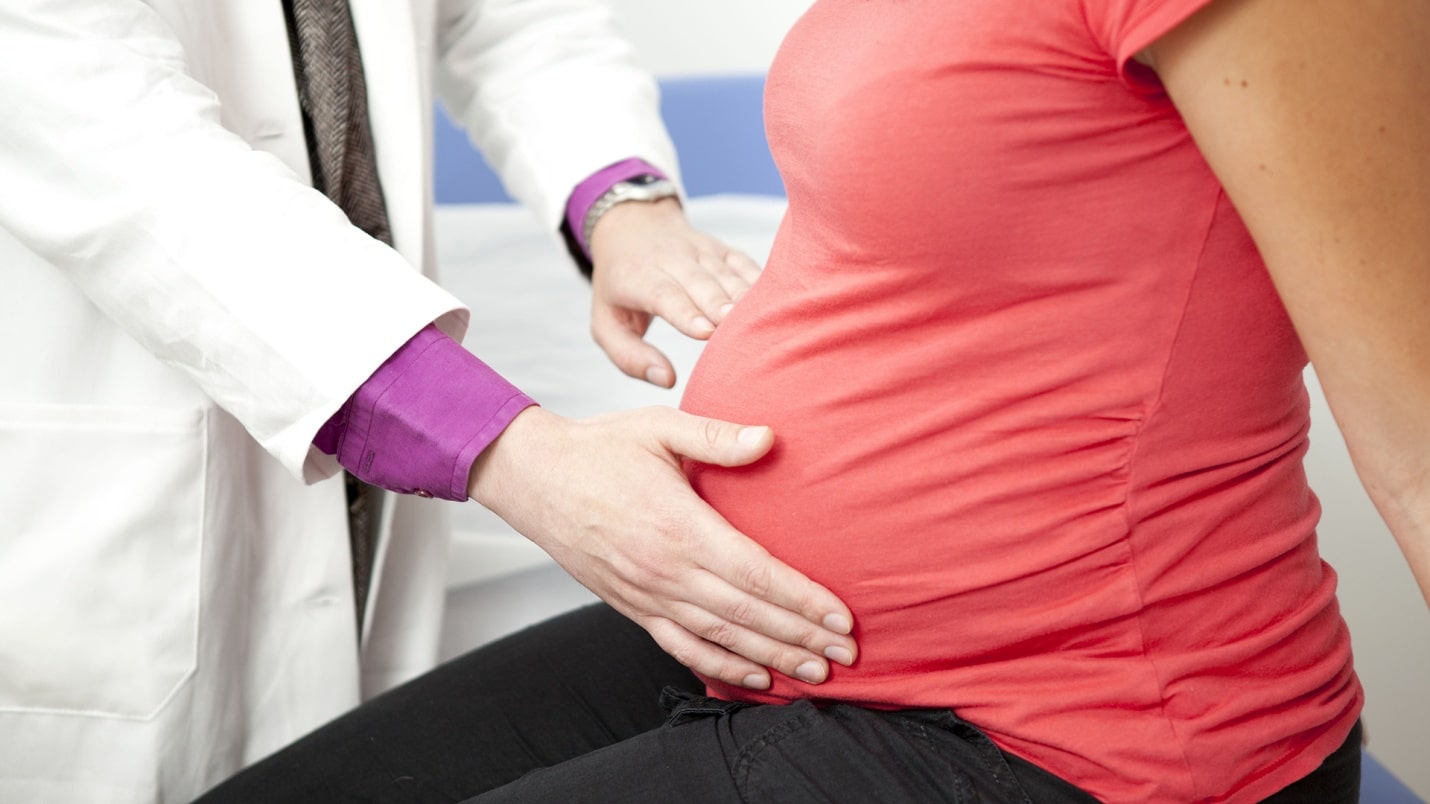
Fertility is a complex and multifaceted issue, and environmental factors can significantly affect reproductive health. From pollution and pesticides to climate change and lifestyle factors, the environment can impact fertility in various ways.

In recent years, there has been an increasing body of research on the link between environmental factors and fertility, and the results are concerning.
Studies have shown that exposure to certain environmental contaminants can disrupt reproductive hormones, impair fertility, and increase the risk of fertility issues.
Environmental factors have a dramatic impact on fertility health worldwide. Various environmental factors impacting fertility health can affect both men and women.
Exposure to pollution Air and water pollution can hurt fertility health, particularly for people living in urban areas. Exposure to toxic chemicals and pollutants can damage the reproductive system and reduce fertility.
Certain pollutants in the air can disrupt hormones, making it difficult for women to conceive. Therefore, it’s important to limit your exposure to these pollutants as much as possible.
Fertility health is also affected by several lifestyle factors. This includes –
By being aware of these environmental factors and taking steps to reduce exposure and minimize their impact, you can help protect your fertility health.
While some studies suggest that specific environmental exposures may increase the risk of infertility, the evidence is often too limited to draw firm conclusions. But environmental factors can significantly impact fertility health.
From exposure to harmful chemicals to the effects of radiation and heavy metals, the modern world presents a range of potential threats to reproductive health.
It’s not always possible to eliminate these risks. It’s essential to be aware of them and take steps to minimize your exposure. This can include –
Also, couples should be aware of their reproductive health and seek medical attention promptly if any irregularities arise.
A fertility specialist, Tamara, the best IVF center in Bangalore, can help you understand the potential causes of your fertility issues and recommend treatment options that may help improve your chances of conceiving.
Taking steps to reduce exposure and remain vigilant of one’s reproductive health is the best way to ensure a healthy reproductive future.
Share this Post


05/04/2025

16/01/2025

10/08/2023
10/08/2023

10/08/2023
10/08/2023

24/07/2023
04/07/2023
04/07/2023
17/06/2023

18/05/2023
24/04/2023

16/03/2023

21/02/2023
21/05/2022

17/03/2021

05/03/2021

02/03/2021

17/02/2021

22/01/2021
18/01/2021

12/01/2021

04/01/2021
31/12/2020

28/10/2020

06/08/2020
03/07/2020

20/06/2020

12/05/2020

14/03/2020

29/02/2020

06/02/2020

State of the science Equipment and Treatment Experience of 35 plus years in patient service Advanced & cost effective Fertility treatment Boutique Birthing Suites Our doctors are from among the best in Bangalore Ambience which is beautiful and pleasant.
#34-3, 10th Cross, 1st N Block,
Opp. Vardhaka Saradar Patel School,
Rajajinagar, Bangalore – 560 010
Telephone : +91 82962 60095