Welcome to Tamara Hospital and IVF Center's blog, where we aim to empower individuals with knowledge about fertility and reproductive health. In this comprehensive guide, we delve into the top 10 things you need to know about the Anti-Müllerian Hormone (AMH) test, a crucial tool in assessing female fertility.
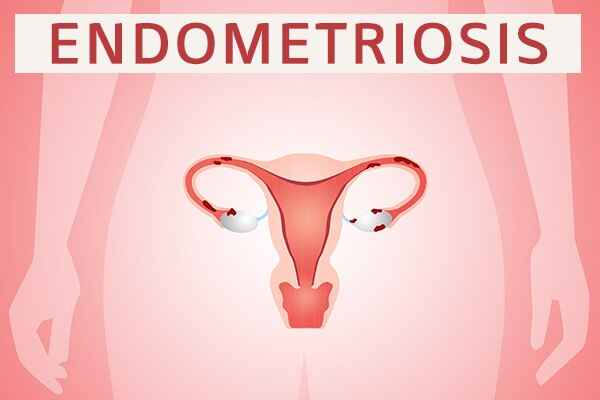
The AMH test measures the level of Anti-Müllerian Hormone in a woman's blood. This hormone is produced by the small follicles in the ovaries and is a reliable indicator of a woman's ovarian reserve. Ovarian reserve refers to the number and quality of eggs remaining in the ovaries, which is vital information for fertility specialists when evaluating a woman's reproductive potential.
One of the key benefits of the AMH test is its ability to predict ovarian reserve accurately. Unlike other fertility tests, such as FSH (follicle-stimulating hormone), which fluctuates throughout the menstrual cycle, AMH levels remain relatively stable, providing a more consistent assessment of ovarian reserve.
While age remains a crucial factor in fertility, the AMH test offers a more personalized assessment. Even women of the same age may have different ovarian reserves, and the AMH test provides valuable information about the quantity of eggs remaining, allowing for a more accurate prediction of fertility potential.
For individuals seeking fertility treatments, such as in vitro fertilization (IVF), the AMH test is an essential tool for developing personalized treatment plans. Understanding ovarian reserve helps fertility specialists determine the optimal stimulation protocols, medication dosages, and expected response to fertility treatments.
Women with Polycystic Ovary Syndrome (PCOS) often have elevated AMH levels. PCOS is a common hormonal disorder that can impact fertility, and the AMH test assists in identifying this condition. Managing PCOS-related infertility may require specific approaches, and the AMH test aids in tailoring treatment strategies accordingly.
Low AMH levels can indicate a diminished ovarian reserve, which may pose challenges for natural conception. However, it's important to note that a low AMH level does not necessarily mean infertility. Fertility specialists can work with individuals with low AMH levels to explore alternative options and increase the chances of successful conception.
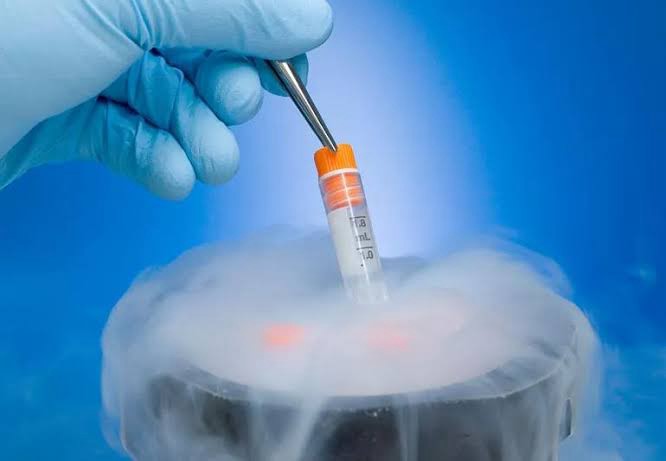
For women considering egg freezing as a proactive fertility preservation measure, the AMH test is invaluable. It helps determine the optimal timing for egg retrieval, ensuring the highest possible number of quality eggs are collected for cryopreservation.
Interpreting AMH test results requires the expertise of a fertility specialist. Factors such as age, medical history, and individual circumstances play a crucial role in the overall assessment. Consulting with a fertility expert ensures a comprehensive understanding of the results and the development of a personalized fertility plan.
While age and genetics significantly influence ovarian reserve, certain lifestyle factors can impact AMH levels. Smoking, excessive alcohol consumption, and obesity may contribute to a decline in ovarian reserve. Addressing these lifestyle factors can positively influence fertility outcomes.
Fertility journeys can be emotionally challenging, and the AMH test is just one part of the process. Tamara Hospital and IVF Center recognizes the importance of emotional support throughout the fertility treatment process. Our compassionate team is committed to providing guidance, counseling, and support to individuals and couples navigating the path to parenthood.
The AMH test is a valuable tool in assessing female fertility, providing crucial information about ovarian reserve, and guiding fertility treatment decisions. At Tamara Hospital and IVF Center, we prioritize a holistic approach to fertility care, combining medical expertise with emotional support. If you have questions about the AMH test or any aspect of fertility, our dedicated team is here to assist you on your journey toward building a family.
Share this Post


05/04/2025

16/01/2025

10/08/2023
10/08/2023

10/08/2023
10/08/2023

24/07/2023

04/07/2023
04/07/2023

17/06/2023

18/05/2023

24/04/2023

16/03/2023

21/02/2023

21/05/2022

17/03/2021

05/03/2021

02/03/2021

17/02/2021

22/01/2021
18/01/2021

12/01/2021

04/01/2021

31/12/2020

28/10/2020

06/08/2020
03/07/2020

20/06/2020

12/05/2020

14/03/2020

29/02/2020

06/02/2020

State of the science Equipment and Treatment Experience of 35 plus years in patient service Advanced & cost effective Fertility treatment Boutique Birthing Suites Our doctors are from among the best in Bangalore Ambience which is beautiful and pleasant.
#34-3, 10th Cross, 1st N Block,
Opp. Vardhaka Saradar Patel School,
Rajajinagar, Bangalore – 560 010
Telephone : +91 82962 60095