If you have been pregnant before, you know the immense joy and sometimes struggle being a parent can be. The first smile, the first tantrum, the giggling, the screaming – parenting is an adventure and nothing quite like it.

But you love it. And so, you decide to try for another baby.
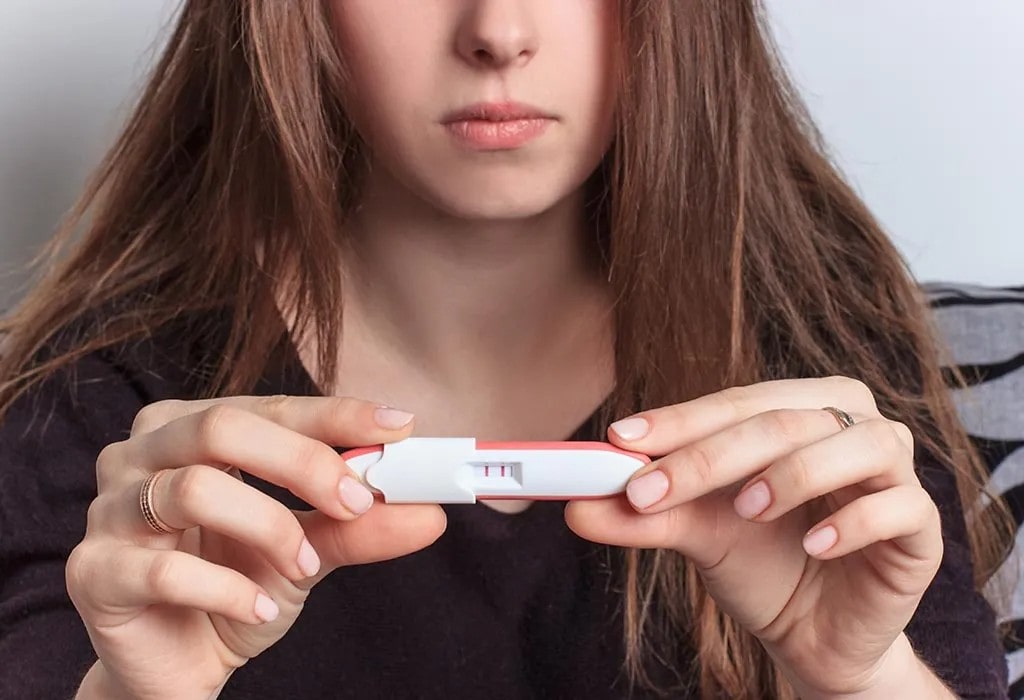
But the months pass, and every pregnancy test you take returns negative. What's going on? You didn't struggle to conceive naturally the first time.
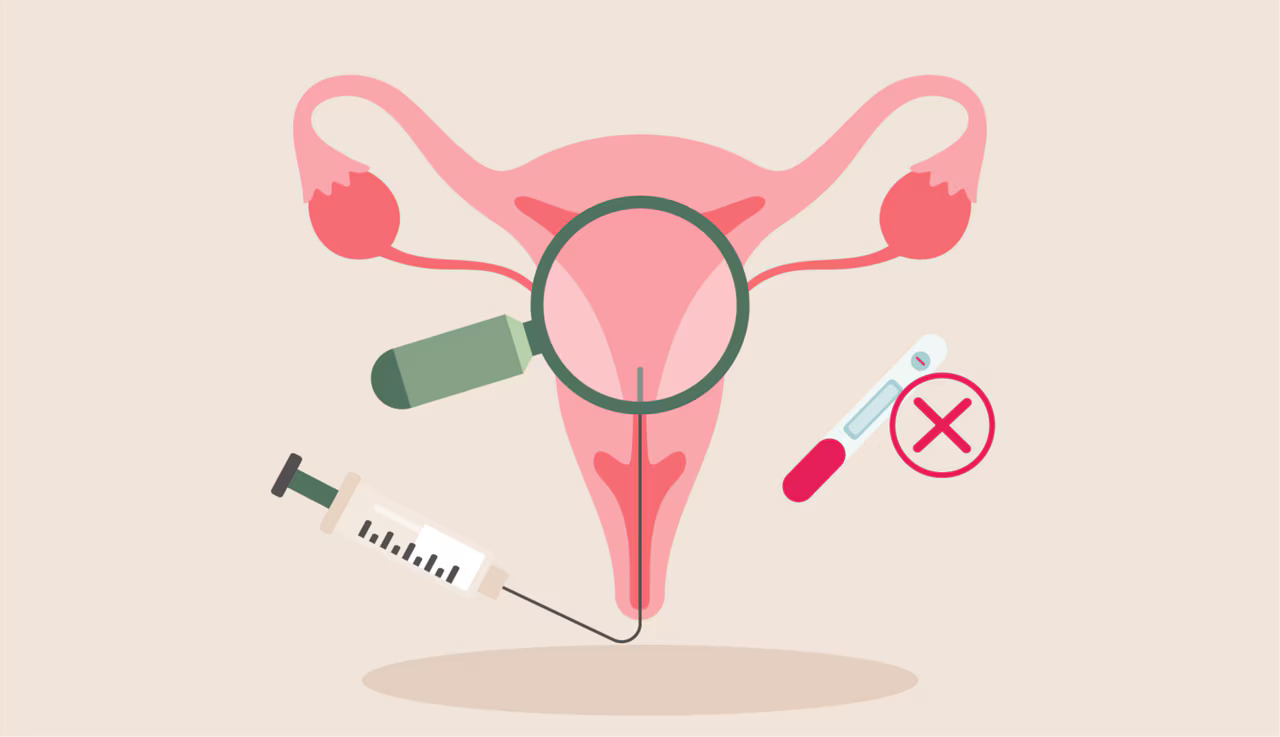
If you struggle to conceive the second time, you may have secondary infertility. Although it may be confusing and frustrating, secondary infertility is surprisingly common. Approximately 11% of couples experience secondary infertility.
There are numerous reasons why couples may be struggling to conceive again. It could be an underlying problem that has worsened over time, or perhaps you had an infection or operation since your last child that has affected your fertility. At Tamara, we will do everything possible to discover the problem and help you conceive again.
Some of the most common causes of secondary infertility include:
If you are struggling with any of the above, or your partner could be, it is worth making an appointment with your doctor sooner rather than later.
Your doctor is unlikely to offer you tests or treatment for secondary infertility unless you have been trying to conceive through regular, unprotected intercourse for at least a year. However, there are some circumstances when it is best to see your doctor soon rather than later:
Infertility affects men and women equally, with 40% of cases having an issue with the man and the woman. Male secondary infertility affects men as commonly as female secondary infertility.
So, you must see your doctor as a couple.
During your appointment, your doctor will ask you and your partner some questions to check whether there are any obvious reasons you aren't conceiving naturally. These questions could include any number of the following:
Your doctor may also carry out a physical health check. This can include checking the pelvic area for any signs of infection. For men, this may mean assessing the penis and testicles for any abnormalities. Depending on these results, your doctor may offer further tests or refer you to a fertility specialist.
If you're seeing your doctor because you are concerned about your fertility, it's natural to feel a bit nervous about having tests or answering awkward questions. But it's important to remember that your doctor is there to help, not to judge.
Unfortunately, there are some unexplained cases of infertility where a cause cannot be found. An unexplained diagnosis can be confusing and upsetting for many couples as they don't know their next steps. However, the good news is that most couples struggling with unexplained infertility do eventually conceive, either naturally or with the help of assisted reproductive technologies.
If you struggle to conceive naturally, you may need fertility treatments to have another baby. Depending on your situation and medical requirements, treatments will vary. Below is a list of the secondary fertility treatment options available to anyone struggling to conceive naturally:
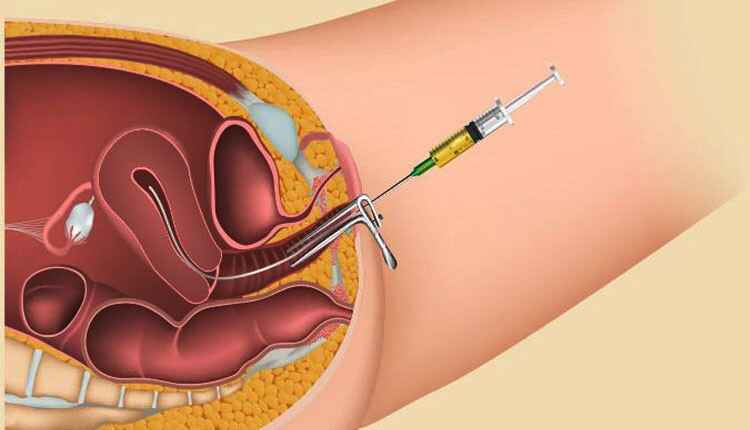
Artificial insemination: This treatment consists of depositing a semen sample inside the woman's womb to help improve the chances of egg fertilization.
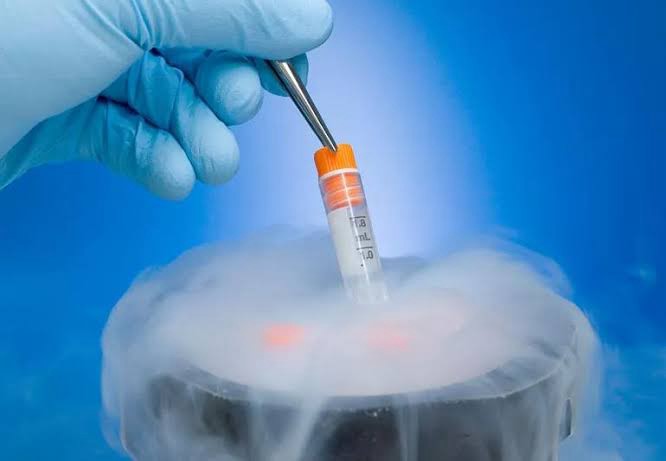
In vitro fertilization (IVF): This reproduction treatment consists of fertilizing the eggs with the sperm in the laboratory and then transferring these healthy fertilized embryos into the woman's womb. The fertilization of the egg can be carried out this way or by Intracytoplasmic Sperm Injection (ICSI), where the sperm is injected directly into the egg.
Sperm donation: This treatment is considered by couples struggling with male infertility and the quality of sperm production.
Egg donation: This treatment is for female infertility patients who cannot conceive using their own eggs. This is an option for older women, women with ovarian failure, and women who have had repeated miscarriages or failed to become pregnant through IVF.
At Tamara, we will work closely to ensure you receive the fertility treatment you need. As infertility experts, we know the heartbreak secondary infertility can cause. We are dedicated to supporting you and your partner throughout your infertility journey.
Share this Post


05/04/2025

16/01/2025

10/08/2023
10/08/2023

10/08/2023
10/08/2023

24/07/2023

04/07/2023
04/07/2023

17/06/2023
18/05/2023

24/04/2023

16/03/2023

21/02/2023
21/05/2022

17/03/2021

05/03/2021

02/03/2021

17/02/2021

22/01/2021
18/01/2021

12/01/2021

04/01/2021

31/12/2020

28/10/2020

06/08/2020

03/07/2020

20/06/2020

12/05/2020

14/03/2020

29/02/2020

06/02/2020

State of the science Equipment and Treatment Experience of 35 plus years in patient service Advanced & cost effective Fertility treatment Boutique Birthing Suites Our doctors are from among the best in Bangalore Ambience which is beautiful and pleasant.
#34-3, 10th Cross, 1st N Block,
Opp. Vardhaka Saradar Patel School,
Rajajinagar, Bangalore – 560 010
Telephone : +91 82962 60095