Miscarriages, also known as sudden abortion, are the fetus's death inside the womb within 20 weeks of pregnancy. Miscarriages occur mainly during the first trimester, some in the 2nd trimester, and the reasons are different for the first and second trimester of pregnancy.

Miscarriage and pregnancy

1st-trimester miscarriage:

Chromosomal problems:


The developing fetus receives a set of chromosomes from the mother and another from the father.

  1. Miscarriages can occur when the fetus has chromosomal defects. This will be the most typical cause in the 1st trimester. There are 46 XX or 46 XY chromosomes. There can be structural defects or addition or deletion leading to numerical defects.
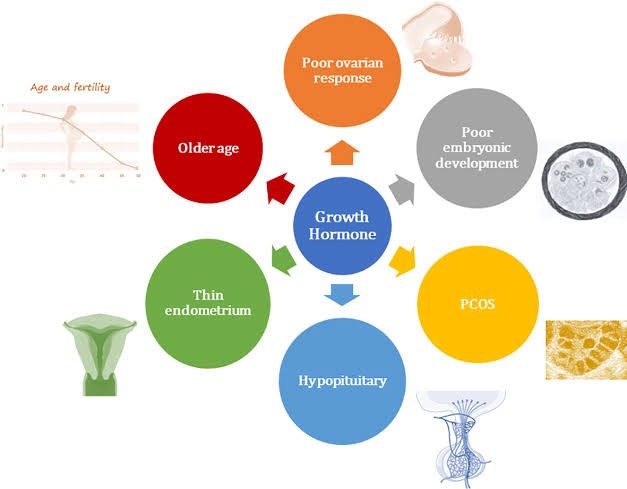
  2. Progesterone deficiency in cases like PCOS.
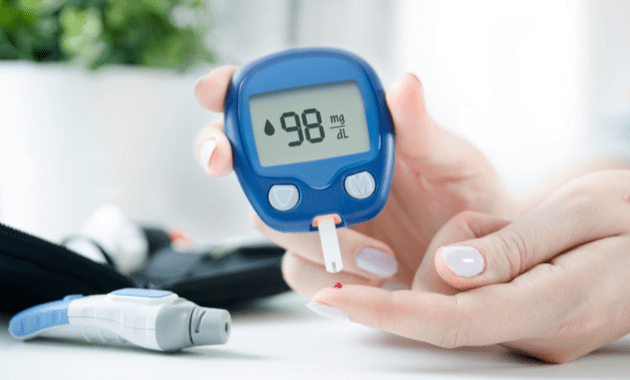
  3. Other causes may include medical problems like Diabetes or the mother's thyroid problems.
  4. Mainly first trimester miscarriages are caused due to the abnormal developing fetus. Single gene disorders and chromosome issues can interfere with the development of the fetus.
  5. A damaged egg or sperm can also lead to failure in the development of the fetus.
  6. Blood coagulation disorders like APLA syndrome and thrombophilia’s.

Some Examples of these chromosomal abnormalities leading to miscarriages are as follows-

  • Blighted ovum: No embryo forms at all.
  • Molar pregnancy: a condition in which the fetus will have both sets of chromosomes from the father leading to no development.
  • Partial molar pregnancy: The father provides two sets of chromosomes and the mother's chromosomes.

2nd Trimester miscarriage:

  1. A weakness of the cervix or mouth of the uterus usually referred to as the short cervix or cervical insufficiency, is the most crucial cause. Liability can be due to repeated D and C, any procedure requiring dilatation of the cervix, or any cervical biopsy.
  2. Uterine infections called TORCH, sexually transmitted diseases, and vaginal and cervical infections, which may be asymptomatic, can cause miscarriage in the 5th or 6th month.
  3. Placental infections due to the above reasons can also cause miscarriage.
  4. Blood coagulation disorders, autoimmune diseases like rheumatoid arthritis, autoimmune thyroiditis, SLE
  5. Uncontrolled Diabetes causes leakage of fluid.

There are certain risk factors leading to miscarriages, including smoking, consumption of alcohol, excessive intake of caffeine, and being overweight or underweight. Following a healthy diet and regular exercise is the best when trying to conceive.

Types of miscarriages

  1. Early pregnancy loss: Miscarriage can occur even before a woman misses her periods or shows early pregnancy symptoms. It may just go as a heavy period.
  2. Biochemical pregnancy: The pregnancy test becomes positive, and the beta hCG hormone levels drop.
  3. Clinical pregnancy: The gestational sac is seen on ultrasound, and bleeding happens.
  4. Missed miscarriage: Pregnancy is confirmed on ultrasound, and then the heartbeat stops with no signs of bleeding.

Symptoms and signs

Symptoms of miscarriage may vary in women. In some cases, miscarriage happens so quickly that you may not even know you're pregnant before you miscarry. Symptoms are recognized when you miscarry late during the first or 2nd trimester of pregnancy.

These symptoms are as follows:

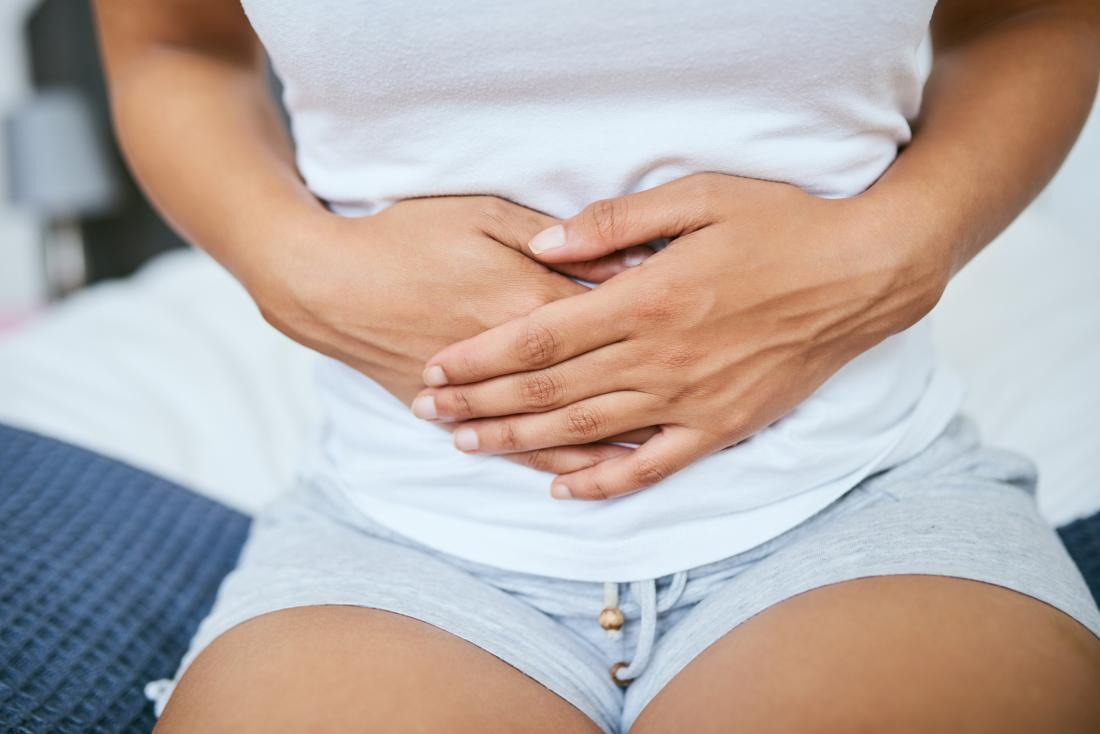
  • Cramps and severe pain in the abdomen
  • Pain in the back and lower back
  • Unexplained weakness
  • Heavy vaginal bleeding
  • Tissue discharge with clots

If you expect and observe or suffer from any of the earlier symptoms, you should consult your gynecologist immediately.
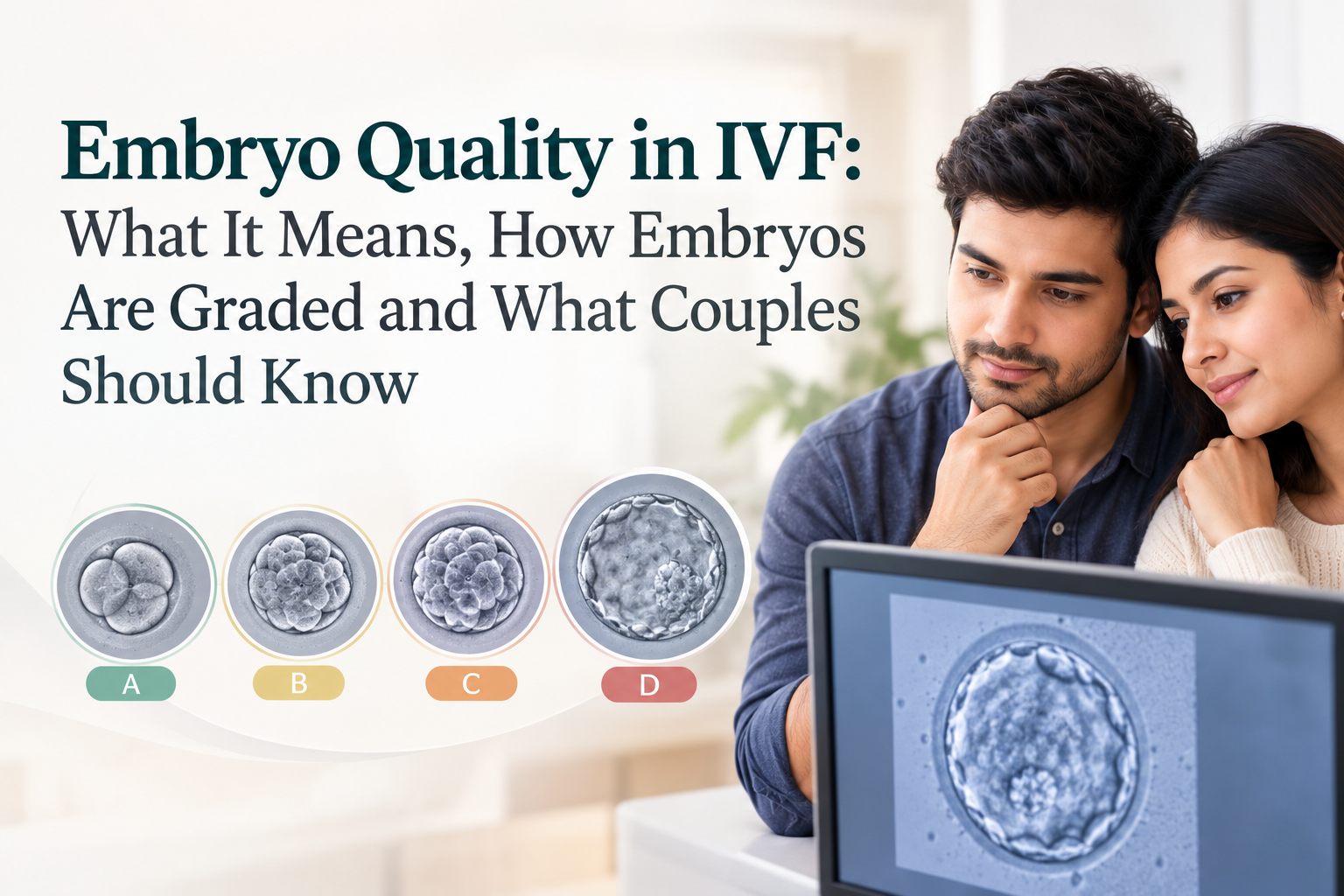

How to prevent miscarriage?

  1. Consuming a healthy diet, following a proper sleep pattern, regular exercise or walking, and taking good care during pregnancy is essential for preventing miscarriages.
  2. Good progesterone hormone support is necessary.
  3. Low-dose aspirin and heparin for blood coagulation and autoimmune disorders.
  4. Genetic tests and chromosomal testing of the couple and selecting good embryos after IVF treatment.
  5. For severe genetic diseases in couples or families, opt for donor gamete in IVF.

Leave a reply


Tamara Hospital & IVF Centre
whatsapp