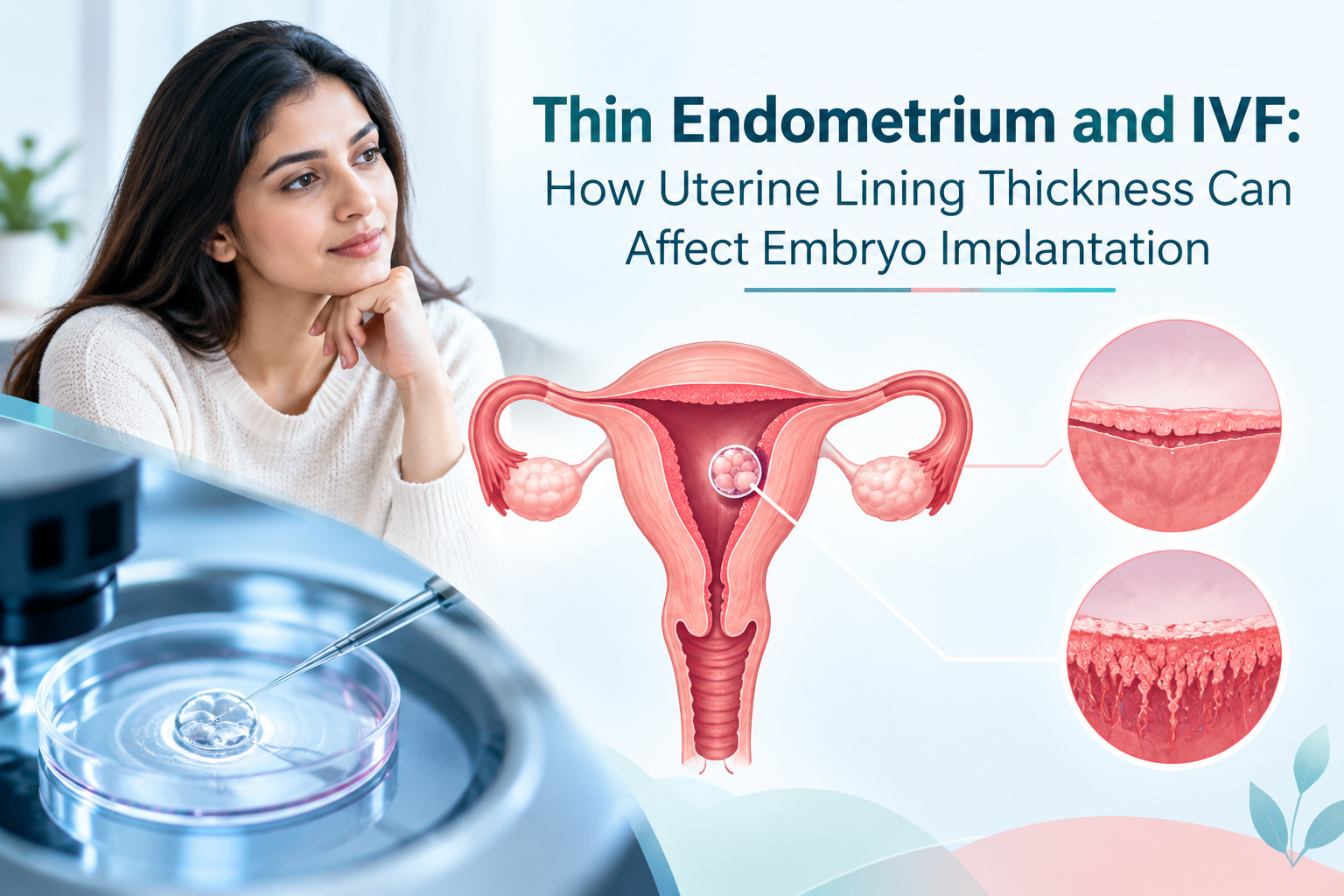
When preparing for IVF, much of the focus is placed on egg quality, sperm health and embryo development. However, there is another important part of the process that deserves attention—the endometrium, or the lining of the uterus.
The embryo needs to implant into the uterine lining after embryo transfer. Therefore, the condition and development of the endometrium are carefully evaluated during fertility treatment.
A thin endometrium may sometimes be associated with lower implantation potential, but endometrial thickness is only one factor that fertility specialists consider when assessing an IVF cycle.
The endometrium is the inner lining of the uterus. Every month, hormonal changes prepare this lining to support a possible pregnancy.
During the menstrual cycle, estrogen stimulates the endometrium to grow and develop. After ovulation, progesterone helps prepare it for implantation.
If pregnancy does not occur, hormone levels fall and the lining is shed during menstruation.
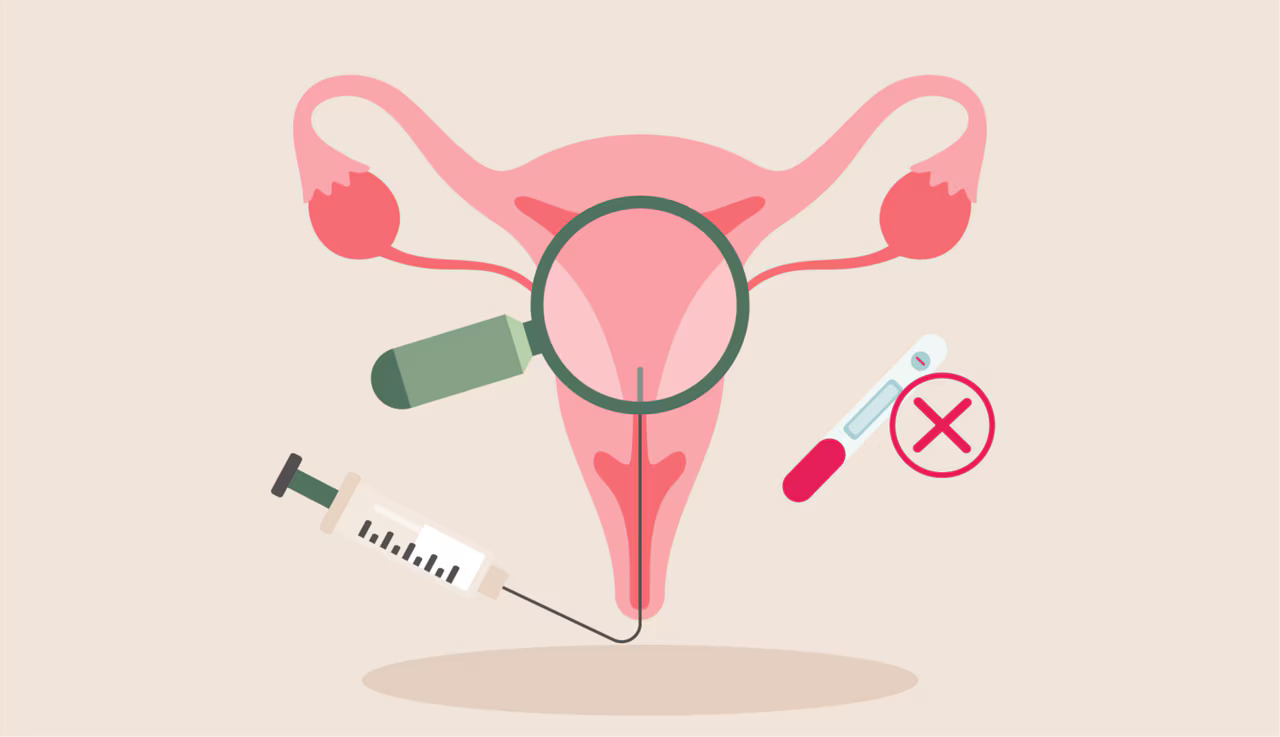
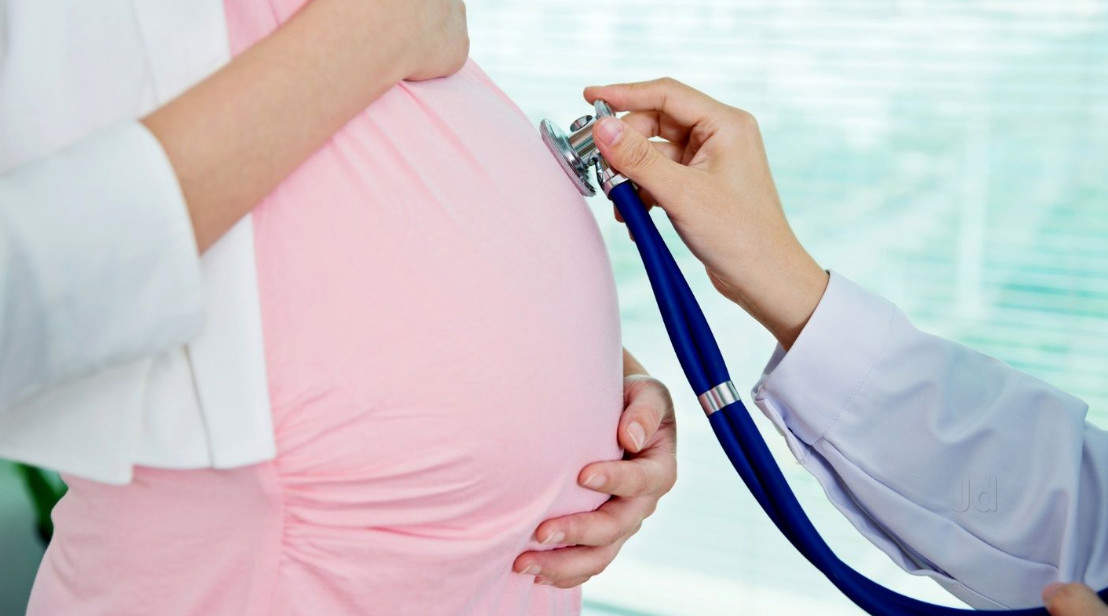
For an IVF cycle, doctors monitor the endometrium using ultrasound to assess its development before embryo transfer.
A thin endometrium generally refers to a uterine lining that measures thinner than expected during the period when embryo transfer is being considered.
There is no single universally accepted thickness that guarantees or rules out pregnancy. Fertility specialists consider the measurement together with the patient’s age, medical history, embryo characteristics, hormonal environment and other clinical factors.
A thin lining can sometimes make fertility treatment more challenging, but it does not automatically mean that pregnancy is impossible.
Several factors may contribute to inadequate endometrial development, including:
1. Previous Uterine Procedures
Certain procedures involving the uterus may occasionally affect the endometrium or its blood supply.
2. Intrauterine Adhesions
Scar tissue inside the uterus, sometimes called Asherman’s syndrome, can interfere with normal development of the uterine lining.
3. Hormonal Factors
Adequate estrogen stimulation is important for endometrial growth. Hormonal problems may affect the development of the lining.
4. Reduced Blood Flow
Adequate blood supply is important for healthy endometrial development. Certain uterine or vascular factors may influence blood flow.
5. Previous Infections or Inflammation
Some uterine infections or inflammatory conditions can affect the endometrium.
6. Individual Biological Differences
Sometimes, a thin lining is observed even when no obvious underlying cause can be identified.
Not necessarily.
This is an important distinction for couples undergoing fertility treatment.
Endometrial thickness is only one component of implantation. Pregnancy after embryo transfer also depends on factors such as:
Therefore, a thin endometrium should be evaluated in the context of the entire fertility picture, rather than being considered an isolated predictor of IVF outcome.
During an IVF cycle, the fertility team may use transvaginal ultrasound to monitor the uterus and measure endometrial thickness.
Doctors may also assess:
If there are concerns about the uterine cavity, additional investigations may be recommended based on the individual case.
Treatment depends on the underlying cause.
A fertility specialist may first determine whether there is an identifiable structural, hormonal or medical reason for the thin lining.
Depending on the diagnosis, management may involve:
There is no single treatment that works for every patient, which is why individualized assessment is important.
Couples undergoing IVF often come across recommendations involving supplements, special diets, exercise routines or other methods claimed to increase endometrial thickness.
However, these approaches should not be assumed to work simply because they are widely discussed online.
Before taking supplements or medications during fertility treatment, patients should discuss them with their fertility specialist. Some products may interact with medications or may not be appropriate for a particular medical condition.
In some patients, the endometrium may respond to changes in the treatment protocol or management of an underlying condition.
The fertility specialist may monitor the lining over time and decide whether to proceed with transfer, modify the cycle or investigate further.
The decision should be based on the patient’s complete clinical picture rather than one ultrasound measurement alone.
Consider seeking professional evaluation if you have:
Early evaluation can help identify whether there is an underlying issue that requires attention.
1. Is a thin endometrium the same as infertility?
No. A thin endometrium is one potential factor that may affect implantation, but it does not by itself diagnose infertility.
2. Can pregnancy occur with a thin endometrium?
Yes. Endometrial thickness alone does not determine whether pregnancy can occur.
3. How is endometrial thickness measured?
It is commonly assessed through transvaginal ultrasound during fertility treatment.
4. Can medicines improve endometrial thickness?
Depending on the underlying cause, doctors may modify hormonal treatment or address other medical factors. Treatment must be individualized.
5. Does endometrial thickness guarantee IVF success?
No. IVF outcome depends on multiple factors, including embryo characteristics, age, uterine factors and the overall reproductive health of the patient.
6. Should I take supplements to improve my uterine lining?
Do not start supplements specifically for this purpose without discussing them with your fertility specialist.
The uterus plays an important role in embryo implantation, making endometrial assessment an important part of many IVF cycles. A thin endometrium can sometimes present an additional challenge, but it does not automatically mean that IVF cannot succeed.
The most appropriate approach is to identify possible causes, evaluate the uterus carefully and develop a treatment plan according to the individual’s fertility history and clinical needs.
At Tamara Hospital & IVF Centre, Bengaluru, fertility treatment is approached with individualized evaluation and specialist guidance. The centre provides fertility services including IVF, IUI and fertility-enhancing procedures.

MS (OBG), Diploma in Reproductive Medicine (Germany), Diploma in Ultrasonography, Consultant Obstetrics & Gynecology Infertility
Dr. Aishwarya has an experience of over 7 years. She is very passionate about artificial reproductive techniques and she constantly updates herself with the latest techniques.


05/04/2025

16/01/2025

10/08/2023
10/08/2023

10/08/2023
10/08/2023

24/07/2023
04/07/2023
04/07/2023
17/06/2023

18/05/2023

24/04/2023

16/03/2023
21/02/2023
21/05/2022

17/03/2021

05/03/2021

02/03/2021

17/02/2021

22/01/2021
18/01/2021
12/01/2021

04/01/2021
31/12/2020

28/10/2020

06/08/2020
03/07/2020

20/06/2020
12/05/2020

14/03/2020

29/02/2020

06/02/2020

State of the science Equipment and Treatment Experience of 35 plus years in patient service Advanced & cost effective Fertility treatment Boutique Birthing Suites Our doctors are from among the best in Bangalore Ambience which is beautiful and pleasant.
#34-3, 10th Cross, 1st N Block,
Opp. Vardhaka Saradar Patel School,
Rajajinagar, Bangalore – 560 010
Telephone : +91 82962 60095