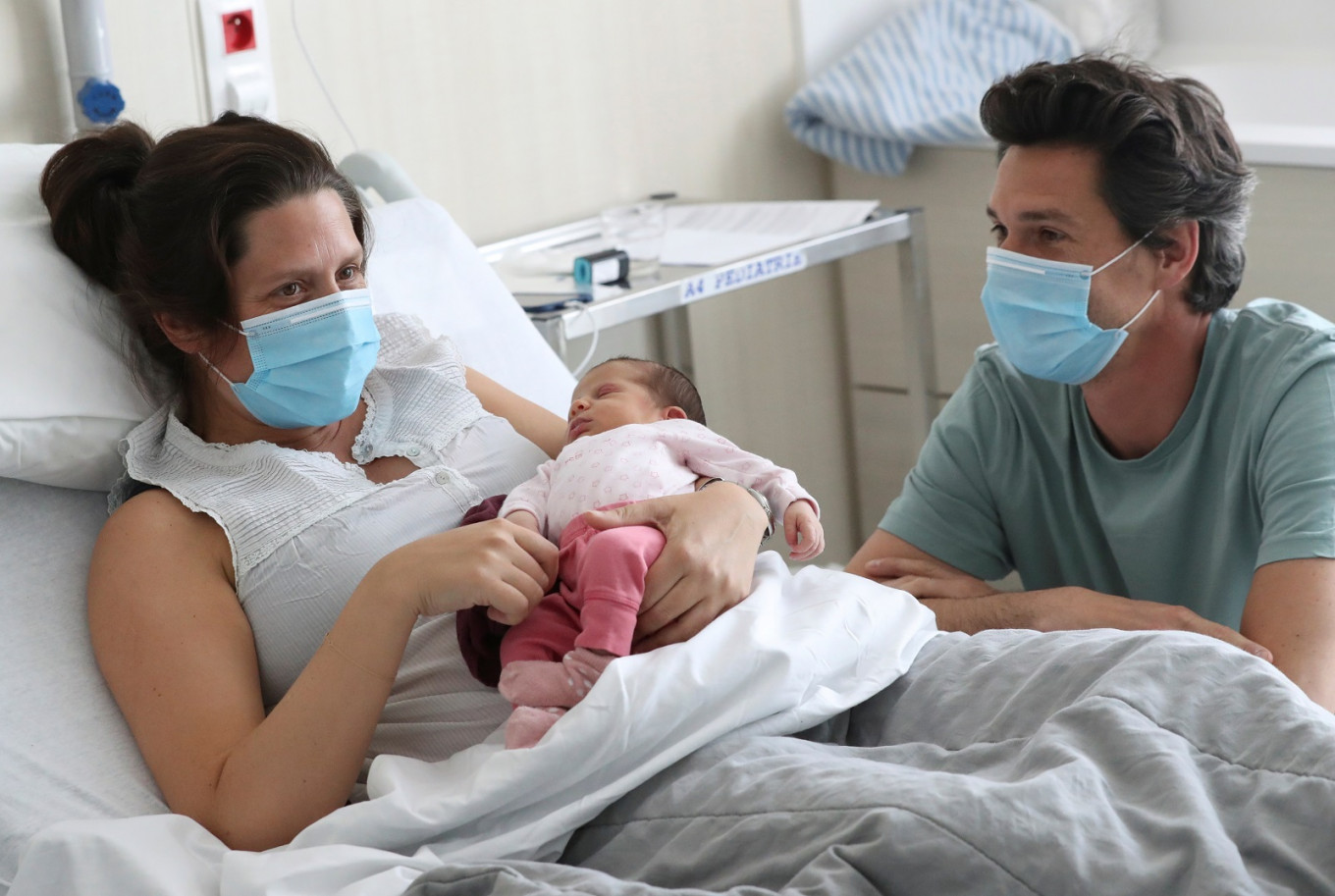
You won't hear those kinds of comments from other couples who are going through fertility treatments. To get the peace of mind and support you need, consider speaking with another couple who struggled to get pregnant and asking them some questions.
One thing is certain about fertility issues: So much uncertainty surrounds the causes.
“One-fourth of couples have idiopathic infertility, where it’s not a clear-cut male issue or a clear-cut female issue”.
But even when the underlying cause can be identified, the process of going through fertility treatments can be its own emotional rollercoaster.
“There are a ton of emotions. Sometimes in the course of a clinic visit, we’ll see emotions ranging from anger, to depression, to fear, to guilt, to a sense of failure”.
Talking to other couples about how they deal with these intense feelings can help you and your partner figure out coping strategies of your own.
“I think the biggest sources of support for a lot of our patients are their spouses or partners”.
However, he adds that, “We need to recognize that infertility is like any other medical condition. It has physical manifestations that affect people and also tremendous emotional manifestations. We need to be more comfortable with this as a society.”
But telling family and friends about fertility struggles can be a challenge. Talking to another couple in a similar situation can help you figure out:
These are all important issues to consider before discussing fertility issues with people who may not understand what you’re going through, says the National Infertility Association.
The American Pregnancy Association explains that women undergoing follicle stimulating hormone injections in preparation for in vitro fertilization may experience a number of physical side effects, including:
You should always talk to your doctor about any side effects you may experience from fertility medications or procedures.
It can also help to talk to someone undergoing similar treatments. She may have creative suggestions for coping with these symptoms—such as taking a warm bath or practicing meditation.
The answer to this question will vary widely from couple to couple. Age plays a role, as does a couple’s financial situation.
Other options for starting a family may include surrogacy, donor eggs or sperm, or adoption. Which one is right for you as a couple depends a lot on your specific circumstances.
“Everyone has a different timeline with regard to their future family planning”.
But hearing from other people who are going through a similar situation can help you and your partner come up with an “enough is enough” point that is right for you.

MS (OBG), Diploma in Reproductive Medicine (Germany), Diploma in Ultrasonography, Consultant Obstetrics & Gynecology Infertility
Dr. Aishwarya has an experience of over 7 years. She is very passionate about artificial reproductive techniques and she constantly updates herself with the latest techniques.


05/04/2025

16/01/2025

10/08/2023
10/08/2023

10/08/2023
10/08/2023

24/07/2023

04/07/2023
04/07/2023

17/06/2023

18/05/2023

24/04/2023

16/03/2023

21/02/2023

21/05/2022

17/03/2021

05/03/2021

02/03/2021

17/02/2021

22/01/2021
18/01/2021

12/01/2021

04/01/2021

31/12/2020

28/10/2020

06/08/2020

03/07/2020

20/06/2020

12/05/2020

14/03/2020

29/02/2020

06/02/2020

State of the science Equipment and Treatment Experience of 35 plus years in patient service Advanced & cost effective Fertility treatment Boutique Birthing Suites Our doctors are from among the best in Bangalore Ambience which is beautiful and pleasant.
#34-3, 10th Cross, 1st N Block,
Opp. Vardhaka Saradar Patel School,
Rajajinagar, Bangalore – 560 010
Telephone : +91 82962 60095