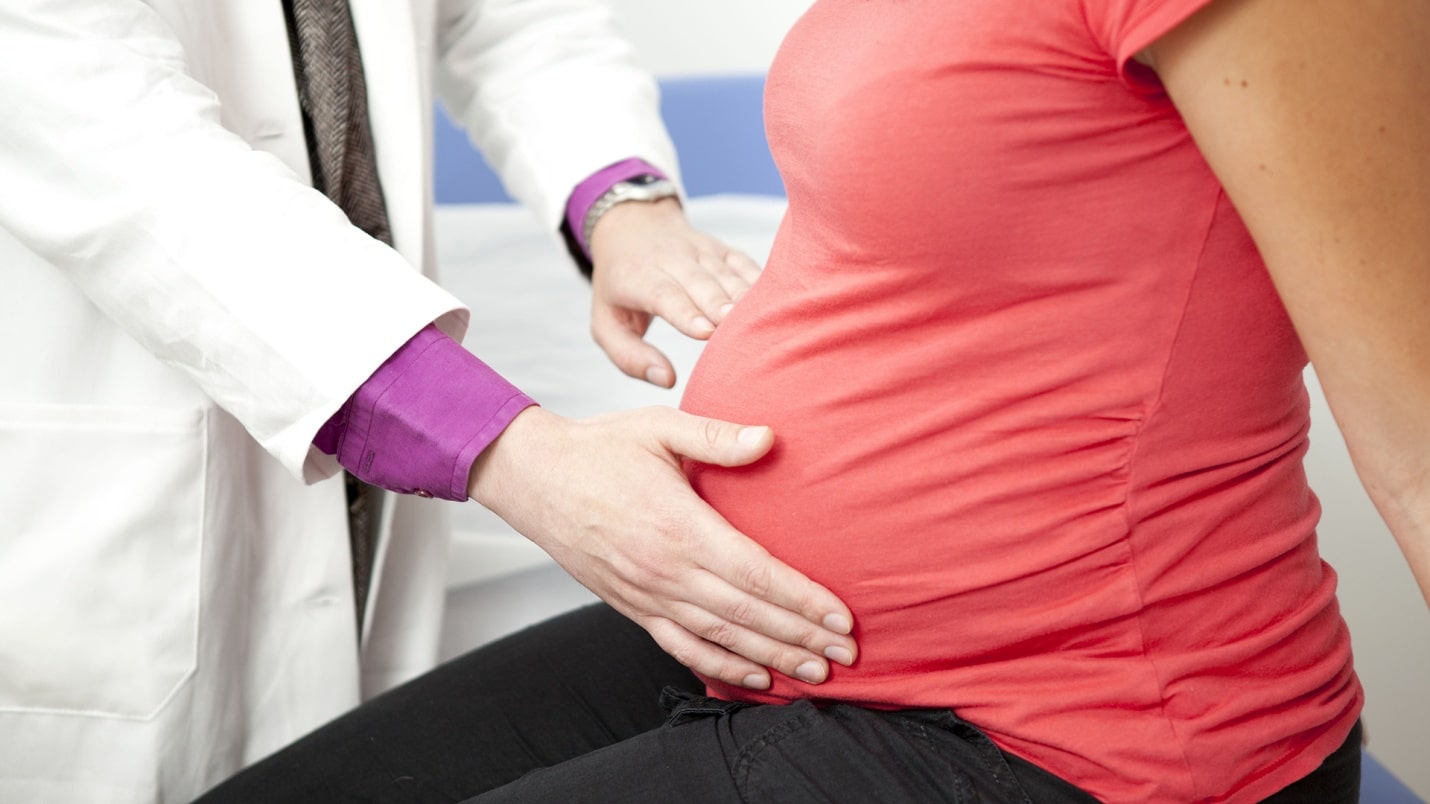
People who find conception challenging adopt various ways to get pregnant. One of the standard procedures most go for is Intra-Uterine Insemination or IUI.
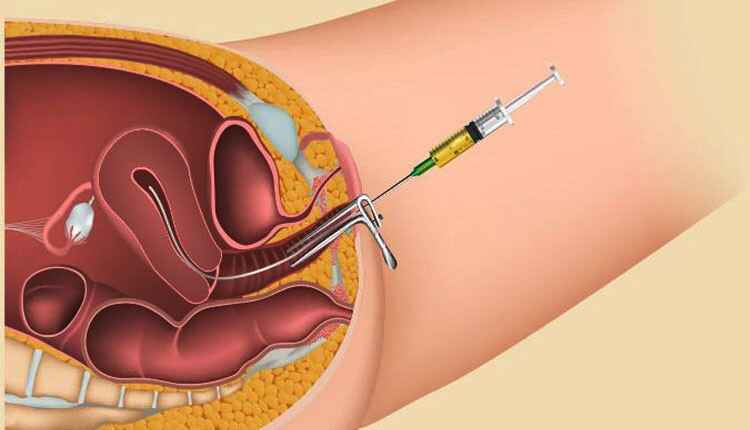
Intrauterine insemination aims to maximize the chance of conceiving by implanting sperm directly into the uterus. The sperm have substantially easier access to the egg when using this process, which, in turn, increases conception success rates.
IUI is often perceived as painful by many people. However, it is not the case. So, this article will explain how the process works and whether it is painful. Contact Tamara Hospital & IVF centre for the best IUI treatment in Bangalore.
IUI helps people address several male infertility-related issues. These conditions can include low sperm counts or fragile, slow-moving sperm. So, the Intra-Uterine Insemination (IUI) procedure involves the insertion of sperm into the uterus, very close to the egg.
The IUI procedure is a non-invasive and cost-effective alternative to invasive fertility treatments. In addition, this procedure is significantly safer, more comfortable, and improves fertility. Usually, the process takes 15 minutes.
Well, whether IUI is painful has a positive answer. It is common for many people to experience severe discomfort when placing sperm into the uterus for the first time. Some might even find it intolerable. But for most women, this procedure seldom hurts.
Patients do not need to be sedated or take painkillers during IUI because it is minimally intrusive. When you are expected to ovulate, IUI is done. It entails directly injecting sperm cells into the uterus to facilitate sperm proximity to the eggs. In this way, the sperm's journey to the uterus and the distance to the egg is reduced, facilitating egg fertilization.
Some patients may experience minor pinching and mild cramping during catheter insertion through the cervix. But as the catheter inserts into the cervix, you will mostly feel discomfort. Even doctors agree that patients suffer discomfort throughout the operation. But if the sensation intensifies or becomes unpleasant, patients should immediately inform their doctor about their situation.
While receiving the procedure, it is common to suffer cramps or minor bleeding. Ovulation might cause cramps, primarily if the patient uses an ovulation suppressant. But in most cases, the pain quickly subsides after the catheter is withdrawn. A small amount of bleeding might happen if the tube scratches the cervix, but this is not dangerous.
Thus, the statement that IUI is a painful treatment may not be accurate for all, considering the factors involved in the procedure.
However, it must be noted that after the procedure, patients might cramp if the uterus is inflamed.
The IUI process is relatively quick and straightforward. And it is performed in a single session on the day of ovulation. The first step in the IUI process is ovulation induction, usually done with medication. The ovulation induction process may take 7-14 days. But once ovulation is confirmed, the IUI procedure is scheduled.
It is imperative to know that inserting sperm into the uterus usually takes only a few minutes. However, preparing for IUI, including ovulation induction and monitoring, can take several days or weeks.
While the IUI procedure is quick and straightforward, pregnancy may take several cycles. Thus it is advisable to discuss with your doctor the duration of the IUI process and what to expect.
IUI is paired with ovarian stimulation. Before the insemination operation, you are given fertility medications to facilitate ovulation. These medications do not make IUI a painful process. However, you might encounter specific negative symptoms, like nausea, dizziness, and vision impairment.
Human Chorionic Gonadotropin (hCG), Follicle-Stimulating Hormone (FSH), and Clomiphene Citrate (Clomid) are occasionally used by doctors to aid in the process of the ovaries' maturation and eventual release of one or more eggs. When more than one egg is produced during ovulation, the likelihood of pregnancy rises.
Besides, a sample of your partner's or donor's semen is taken. Following collection, the sperm undergoes "sperm washing," which separates the healthy sperm from the semen.
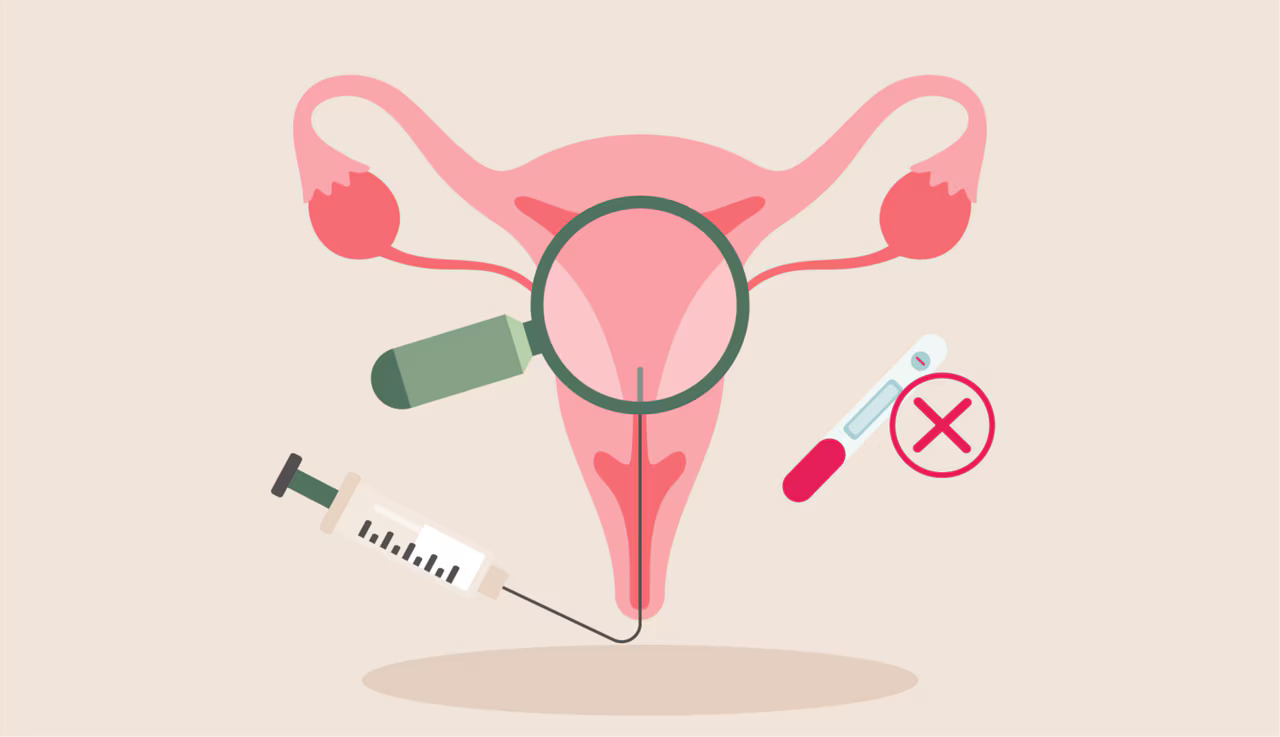
After cleaning the cervix and vagina with a gentle solution, the doctor introduces a small, flexible catheter into the vagina. He guides it through the uterus. A healthy sperm sample is released directly into the uterus with the catheter. The cervix would stop sperm leakage from the uterus after the process.
To assess the success of the overall procedure, doctors often perform a pregnancy test after 14 days. Your doctor can advise a second IUI procedure if the first pregnancy test results are negative.
If the male partner's sperm count is poor or his sperm motility is insufficient, IUI is typically performed. In addition, IUI is recommended in the following situations.
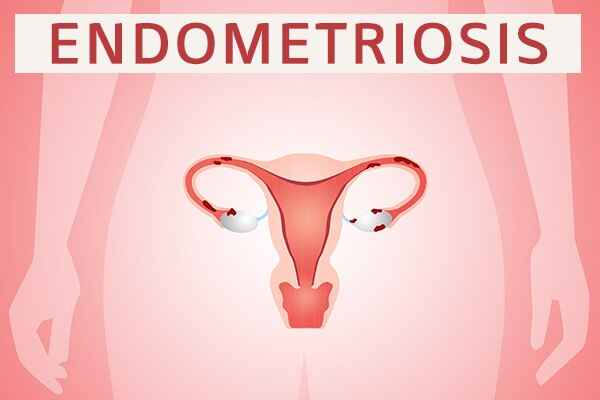
Additionally, IUI may be an effective option for treating recognized cervical conditions such as cervical mucus or scar tissue from prior surgeries. However, a doctor will not advise IUI for women with endometriosis, fallopian tube illness, or a history of pelvic infections.
Undiagnosed reproductive problems, including an imbalance in hormones or abnormalities in your uterus, may affect your ability to conceive.
Doctors do not recommend IUI treatment for specific medical conditions. People with acute fallopian tube conditions and mild to severe endometriosis shouldn't undergo this procedure.
Also, women with one or both fallopian tubes removed or obstructed cannot release eggs. Hence, they are not ideal candidates. Moreover, treatment is not considered if infertility is due to pelvic infections.
Besides, if the male has infertility issues or poor sperm production, the IUI procedure may not provide the desired result. It is often not considered a suitable option.
When attempting to conceive naturally without success, it might be time to consider effective fertility treatments like intra-uterine insemination or IUI. Many people have seen positive results from this procedure. The majority of people believe IUI treatment is painful. The procedure induces some discomfort. While the catheter is inserted through the cervix, cramping might happen. But extreme pain is rare.
So, if you want IUI, Tamara is your ideal choice. Our doctors are well-trained and qualified to diagnose the underlying causes of the issue. They are equipped to perform IUI with minimal intrusion while ensuring you feel safe and comfortable. Contact Tamara for the best IUI treatment in Bangalore, our experts, to get more details regarding the process for a seamless experience.
Share this Post


05/04/2025

16/01/2025

10/08/2023
10/08/2023

10/08/2023
10/08/2023

24/07/2023
04/07/2023
04/07/2023

17/06/2023

18/05/2023

24/04/2023

16/03/2023

21/02/2023
21/05/2022

17/03/2021

05/03/2021

02/03/2021

17/02/2021

22/01/2021
18/01/2021

12/01/2021

04/01/2021
31/12/2020

28/10/2020

06/08/2020
03/07/2020

20/06/2020

12/05/2020

14/03/2020

29/02/2020

06/02/2020

State of the science Equipment and Treatment Experience of 35 plus years in patient service Advanced & cost effective Fertility treatment Boutique Birthing Suites Our doctors are from among the best in Bangalore Ambience which is beautiful and pleasant.
#34-3, 10th Cross, 1st N Block,
Opp. Vardhaka Saradar Patel School,
Rajajinagar, Bangalore – 560 010
Telephone : +91 82962 60095