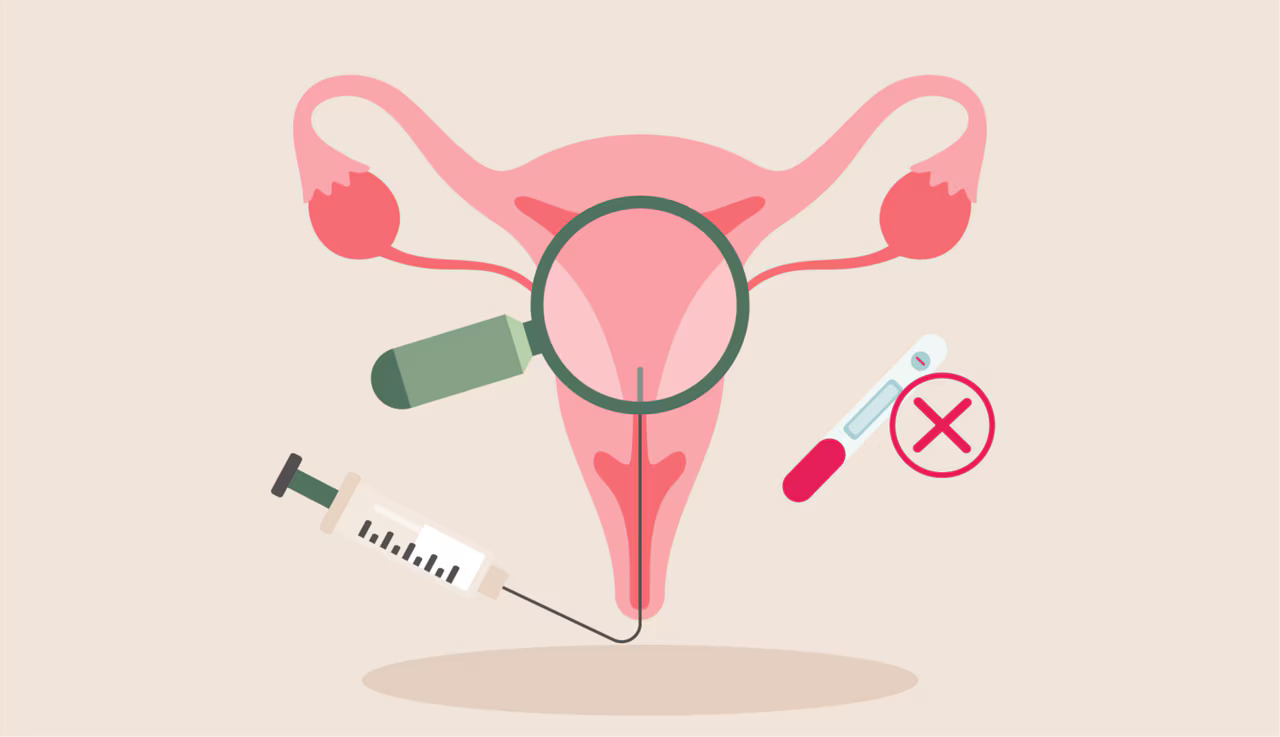
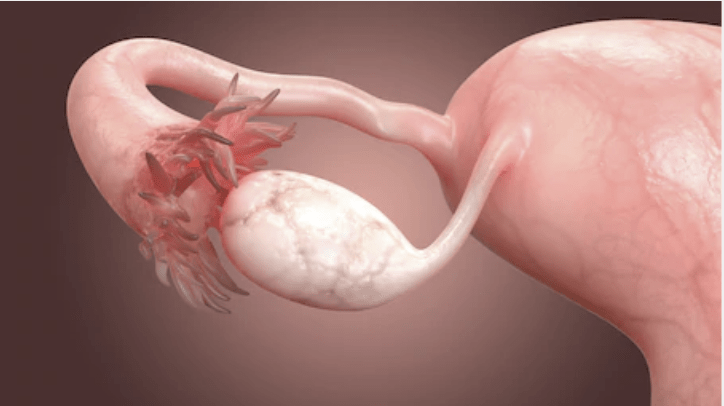
PCOD and PCOS are terms generally used interchangeably. But these conditions are different, even though both cause hormonal disturbances in women. PCOD stands for Polycystic Ovarian Disorder, while PCOS stands for Polycystic Ovarian Syndrome. PCOD and PCOS are hormonal disorders in females due to the formation of cysts in the ovaries. PCOD results from an imbalance of hormones, while PCOS is a metabolic disorder.

PCOD, or Polycystic Ovarian Disorder, results from hormonal imbalance in women. This results in the release of immature eggs, turning into cysts during ovulation. As a result, ovaries release a large amount of androgen, a male sex hormone, leading to an irregular menstrual cycle and exhibiting symptoms like male pattern hair loss and weight gain.
PCOS stands for Polycystic Ovarian Syndrome. This metabolic disorder is more severe than PCOD. Due to PCOS, the ovaries release many male sex hormones, like androgen. Excessing androgen in the female body results in the formation of follicular cysts in the ovaries. Cysts can lead to anovulation or no release of eggs or ovum during ovulation. Symptoms of PCOS include obesity, infertility, and loss of hair.
PCOD
PCOS
PCOD: Usually, PCOD is very common in women throughout the world. Nearly 10% of women worldwide suffer from PCOD.
PCOS is a severe medical condition affecting 0.2% to 2.5% of women globally.
Usually, the symptoms of PCOD and PCOS include heavy bleeding, pelvic pain, irregular menstrual cycle, weight gain, or acne. Some symptoms to differentiate between them are as follows:
PCOD
PCOS
You must visit a gynecologist if your periods are irregular and you are experiencing infertility. If you suffer from unusual hair growth and male pattern baldness, the doctor will perform tests to detect PCOD or PCOS.]
PCOD is commonly found in women but doesn't lead to complications. Women suffering from PCOD have irregular menstrual cycles due to cysts in the ovary, but it doesn't affect fertility because women can still ovulate. Thus, it doesn't hinder pregnancy.
PCOS is a severe condition in women that affects fertility and, thus, pregnancy. The primary reason is anovulation as a result of PCOS. There is a high risk of ectopic pregnancy, miscarriage, or the birth of a premature child. Other complications associated with PCOS are heart disease, high cholesterol levels, or type II diabetes.
Usually, the treatment methods for PCOD and PCOS are similar, including:
Based on your symptoms, PCOD and PCOS can be treated. Contact Tamara for the best PCOD Treatment in Bangalore. After noticing the symptoms, get a diagnosis as quickly as possible. Treatment of these diseases will ensure that you have a healthy reproductive life. In most women, PCOD and PCOS can be cured by home remedies and following a healthy lifestyle.
Contact a doctor for professional medical advice if you have any queries about PCOS or PCOD. Contact Tamara Hospital and IVF Centre for the best PCOD & PCOS treatment in Bangalore.
Share this Post


05/04/2025

16/01/2025
10/08/2023
10/08/2023

10/08/2023
10/08/2023

24/07/2023
04/07/2023
04/07/2023
17/06/2023
18/05/2023

24/04/2023

16/03/2023

21/02/2023
21/05/2022

17/03/2021

05/03/2021

02/03/2021

17/02/2021

22/01/2021
18/01/2021
12/01/2021

04/01/2021
31/12/2020

28/10/2020

06/08/2020
03/07/2020

20/06/2020

12/05/2020

14/03/2020

29/02/2020
06/02/2020
State of the science Equipment and Treatment Experience of 35 plus years in patient service Advanced & cost effective Fertility treatment Boutique Birthing Suites Our doctors are from among the best in Bangalore Ambience which is beautiful and pleasant.
#34-3, 10th Cross, 1st N Block,
Opp. Vardhaka Saradar Patel School,
Rajajinagar, Bangalore – 560 010
Telephone : +91 82962 60095