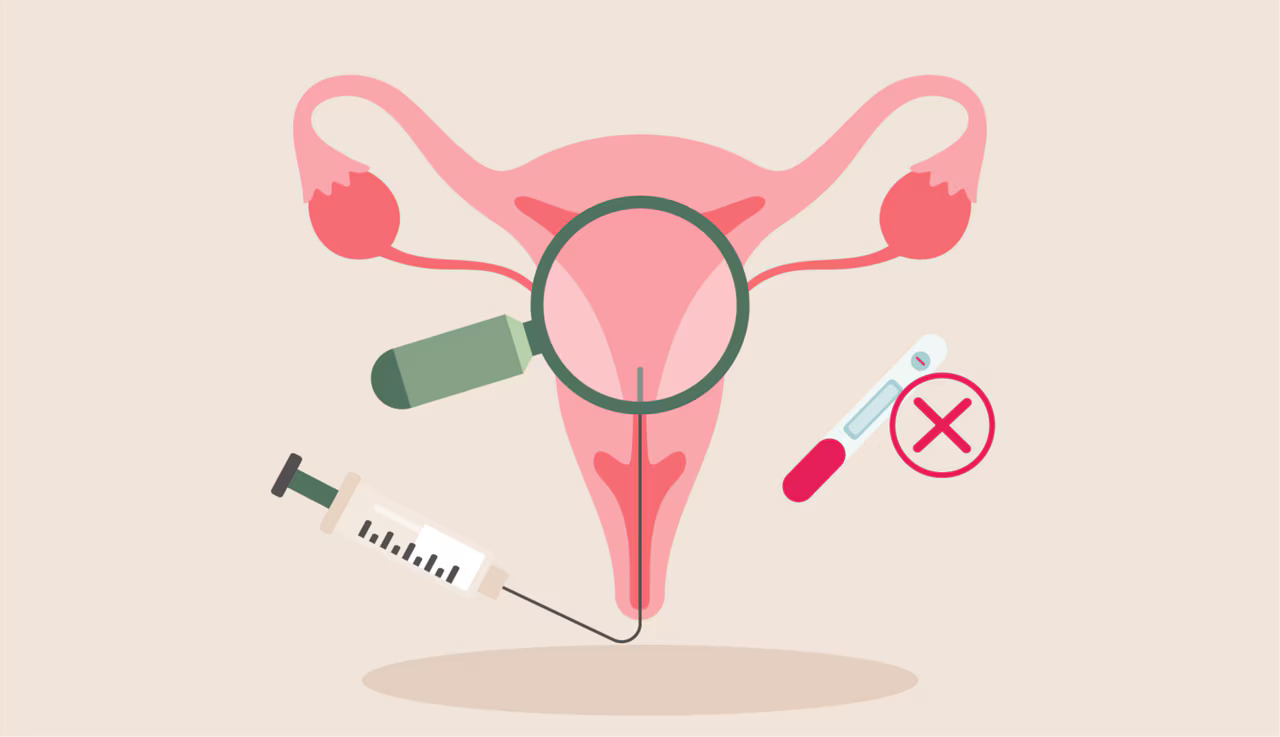
You did everything right.
✔ Good embryos
✔ Proper medication
✔ Experienced fertility specialists
✔ Healthy lifestyle
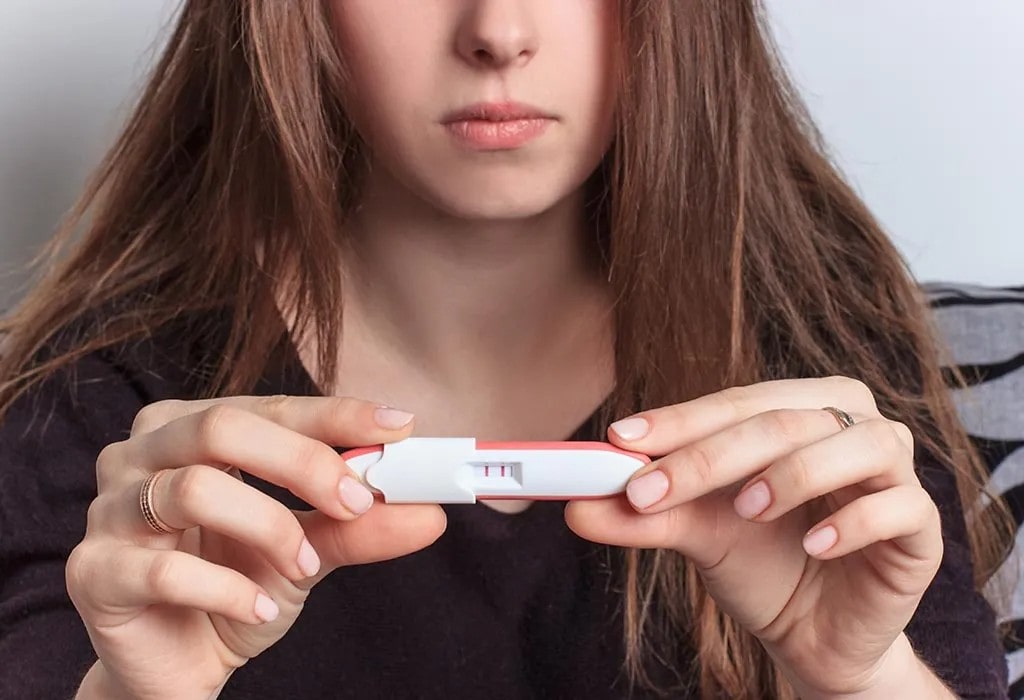
Yet the pregnancy test is negative — again.
If this sounds familiar, you may be facing Recurrent Implantation Failure (RIF) — a condition that affects many couples silently.
At Tamara Healthcare, we believe understanding the why behind IVF failure is the first step toward success.
Recurrent Implantation Failure is typically diagnosed when:
Despite transferring embryos that appear healthy under the microscope, pregnancy does not occur.
But here’s the important part:
Implantation is more than just embryo quality.
It is a complex biological dialogue between the embryo and the uterus.
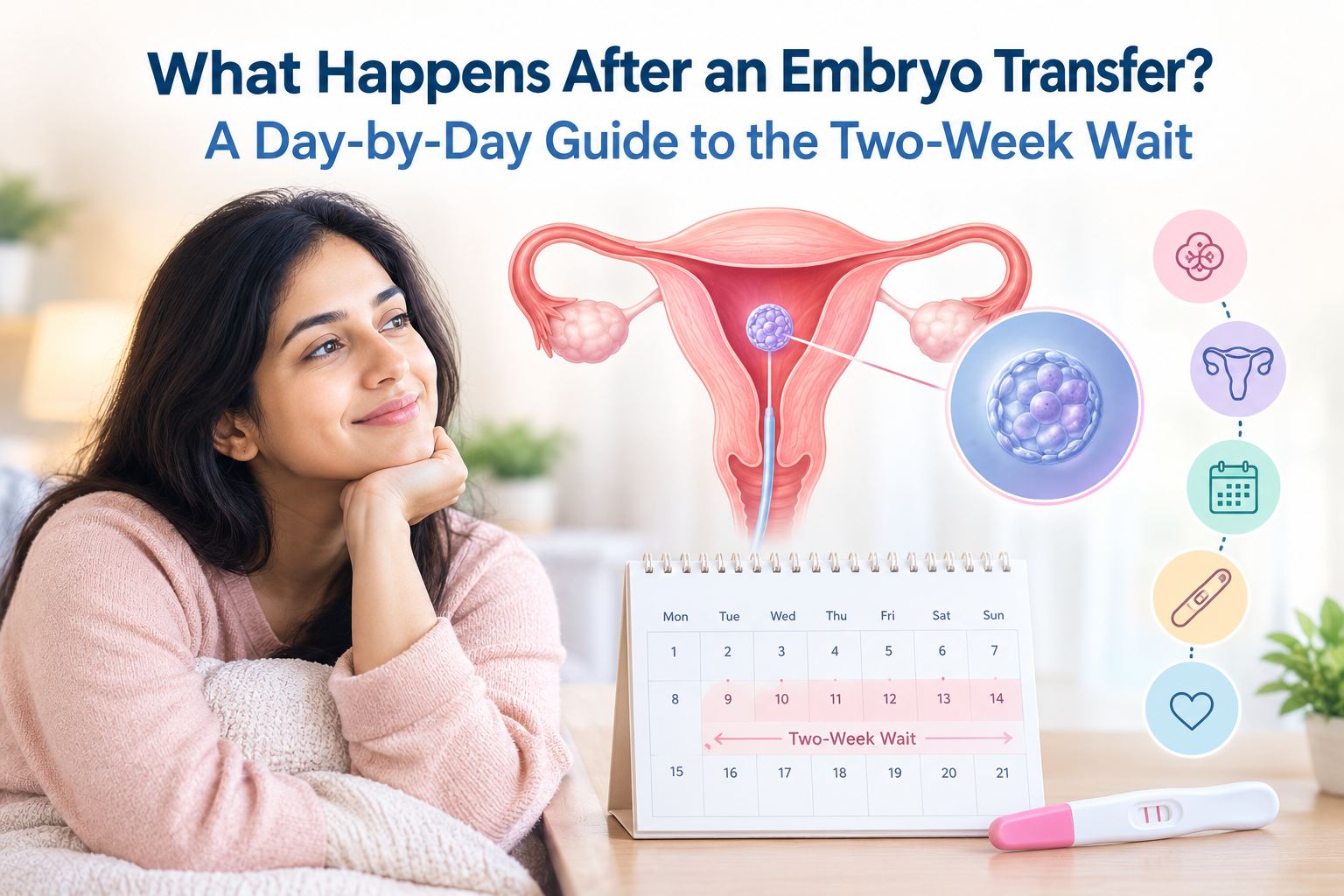
Implantation happens in a very short window called the “Window of Implantation.”
During this time:
If even one of these factors is slightly off, implantation may not occur.
1. Uterine Lining Issues
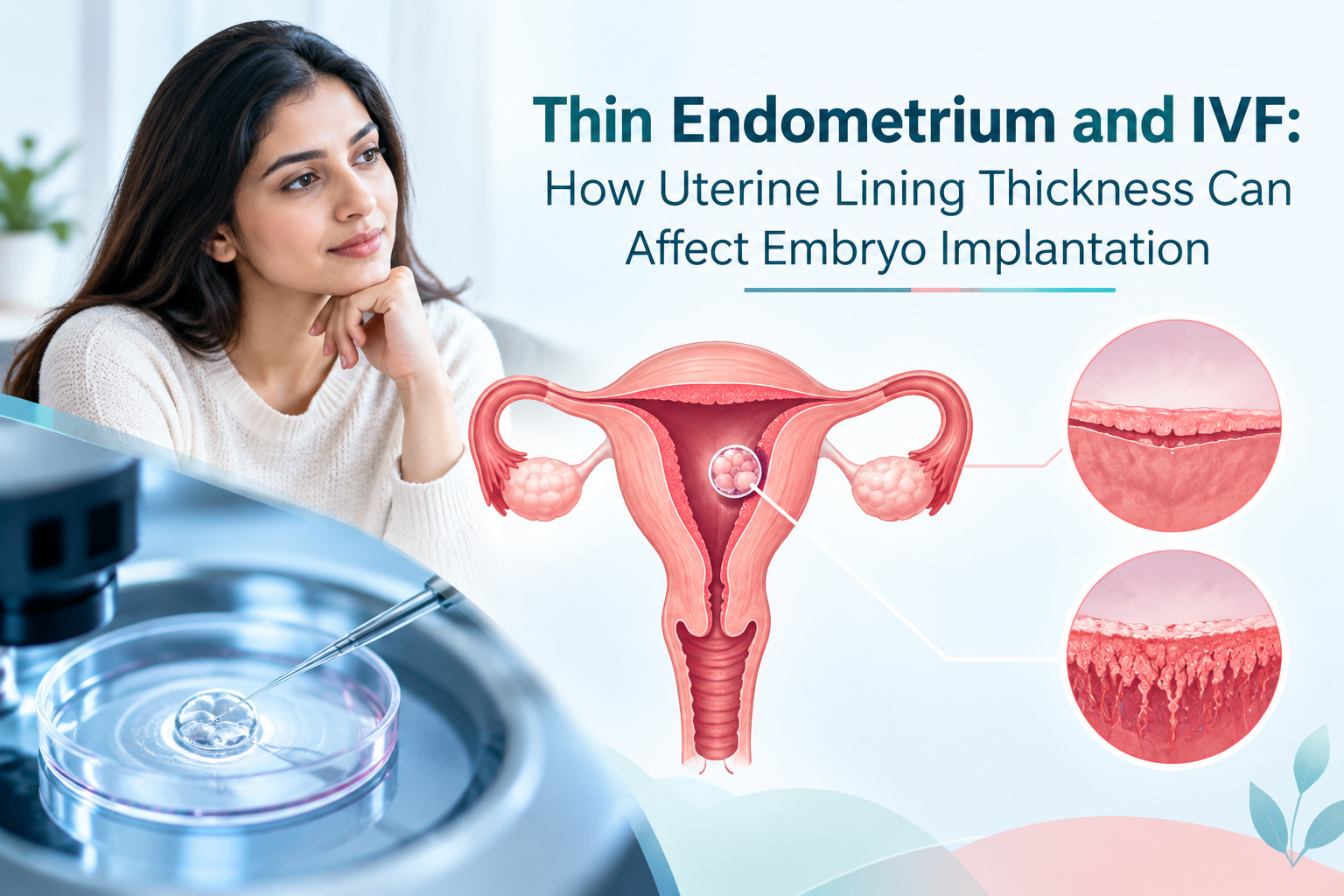
Thin endometrium or poor blood flow may prevent proper attachment.
2. Window of Implantation Displacement
Some women have a shifted implantation window, meaning the embryo is transferred at the wrong time.
3. Chromosomal Abnormalities
Even “good-looking” embryos may carry genetic abnormalities invisible without advanced testing.
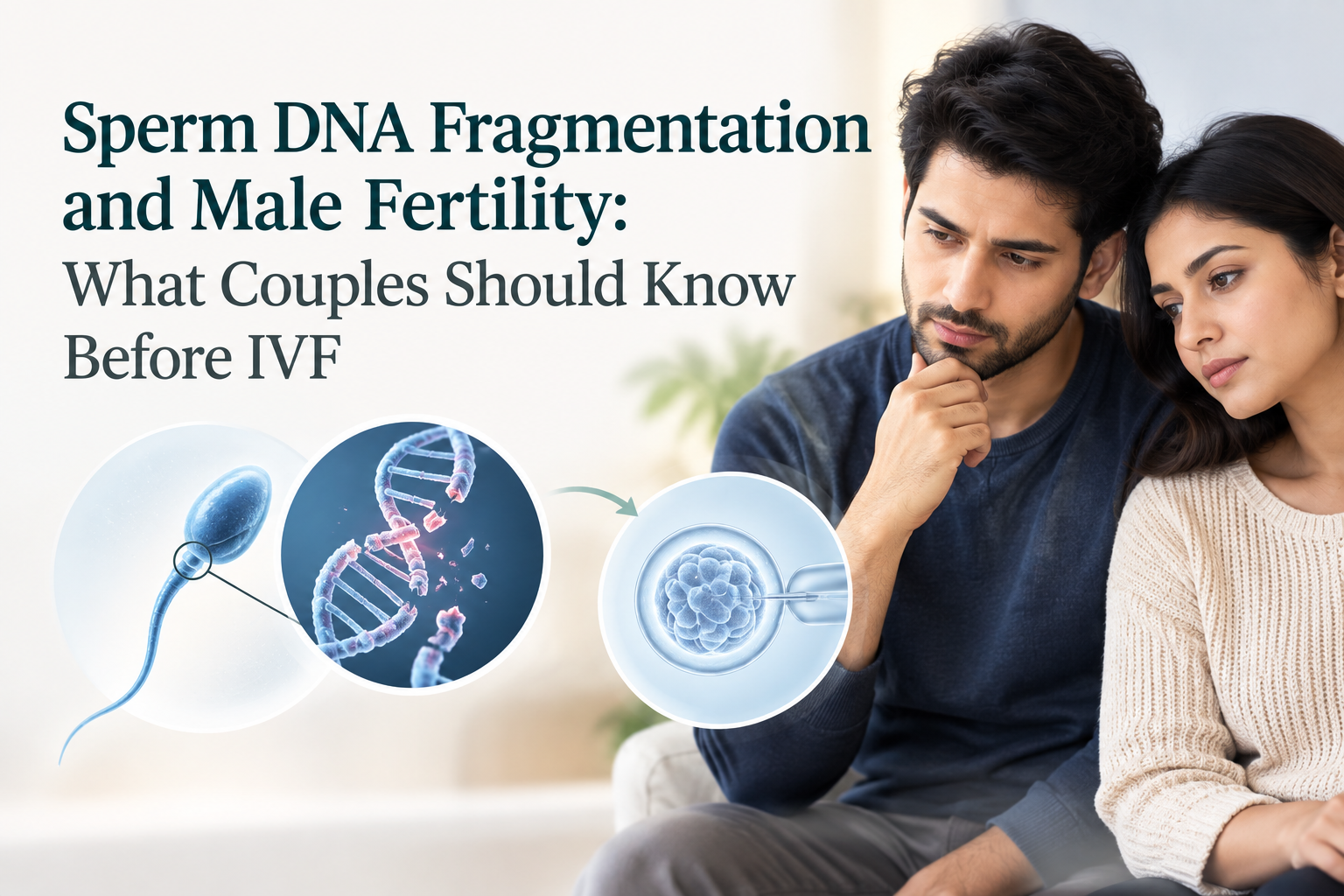
4. Sperm DNA Fragmentation
High sperm DNA damage can affect embryo development after transfer.
5. Immune System Overactivity
An overly aggressive immune response may reject the embryo.
6. Chronic Endometritis
Mild, undetected uterine infections can reduce implantation success.
7. Hormonal Imbalance
Progesterone levels must be optimal for successful implantation.
8. Lifestyle & Stress
Chronic stress, obesity, smoking, and sleep disorders can reduce implantation potential.
If you’ve experienced two or more failed embryo transfers, deeper evaluation is recommended.
Modern fertility science offers advanced diagnostics such as:
These tools help personalize treatment rather than repeating identical cycles.
Yes — in most cases.
Treatment depends on the underlying cause and may include:
The key is individualized fertility planning, not repeating the same IVF protocol.
Repeated negative pregnancy tests can cause:
It’s important to remember:
IVF failure does not mean you cannot become pregnant.
It means your treatment plan may need refinement.
Support and counseling are crucial during this journey.
At Tamara Healthcare:
✔ Every failed cycle is analyzed in depth
✔ Root causes are investigated
✔ Personalized embryo transfer plans are created
✔ Emotional counseling support is provided
The focus is not just treatment — but strategy.
1. How many IVF failures are considered recurrent implantation failure?
Usually after three failed transfers of good-quality embryos, further evaluation is advised.
2. Can good embryos still fail to implant?
Yes. Implantation depends on uterine receptivity, hormones, and immune factors — not just embryo quality.
3. Does stress cause implantation failure?
Severe chronic stress may influence hormonal balance, but it is rarely the sole cause.
4. Is genetic testing necessary after repeated IVF failure?
In many cases, Preimplantation Genetic Testing (PGT) can improve success rates by selecting chromosomally normal embryos.
5. Can thin endometrium be treated?
Yes, with medications, platelet-rich plasma (PRP), or hormonal adjustments.
6. Should I change clinics after IVF failure?
Not always. What matters is whether the clinic performs a detailed root-cause evaluation before repeating treatment.
7. What is the success rate after treating implantation issues?
Success rates improve significantly once the underlying cause is identified and corrected.
IVF failure is not the end of your fertility journey.
It is a signal to investigate deeper, personalize treatment, and optimize every biological factor involved in implantation.
With the right diagnostics, strategy, and emotional support, many couples go on to achieve successful pregnancies after repeated failures.

MBBS, DGO, DRM Gynecologist, Obstetrician & Infertility Specialist
Experience: 11+ Years
Dr. Akhila Anand is the resident Obstetrician, Gynecologist & one of the Best Fertility / IVF Doctor in Rajajinagar, Bangalore.


05/04/2025

16/01/2025

10/08/2023
10/08/2023

10/08/2023
10/08/2023

24/07/2023

04/07/2023
04/07/2023

17/06/2023

18/05/2023

24/04/2023

16/03/2023
21/02/2023
21/05/2022

17/03/2021

05/03/2021

02/03/2021

17/02/2021

22/01/2021
18/01/2021

12/01/2021

04/01/2021
31/12/2020

28/10/2020

06/08/2020
03/07/2020

20/06/2020

12/05/2020

14/03/2020

29/02/2020

06/02/2020

State of the science Equipment and Treatment Experience of 35 plus years in patient service Advanced & cost effective Fertility treatment Boutique Birthing Suites Our doctors are from among the best in Bangalore Ambience which is beautiful and pleasant.
#34-3, 10th Cross, 1st N Block,
Opp. Vardhaka Saradar Patel School,
Rajajinagar, Bangalore – 560 010
Telephone : +91 82962 60095