Infertility and Infertility-Enhancing Surgeries

Infertility

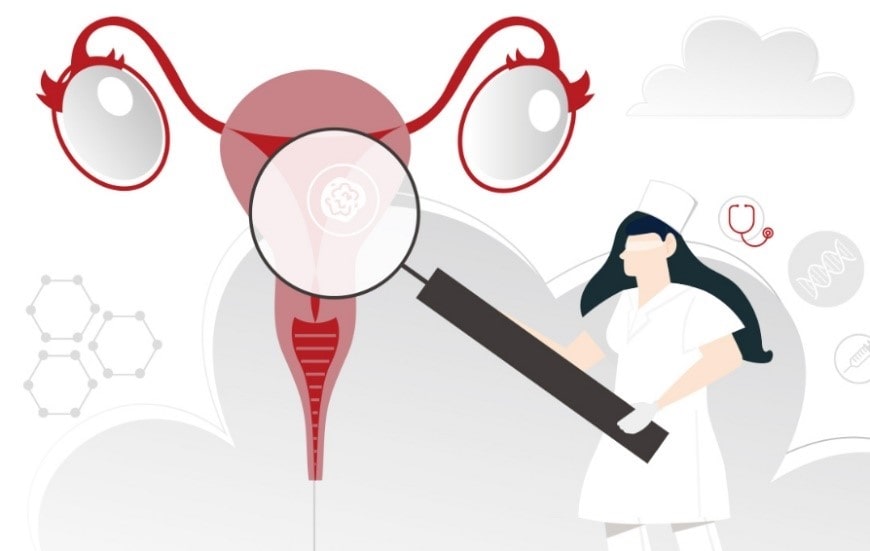
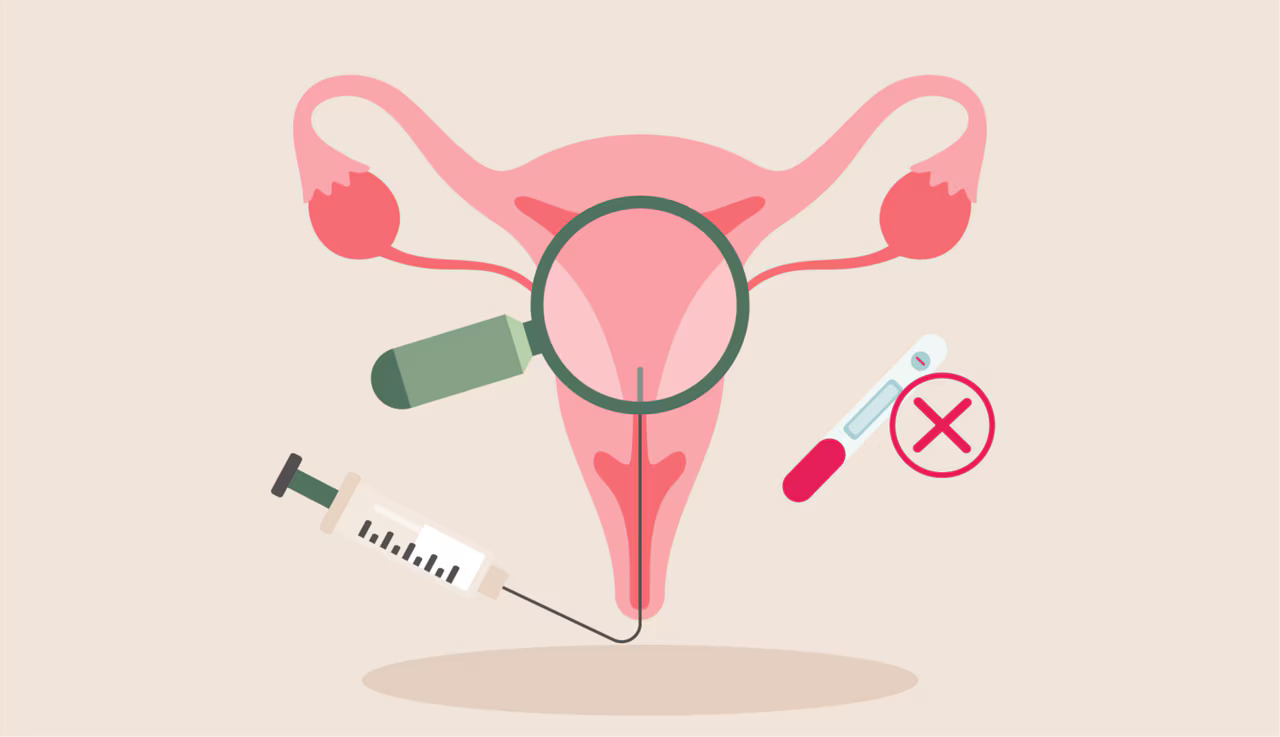
Infertility is a medical condition characterized by the inability to achieve pregnancy despite regular, unprotected sexual intercourse for at least a year. Both men and women can experience infertility, and it may result from various factors, including issues with ovulation, sperm production, fallopian tube blockages, or conditions affecting the reproductive organs.

Infertility-Enhancing Surgeries

In some cases, surgical interventions can be employed to address specific anatomical or structural issues that contribute to infertility. These surgeries aim to correct abnormalities, remove obstructions, or improve the overall reproductive health of individuals. Here are some common infertility-enhancing surgeries:

  • Laparoscopic Surgery:
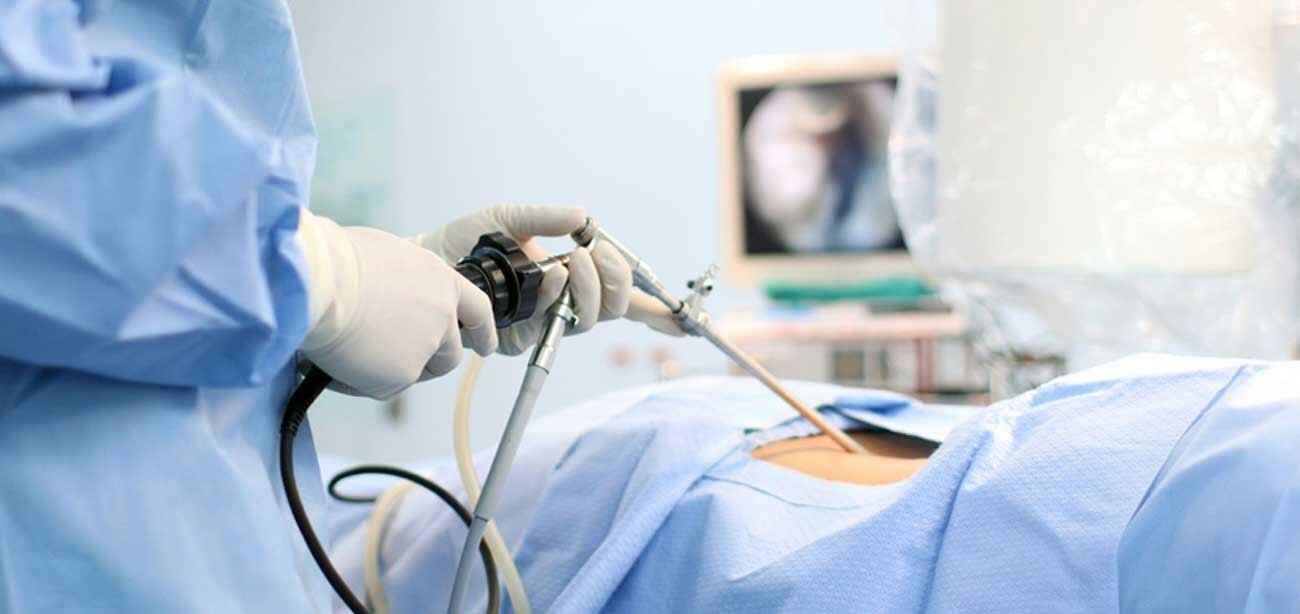
    • Purpose: Laparoscopic surgery is often used to diagnose and treat conditions that may contribute to infertility, such as endometriosis, ovarian cysts, or adhesions.
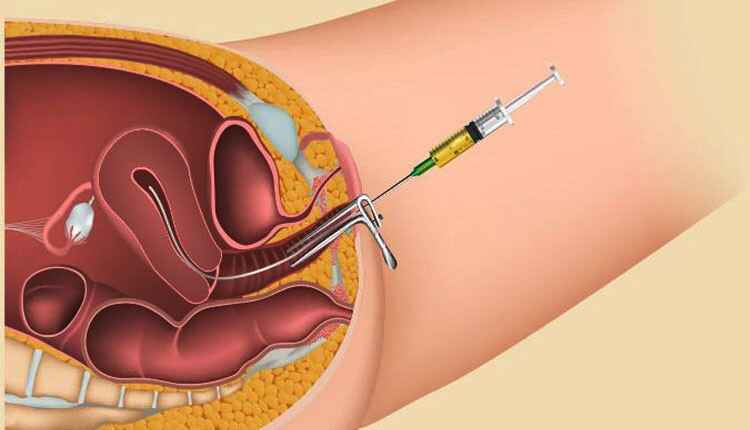
    • Procedure: A laparoscope, a thin tube with a camera, is inserted through small incisions in the abdomen. The surgeon can visualize and, if necessary, treat reproductive organ abnormalities.
  • Hysteroscopic Surgery:
    • Purpose: Hysteroscopic surgery is performed to address issues within the uterine cavity, such as polyps, fibroids, or septum, which can affect fertility.
    • Procedure: A hysteroscope, a thin tube with a light and camera, is inserted through the cervix into the uterus. The surgeon can visualize and treat abnormalities without the need for abdominal incisions.
  • Myomectomy:
    • Purpose: Myomectomy is the surgical removal of uterine fibroids, which are non-cancerous growths that can interfere with fertility.
    • Procedure: Depending on the size and location of the fibroids, myomectomy may be performed through open abdominal surgery, laparoscopy, or hysteroscopy.
  • Tubal Ligation Reversal:
    • Purpose: Tubal ligation reversal is a procedure to reconnect or unblock fallopian tubes that were previously tied or cut during a tubal ligation procedure.
    • Procedure: Surgeons may use microsurgical techniques to rejoin the fallopian tubes, potentially restoring the natural fertility pathway.
  • Varicocelectomy:
    • Purpose: Varicocele is a swelling of the veins that drain the testicles. Varicocelectomy is the surgical correction of this condition, which may improve sperm quality and fertility in men.
    • Procedure: The surgeon may use various approaches, including laparoscopy or microsurgery, to repair the dilated veins and improve blood flow to the testicles.

Considerations

  • Infertility-enhancing surgeries are typically considered after a thorough evaluation of the underlying causes of infertility.
  • Success rates and outcomes of these surgeries can vary depending on the specific condition being addressed.
  • In some cases, assisted reproductive technologies (ART), such as in vitro fertilization (IVF), may be recommended as an alternative or complementary approach to surgery.

It's crucial for individuals or couples experiencing infertility to consult with fertility specialists or reproductive endocrinologists. These healthcare professionals can provide personalized assessments, recommend appropriate interventions, and guide individuals through the most suitable treatment options based on their unique circumstances.

When Surgery is Needed for Infertility

Surgery for infertility may be considered when there are specific anatomical or structural issues that can be corrected to improve the chances of conception. Some situations where surgery might be recommended include:

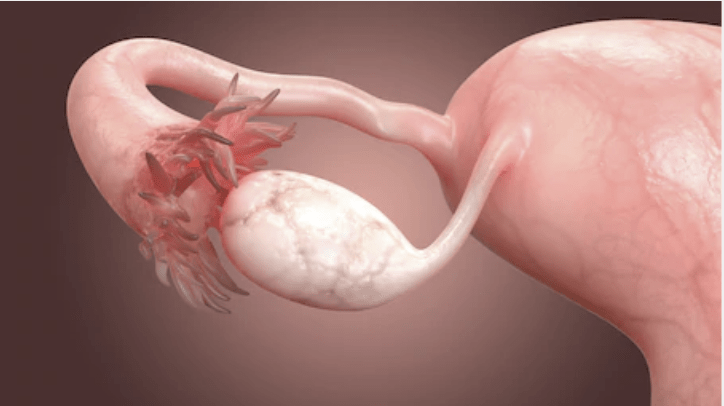
  • Tubal Blockages or Damage: Surgery can be performed to remove blockages or repair damage to the fallopian tubes, allowing for the passage of eggs and sperm.
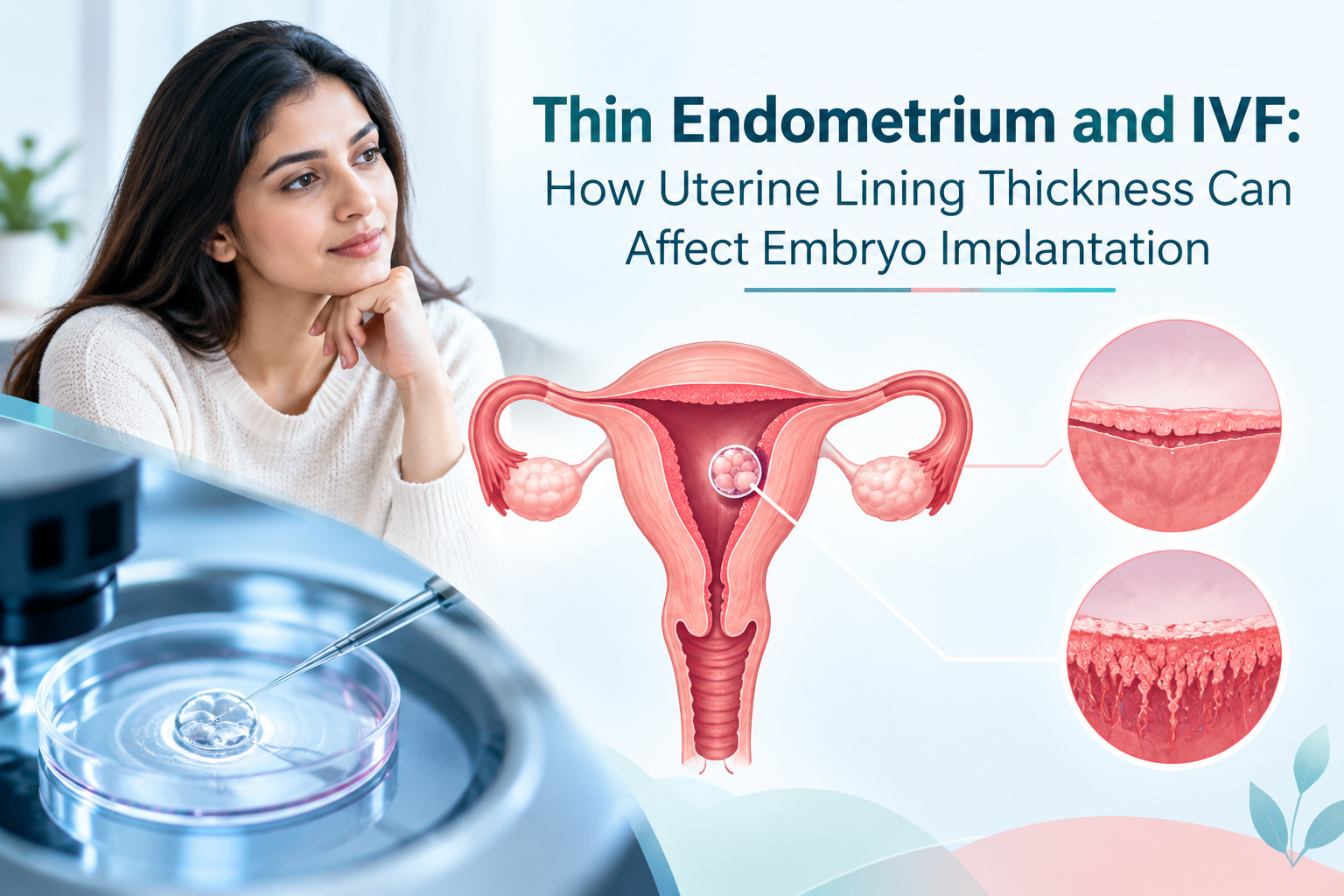
  • Uterine Abnormalities: Conditions such as uterine fibroids, polyps, or a septum can be surgically treated to create a more conducive environment for implantation.
  • Ovarian Cysts: Surgical removal of cysts from the ovaries may be necessary to restore normal ovarian function.
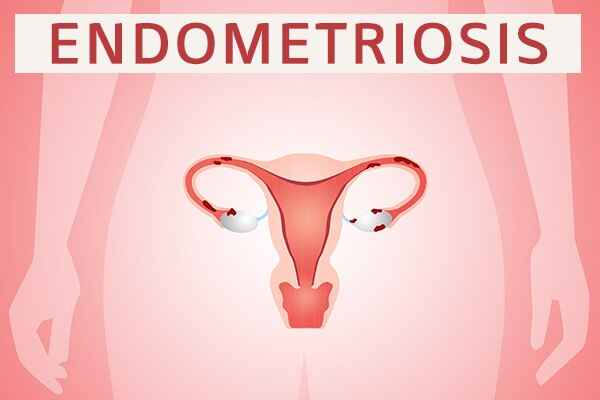
  • Endometriosis: Laparoscopic surgery can be used to remove endometrial implants and scar tissue, potentially improving fertility in individuals with endometriosis.
  • Varicocele Repair: For men with varicoceles, surgical correction (varicocelectomy) may improve sperm quality and increase the chances of successful conception.

Importance of Fertility-Enhancing Surgeries to Treat Infertility

  • Correcting Underlying Issues: Fertility-enhancing surgeries aim to address specific factors that may be hindering fertility, such as structural abnormalities or blockages. Correcting these issues can improve the natural reproductive processes.
  • Improving Pregnancy Rates: Successful surgical intervention can enhance the likelihood of natural conception by resolving obstacles that may have otherwise impeded fertilization or implantation.
  • Complementing Assisted Reproductive Technologies (ART): In some cases, surgery may be recommended as a standalone treatment or in combination with ART procedures like in vitro fertilization (IVF) to optimize the chances of a successful pregnancy.
  • Personalized Treatment: Fertility-enhancing surgeries are often tailored to the individual's specific situation, addressing their unique reproductive challenges and optimizing the chances of success.

Contacting Tamara Hospital and IVF Center for Fertility-Enhancing Surgeries in Bangalore

While I can provide general information, it's important to note that I don't have real-time access to external databases or contact information. If you are considering fertility-enhancing surgeries and are interested in contacting Tamara Hospital and IVF Center in Bangalore, I recommend visiting their official website or contacting them directly through the information available on their official channels.

Before seeking any medical procedures, it's advisable to schedule a consultation with a qualified reproductive endocrinologist or fertility specialist who can assess your specific situation, discuss potential treatment options, and guide you through the appropriate course of action based on your individual needs.


Leave a reply


Tamara Hospital & IVF Centre
whatsapp