Some common causes of infertility in women and men can now be treated without surgery by interventional radiologists.

- Non-Surgical Solution to Female Infertility:
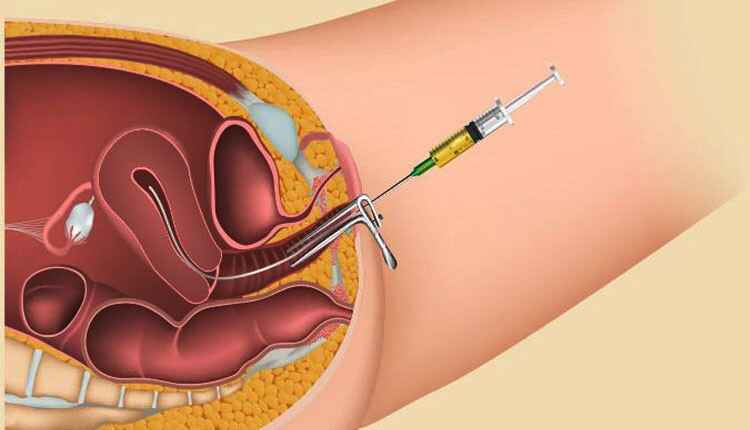
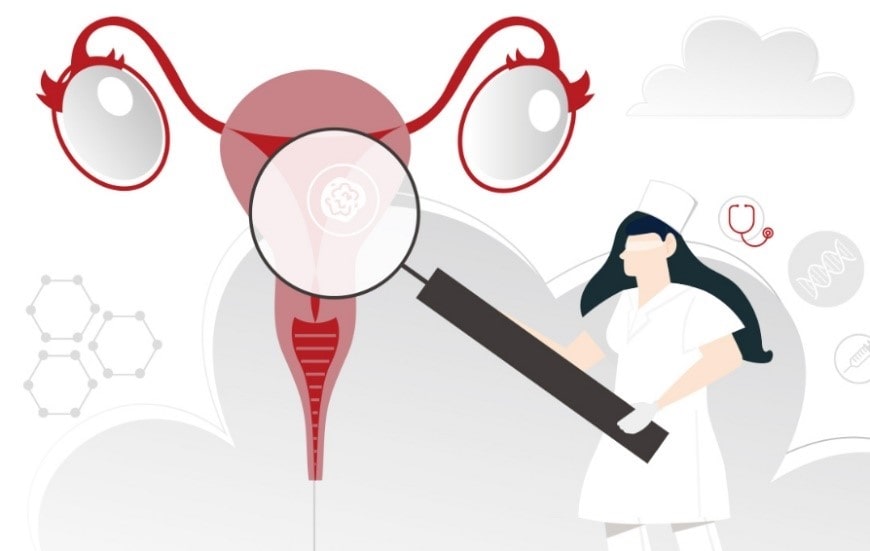
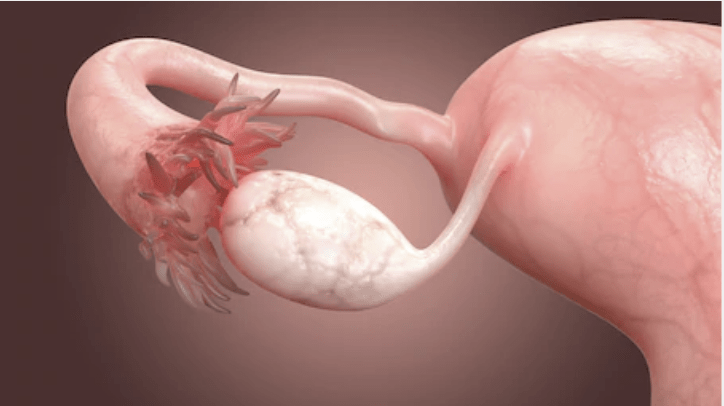
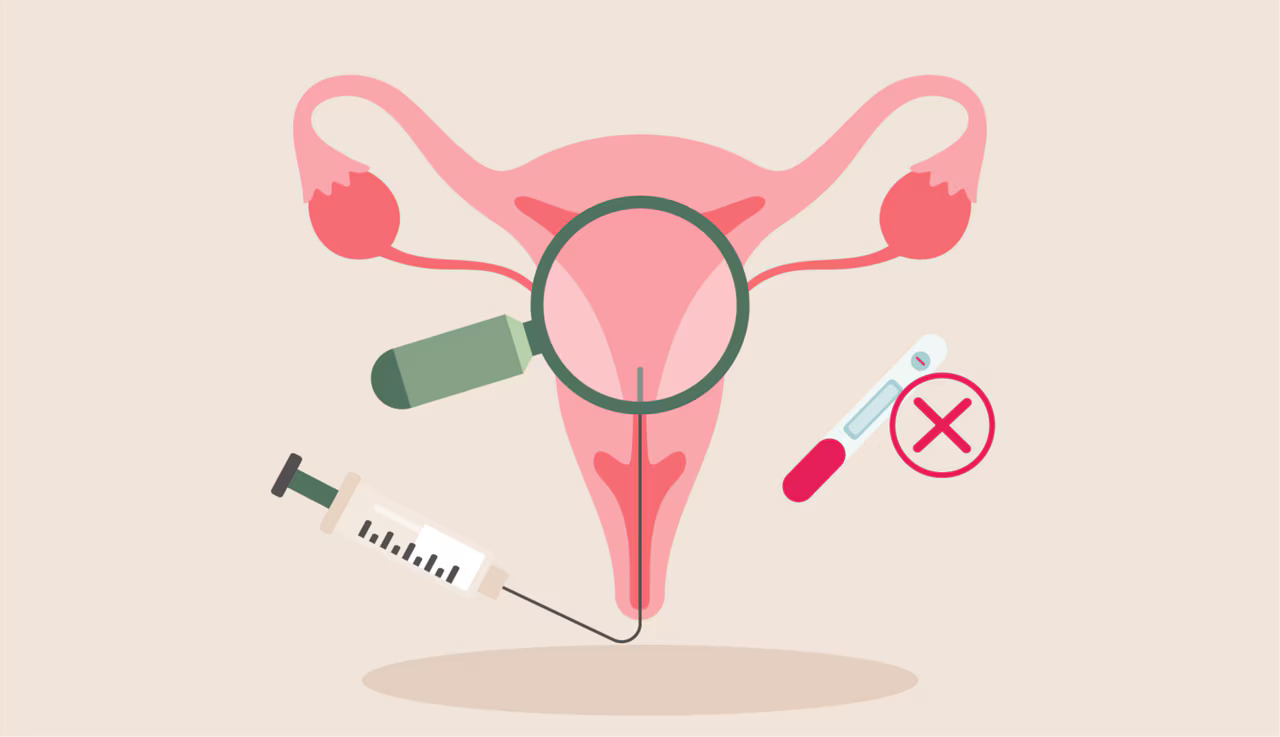
A common cause of female infertility is blockage of the fallopian tube through which eggs pass from the ovary to the uterus. Occasionally, these tubes become plugged or narrowed, preventing successful pregnancy. Interventional radiologists can diagnose and treat a blockage in the fallopian lines with a non-surgical procedure known as Fallopian Tube Recanalisation.
- Non-Surgical Solution to Male Infertility:
In males, a varicocele is a varicose vein of the testicle and scrotum that may cause pain and lead to testicular atrophy. Some experts believe that the raised temperature that results from the pooled blood in these blocked veins can decrease sperm count and motility of sperm and increase the number of deformed sperm. The incidence of varicoceles increases to 30 per cent in couples who cannot have children. Varicoceles are relatively simple to detect and diagnose through physical or diagnostic examination. Interventional Radiologists can treat varicoceles without surgery by blocking varicoceles (dilated veins along with testicles).
Managing male infertility is always tricky, and the pathologic process is often poorly understood. Even though modern assisted reproduction techniques (ART) can help overcome severe male factor infertility, applying these methods in all infertile couples would represent over-treatment. Several conditions can interfere with spermatogenesis and reduce sperm quality and production. A careful diagnostic work-up is necessary before any andrological treatment can be initiated to select good treatment options for individual patients.
Most hormonal imbalances can be readily identified and successfully treated nonsurgically. However, the treatment of men with unexplained idiopathic infertility remains a challenge. Without a correctable aetiology, patients are managed with either empirical medical therapy or ART. Empiric medical therapy continues as a viable option. However, physicians and patients must understand that the success rates with pharmacological treatments remain suboptimal.
Male infertility
- Diagnosis
Many infertile couples have more than one cause of infertility, so you will likely need to see a doctor. It might take several tests to determine the cause of infertility. In some cases, a cause is never identified.
Infertility tests can be expensive and might not be covered by insurance — find out what your medical plan covers beforehand.
Diagnosing male infertility problems usually involves:
General physical examination and medical history. This includes examining your genitals and asking questions about inherited conditions, chronic health problems, illnesses, injuries, or surgeries that could affect fertility. Your doctor might also ask about your sexual habits and sexual development during puberty.
- Semen analysis
Semen samples can be obtained in a couple of different ways. You can provide a model by masturbating and ejaculating at the doctor’s office in a particular container. Because of religious or cultural beliefs, some men prefer an alternative method of semen collection. In such cases, semen can be collected using a special condom during intercourse.
Your semen is then sent to a laboratory to measure the number of sperm present and look for any abnormalities in the shape (morphology) and movement (motility) of the sperm. The lab will also check your semen for signs of problems such as infections.
Often sperm counts fluctuate significantly from one specimen to the next. In most cases, several semen analysis tests are done over time to ensure accurate results. If your sperm analysis is typical, your doctor will likely recommend thorough testing of your female partner before conducting any more male infertility tests.
Female infertility
If you’ve been unable to conceive within a reasonable period, seek help from your doctor to evaluate and treat infertility.
Fertility tests may include:
- Ovulation testing
An at-home, over-the-counter ovulation prediction kit detects the luteinizing hormone (LH) surge that occurs before ovulation. A blood test for progesterone — a hormone produced after ovulation — can also document that you’re ovulating. Other hormone levels, such as prolactin, also may be checked.
- Hysterosalpingography
During hysterosalpingography (his-tur-o-sal-ping-GOG-ruh-fee), X-ray contrast is injected into your uterus, and an X-ray is taken to detect abnormalities in the uterine cavity. The test also determines whether the fluid passes out of the uterus and spills out of your fallopian tubes. If abnormalities are found, you’ll likely need further evaluation. The test can improve fertility in a few women, possibly by flushing out and opening the fallopian tubes.
- Ovarian reserve testing
This testing helps determine the quality and quantity of eggs available for ovulation. Women at risk of a depleted egg supply — including women older than 35 — may have this series of blood and imaging tests.
- Another hormone testing
Other hormone tests check levels of ovulatory hormones and thyroid and pituitary hormones that control reproductive processes.
- Imaging tests
A pelvic ultrasound looks for uterine or fallopian tube disease. Sometimes a sonohysterogram also called a saline infusion sonogram, is used to see details inside the uterus that can’t be seen on a regular ultrasound.
Treatment
Infertility treatment depends on the cause, your age, how long you’ve been infertile and personal preferences. Because infertility is a complex disorder, treatment involves significant financial, physical, psychological, and time commitments.
Although some women need just one or two therapies to restore fertility, several different types of treatment may be required.
Treatments can either attempt to restore fertility through medication or surgery or help you get pregnant with sophisticated techniques.
Contact Tamara, the best IVF & Fertility hospital.
Phone: 𝟴𝟴𝟴𝟬𝟬𝟵𝟵𝟯𝟬𝟬
ADDRESS 1: #34-3, 10th Cross, 1st N Block, Opp.Vardhaka Saradar Patel School,
Rajajinagar, Bangalore – 560 010
Google map: https://goo.gl/maps/LbMbptMas192
ADDRESS 2: 107 & 108, Opp. Thanisandra Bus Stop, Hegde Nagar Main Road
Bangalore 560077
Google map:- https://g.page/r/CbFaH7I3gEFvEBA
Share this Post