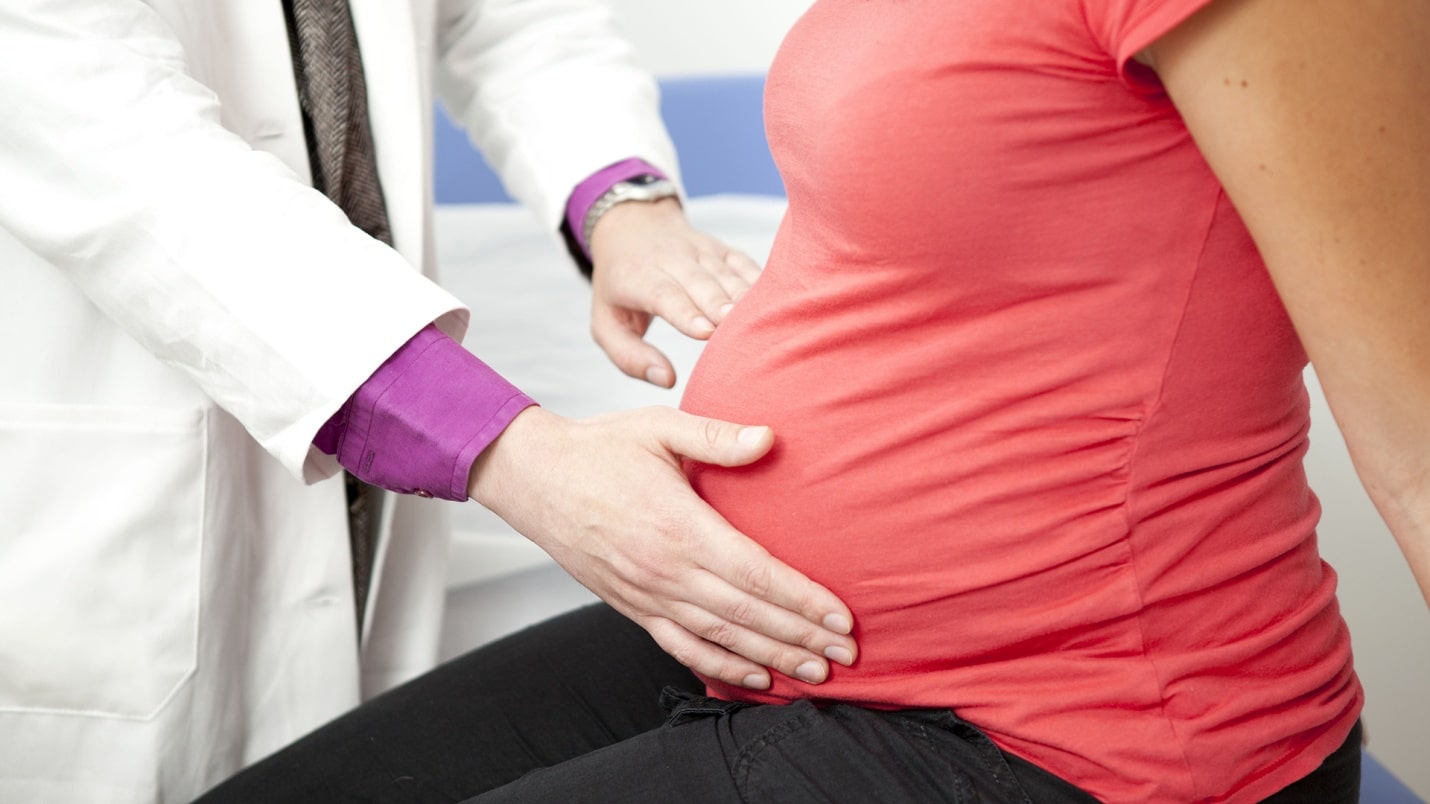
It is often difficult for patients to understand why, when we obtain eggs and sperm, combine them in a successful laboratory to develop embryos and put what appear to be healthy dividing embryos into the uterus, IVF could not succeed. As with most biological events, pregnancy is a very complex process. Even today, what we do not know about pregnancy continues to exceed what we do know.
Nevertheless, there are some specific factors that we have identified that can occasionally lead to IVF failure. Contact Tamara Hospital & IVF Center for the best IVF Treatment in Bangalore.
The most significant variables involved in a successful IVF cycle are a healthy egg, regular, functional sperm, and a uterus capable of nurturing a baby's growth. In addition to these issues, many other factors can impact one's chance of pregnancy with IVF. These include the laboratory environment, the techniques used in the lab, and the skill of the specialists performing egg retrieval and embryo transfer.
The human egg is a very complex structure. As such, it is subject to damage that can render it nonfunctional. As you may recall from high school biology, when cells divide, chromosomes (the packets of DNA that contain your genes and those of your partner) duplicate and line up in the middle of the cell. As the cell divides, half of the chromosomes move in one direction and the other half move in the opposite direction, resulting in two identical cells. These chromosomes move because they are attached to a structure called the spindle apparatus responsible for chromosome separation, which is necessary for cell division. As the oocyte ages, the spindle apparatus becomes prone to breakage – such breakage can result in an abnormal distribution of chromosomes, leading to a chromosomally abnormal and, therefore, nonviable embryo. The oocyte is also subject to damage due to the presence of free radicals, reactive oxygen species and other products of metabolism that occur within the ovary as a woman ages. Recent studies have demonstrated that 25% and 40% of all oocytes are chromosomally abnormal. This number increases as a woman ages.
Although abnormal sperm appear to be a less common factor affecting the success of an IVF cycle, they nevertheless play an essential supporting role. Sperm do not merely bump into an egg and cause fertilization. Instead, the process of fertilization itself is very complex. For sperm to migrate to the egg, they must be motile; in other words, the tail of the sperm must be able to propel the sperm through the female reproductive tract to the egg. There are specific receptors on the surface of a sperm head that bind to specific receptors on the outer membrane of an egg allowing for sperm/egg interaction. Once this happens, enzymes are released from the sperm head that enables the digestion of a hole in the outer membranes of the egg. The sperm eventually penetrates the egg, where the nucleus of the sperm opens, releasing the sperm's DNA. At that point, the chromosomes from the sperm and the chromosomes from the egg combine, producing a fertilized egg (a very early embryo).
Studies suggest that the incidence of chromosomal abnormalities in sperm is far greater than in eggs. However, whereas a chromosomally abnormal oocyte may lead to a chromosomally abnormal pregnancy, chromosomally abnormal sperm appear unable to fertilize an egg successfully.
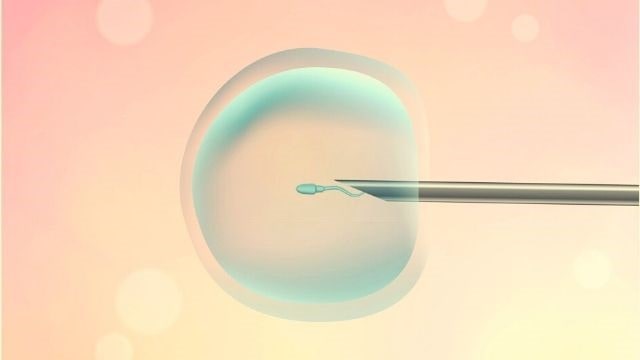
Intracytoplasmic sperm injection (ICSI) was developed to enable men with very low sperm counts, low motility, or very few normal sperm to achieve fertilization and pregnancy. Over the past few years, ICSI has evolved to the point that it is routinely performed in cases of severe male factor, resulting in fertilization rates comparable to those achieved with normal sperm. In addition, data from long-term studies suggest that the incidence of chromosomal abnormalities in the offspring from IVF cycles in which ICSI was utilized does not exceed those found in nature.
The embryologist selects the embryos that are ultimately transferred into the woman's uterus. Unfortunately, our ability to distinguish chromosomally normal from chromosomally abnormal embryos remains severely limited. Essentially, our embryologists select embryos for transfer based on three primary criteria: cell stage, embryo grade and the rate of cell division. We know from studies performed in our laboratory that on day three, embryos that have developed to at least the six-cell stage have a much better prognosis for success than embryos that have five or fewer cells.
Similarly, embryos of a better grade (grade 1, 2 or even 2.5) are much more likely to implant than those of lower grades (3 or 4). In addition, as we observe the embryos regularly, our embryologists can determine the rate of cell division. For example, an embryo that gradually reaches the eight-cell stage by day three is much more likely to do well than an embryo that has delayed fertilization and rapid growth towards the end of this period.
The IVF laboratory is a controlled environment where we attempt to simulate what sperm, eggs and embryos experience inside the female reproductive tract. Precisely, we tightly control oxygen concentration, carbon dioxide concentration, and other factors such as humidity, PH, temperature and light. Even slight alterations from what embryos typically experience can lead to the death of the embryos and, therefore, no chance for pregnancy from the resulting cycle.
Our embryologists continuously keep up with the changing literature and make alterations in our laboratory to optimize the environment to which gametes and embryos are exposed. In addition, they perform daily quality assessments and control procedures to confirm that our equipment is always functioning optimally. The construction of the laboratory itself, which involved placing multiple types of filters in the ceilings of the operating room and the laboratory, was meticulously overseen to guarantee an optimal laboratory environment. In addition, such seemingly minor details as using only incandescent light during procedures can profoundly affect the outcome.
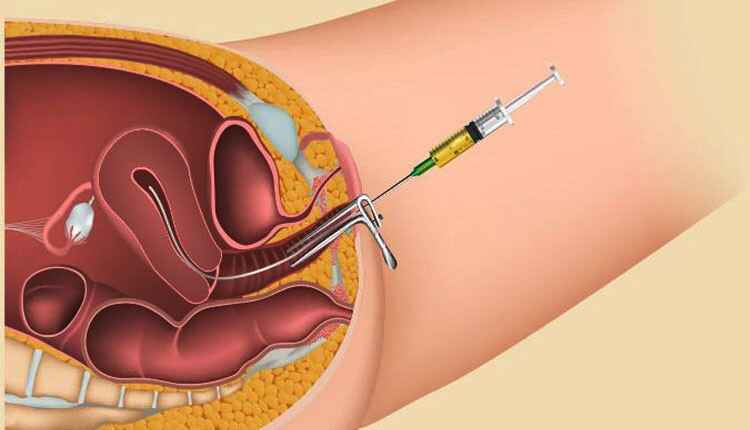
The surgical procedures themselves, the egg retrieval and the embryo transfer, are fundamental to the success of an IVF cycle. Retrieving fewer eggs than expected, or even worse – failing to retrieve any eggs, can lead to an adverse outcome. In addition, during the embryo transfer procedure – one of the most critical steps of the entire cycle – embryos must be placed in the correct location. In our program, we perform a trial transfer to determine, in advance, the optimal location for embryo placement. In addition, before transferring the embryos, your physician will take great pains to remove any cervical mucus or other cellular debris that may plug up the transfer catheter. We also pre-treat all of our patients with a smooth muscle relaxant to prevent contractions of the uterus.
Despite the challenges noted above, in vitro fertilization remains extraordinarily successful. A nationwide study led by our physicians involving over 55,000 IVF cycles from 54 different programs throughout the United States revealed that a couple's chance of delivering a baby is the same in their first three in vitro fertilization cycles. In other words, even if a couple fails to conceive in their first two IVF cycles, their chance of success in the third cycle is still the same as in cycle one or two. If, however, a couple fails to conceive after three cycles of in vitro fertilization, their chance for a successful conception in another IVF cycle diminishes drastically. Then, they should consider other options such as seeking treatment at another facility, donor gametes or other alternatives.
Failure does not have to mean you should give up on your dream of having a baby. Contact Tamara, the best IVF and fertility hospital in Bangalore. Our doctors take on the most challenging cases, providing renewed hope for would-be parents.
Share this Post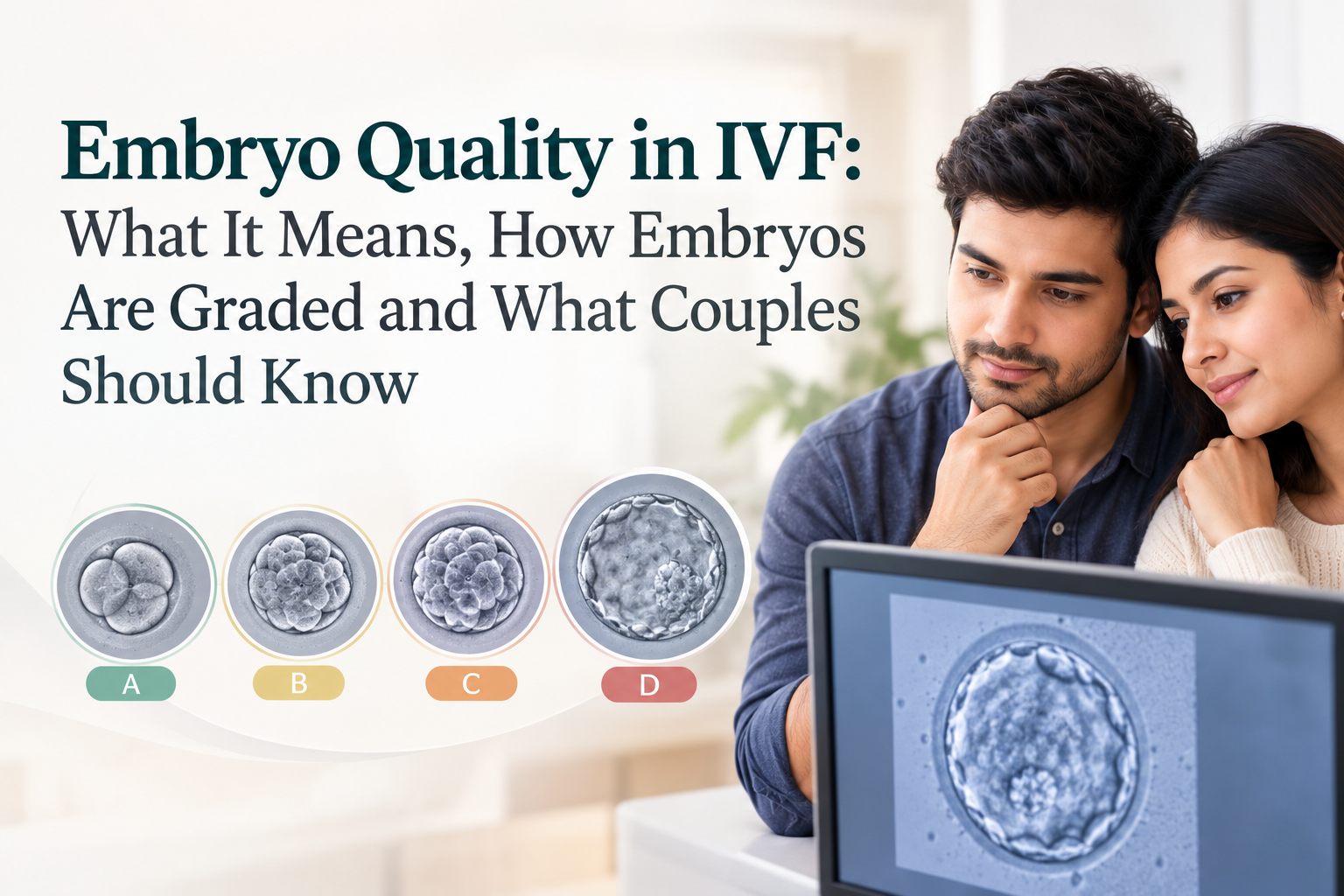


05/04/2025

16/01/2025

10/08/2023
10/08/2023

10/08/2023
10/08/2023

24/07/2023
04/07/2023
04/07/2023

17/06/2023

18/05/2023

24/04/2023

16/03/2023
21/02/2023
21/05/2022

17/03/2021

05/03/2021

02/03/2021

17/02/2021

22/01/2021
18/01/2021
12/01/2021

04/01/2021
31/12/2020

28/10/2020

06/08/2020
03/07/2020

20/06/2020

12/05/2020

14/03/2020

29/02/2020

06/02/2020

State of the science Equipment and Treatment Experience of 35 plus years in patient service Advanced & cost effective Fertility treatment Boutique Birthing Suites Our doctors are from among the best in Bangalore Ambience which is beautiful and pleasant.
#34-3, 10th Cross, 1st N Block,
Opp. Vardhaka Saradar Patel School,
Rajajinagar, Bangalore – 560 010
Telephone : +91 82962 60095