Yet—no pregnancy.
Doctors say: “Unexplained infertility.”
Their first reaction?
👉 “If everything is normal… then what’s wrong?”
In fertility care, there’s a category that confuses couples the most:
👉 Unexplained infertility
This means:
But still—no conception.
👉 It accounts for a significant number of fertility cases today.
It doesn’t mean there’s no problem.
It means:
👉 The problem is not visible in basic tests.
Possible hidden factors:
👉 Fertility is not one process—it’s a chain of perfectly timed events.
Even a small disruption can affect the outcome.
Let’s break it down simply:
1. The Egg Factor
Even with regular periods, egg quality may decline—especially after 30.
2. The Sperm Function Factor
Normal reports don’t always mean optimal performance.
👉 Sperm motility and DNA quality matter.
3. The Meeting Point Problem
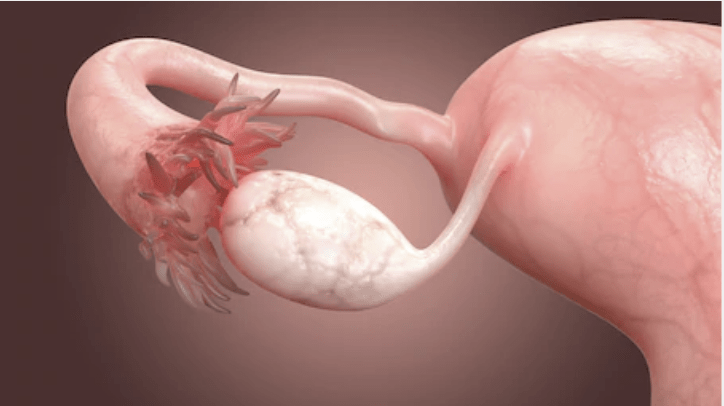
Egg and sperm may not meet at the right time.
Timing plays a critical role.
4. The Implantation Stage
Even after fertilization, the embryo must attach to the uterus.
👉 This is where many unexplained cases occur.
Couples often wait because:
But time affects:
👉 In fertility, delay reduces probability—not just time.
💡 Decision Point: What Should Couples Do?
Instead of waiting endlessly, couples should shift mindset:
👉 From “Why isn’t it happening?”
👉 To “What can we do next?”
Modern fertility care doesn’t jump directly to IVF.
It follows a progression:
Step 1: Cycle Tracking & Optimization
Step 2: Medical Support
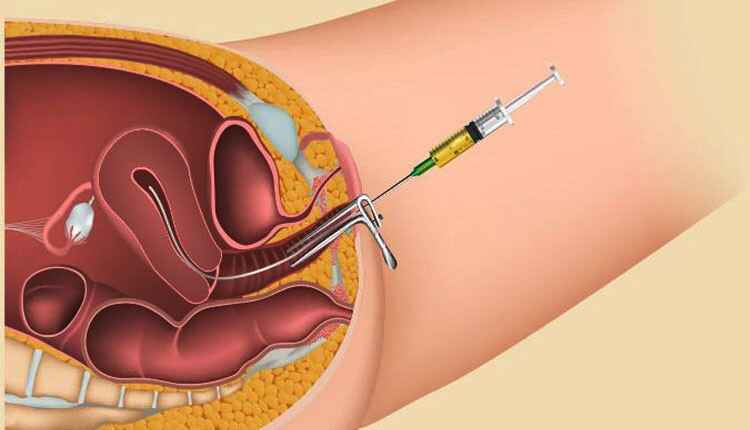
Step 3: Assisted Techniques
Step 4: Advanced Fertility Treatment
👉 The goal is always: minimum intervention, maximum success.
Unexplained infertility creates a unique stress pattern:
👉 This emotional cycle can be more exhausting than a diagnosed condition.
🧘 Breaking the Cycle
Couples need clarity more than reassurance.
What helps:
✔ Proper diagnosis beyond basic tests
✔ Clear treatment roadmap
✔ Realistic expectations
✔ Emotional support
👉 Clarity reduces anxiety.
📊 A Simple Reality Check
If you relate to this:
✔ Trying for 1+ year with no result
✔ Reports are normal
✔ Cycles are regular
✔ No clear diagnosis
👉 You are likely in the “unexplained” category
And the next step is not waiting—it’s advanced evaluation.
Unexplained infertility requires:
General treatment may not work.
👉 This is where specialized fertility centers make a difference—by identifying subtle issues and tailoring treatment accordingly.
1. Is unexplained infertility common?
Yes, it is one of the most common fertility diagnoses today.
2. Can couples conceive naturally in this condition?
Yes, but chances may be lower without targeted intervention.
3. Is IVF necessary for unexplained infertility?
Not always. Treatment depends on individual evaluation.
4. Does stress cause unexplained infertility?
Stress can contribute, but it’s usually not the sole reason.
5. How long should couples wait before treatment?
If trying for 6–12 months without success, evaluation is recommended.
Unexplained infertility is not the absence of a problem—
👉 It’s the presence of a hidden one.
And hidden problems need smarter diagnosis, not more waiting.
Because sometimes, the answer isn’t in doing more tests—
👉 It’s in taking the right next step.

MBBS, DGO, DRM Gynecologist, Obstetrician & Infertility Specialist
Experience: 11+ Years
Dr. Akhila Anand is the resident Obstetrician, Gynecologist & one of the Best Fertility / IVF Doctor in Rajajinagar, Bangalore.



05/04/2025

16/01/2025

10/08/2023
10/08/2023

10/08/2023

10/08/2023

24/07/2023

04/07/2023

04/07/2023

17/06/2023

18/05/2023

24/04/2023

16/03/2023

21/02/2023

21/05/2022

17/03/2021

05/03/2021

02/03/2021

17/02/2021

22/01/2021
18/01/2021

12/01/2021

04/01/2021

31/12/2020

28/10/2020

06/08/2020

03/07/2020

20/06/2020

12/05/2020

14/03/2020

29/02/2020

06/02/2020

State of the science Equipment and Treatment Experience of 35 plus years in patient service Advanced & cost effective Fertility treatment Boutique Birthing Suites Our doctors are from among the best in Bangalore Ambience which is beautiful and pleasant.
#34-3, 10th Cross, 1st N Block,
Opp. Vardhaka Saradar Patel School,
Rajajinagar, Bangalore – 560 010
Telephone : +91 82962 60095