Regarding growing families, no single technology has had more impact than IVF. Today there are well over 5 million people in the world who were born using IVF, which is expected to grow significantly.

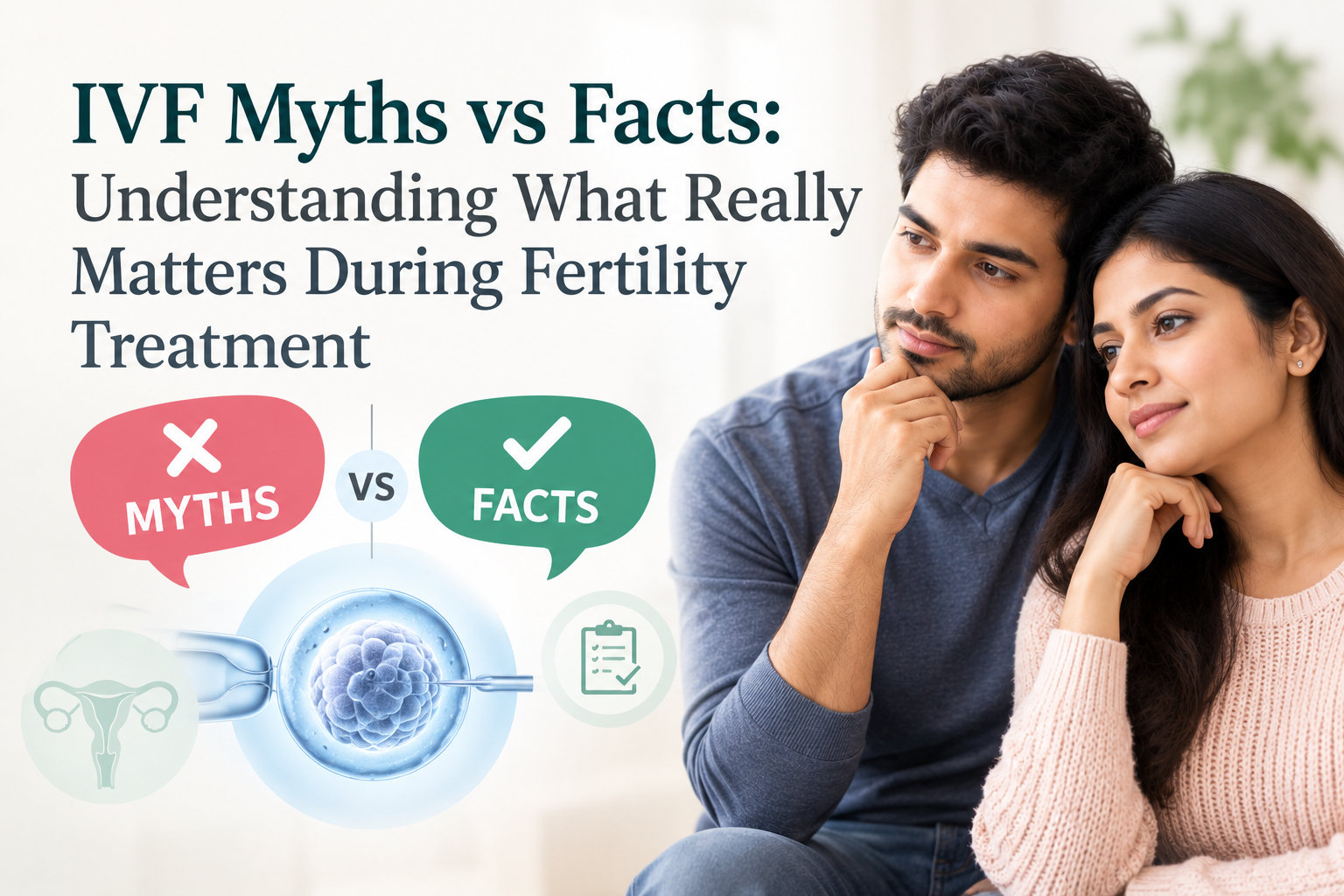
While a great deal of helpful information is available about IVF, there is also a lot of misinformation and outdated information.
This guide aims to answer some of the most common questions about IVF and provide understanding and information you can use when talking with your doctor or a fertility specialist.
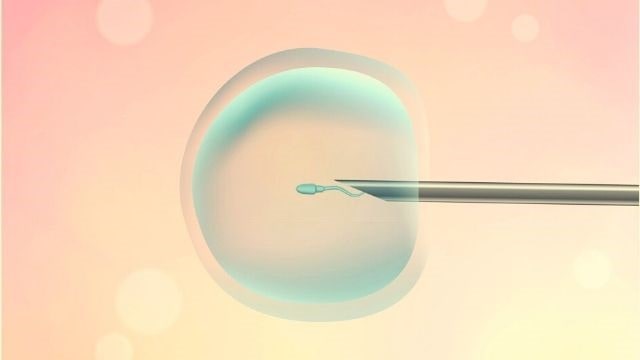
IVF is a method of assisted reproductive technology (ART) in which eggs and sperm are combined outside the womb (uterus) in a specialized laboratory. If the egg fertilizes and begins cell division, the resulting embryo can be transferred into the woman's uterus, which will hopefully implant in the uterine lining and further develop into a healthy infant. It can also be frozen and saved for the future.
IVF is currently the most effective form of assisted reproductive technology. The procedure can be done using a woman's eggs and a partner's sperm, or sperm or eggs from a known or anonymous donor. A gestational carrier/surrogate may also be used to carry the pregnancy.
IVF, the most commonly performed assisted reproductive technology (ART), is used worldwide by patients and couples trying to conceive. As a reproductive and infertility specialist, I answer IVF questions from patients daily and decided to compile some of the more commonly asked IVF questions I receive.
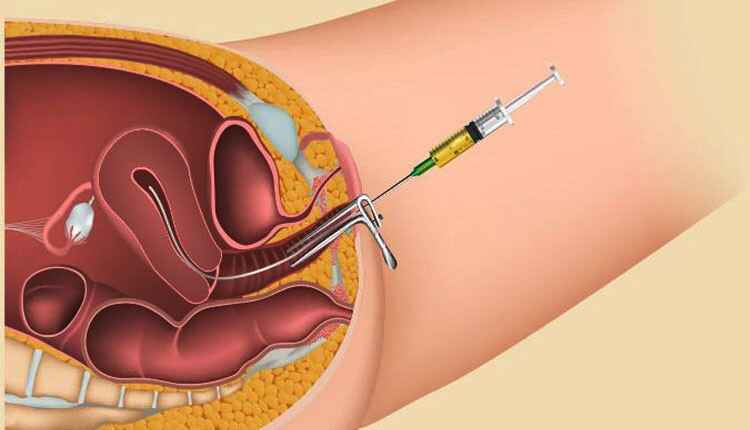
IVF, or In Vitro Fertilization, is a procedure in which multiple eggs are stimulated to mature and are then retrieved. The egg retrieval process is usually done under light anesthesia and takes 10 to 15 minutes to use a needle under ultrasound guidance. No incisions are required, so the recovery is typically reasonably straightforward, with mild bleeding and cramping being the most common symptoms post-retrieval, and most patients can return to their routine the following day. Eggs can then be frozen for patients interested in fertility preservation or fertilized to create embryos that can then be used to help a woman or couple conceive.
How long is the IVF process from start to finish?
It typically takes 2-4 weeks to prepare for IVF, and the stimulation phase entails about 8-10 days of fertility shots, and egg retrieval is performed two days later.
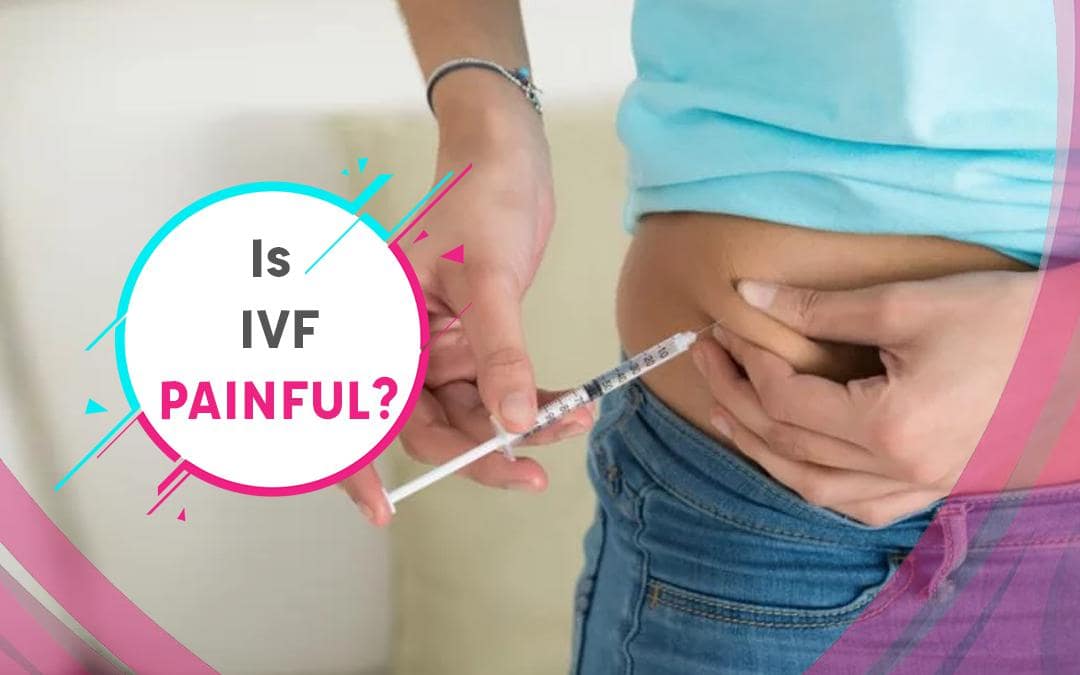
Is IVF painful?
Most patients do not report significant discomfort during the IVF process. Some women may feel bloating during the ovarian stimulation phase, and light bleeding or cramping may occur after egg retrieval.
What are the potential side effects of undergoing IVF?
Given streamlined changes in the process, most patients tolerate the procedure well. We rarely see ovarian hyperstimulation these days since we changed our medication protocols. Since we use sequencing technologies to identify healthy embryos, we can avoid twins and triplets. In other words, aside from bloating and inconvenience, IVF is now really well tolerated.
Is there anything that could negatively impact IVF success?
Given the decline in egg quality with age, older women who experience premature ovarian aging often make more attempts to produce a healthy egg. By maintaining a healthy lifestyle, a healthy body weight, and a focus on health and wellness, success rates can be optimized.
Where are eggs/sperm/embryos stored?
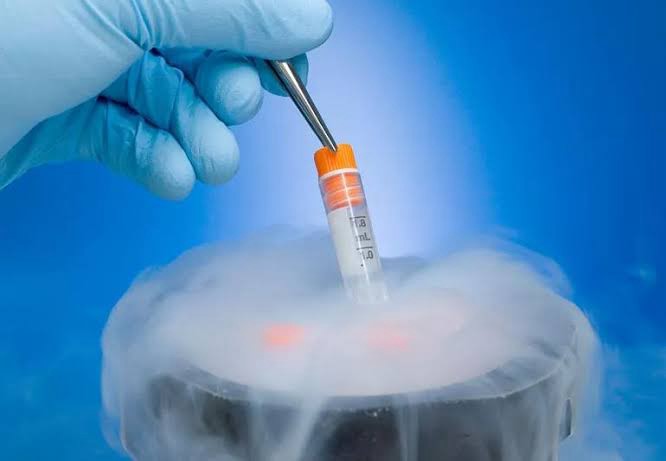
Gametes and embryos are stored in our andrology and embryology laboratories. Eggs, sperm, and embryos are stored in liquid nitrogen. The duration of time gametes and embryos are frozen does not affect the procedure's success rate using the frozen specimen. All frozen samples are located on-site in a secure room equipped with a 24-hour-a-day, 7-day-a-week alarm-monitoring system to alert embryologists regarding any temperature change.
What does the Day 3/5/7 transfer mean?
Historically, embryos were transferred after three days post-retrieval because our ability to culture embryos beyond this point wasn't efficient. Today, given advances in culture techniques and clean room technology, most top centers can culture until the blastocyst stage (days 5-7). Extended culture enables us to better select embryos for transfer,r as they are at a more advanced stage of development. An additional benefit of extending culture to the blastocyst stage is that placental cells (trophectoderm) can be biopsied and analyzed, allowing us to confirm that the healthiest embryos are selected for transfer.
Does the process change if using donor eggs or sperm?
No, IVF can be used with donor sperm – which freezes and thaws well – or a patient can use an egg donor if necessary for a successful outcome.
Will I lose eggs faster if I take fertility drugs that result in multiple eggs ovulating and releasing each month?
No. Women lose the same number of eggs each month regardless of medications that alter how many fully mature and ovulate (or are retrieved during an IVF cycle). Fertility drugs rescue more eggs destined to die off (called atresia) that month. Incidentally, the converse also holds that oral contraceptive use prevents an egg from ovulating altogether and doesn't protect eggs from being lost each month. Using fertility drugs and oral contraceptives doesn't affect the age at which a woman will reach menopause (when eggs have been depleted).
Why is it necessary to have so many eggs while undergoing IVF?
The human reproductive process could be more efficient. Some eggs are immature. Some mature eggs won't fertilize normally. A proportion of embryos are arrested – presumably due to some inherent abnormality in the embryo. A balance of embryos that do well in culture is genetically abnormal. So while the number of eggs necessary to achieve a live birth depends in part on a woman's age, the fact remains that most eggs will not lead to live births in all women. Also, importantly, extra embryos can be frozen for future use. In many cases, this enables more than one attempt at pregnancy per egg retrieval and more than one child from one retrieval cycle if extra embryos are available for cryopreservation.
We at Tamara hospital & IVF Center provide the best IVF Treatments and procedures to have expanded to help more and more patients to achieve their dream of growing their families.
Share this Post


05/04/2025

16/01/2025

10/08/2023
10/08/2023

10/08/2023
10/08/2023
24/07/2023
04/07/2023
04/07/2023
17/06/2023

18/05/2023

24/04/2023

16/03/2023
21/02/2023
21/05/2022

17/03/2021

05/03/2021

02/03/2021

17/02/2021

22/01/2021
18/01/2021
12/01/2021

04/01/2021
31/12/2020

28/10/2020

06/08/2020
03/07/2020

20/06/2020

12/05/2020

14/03/2020

29/02/2020

06/02/2020
State of the science Equipment and Treatment Experience of 35 plus years in patient service Advanced & cost effective Fertility treatment Boutique Birthing Suites Our doctors are from among the best in Bangalore Ambience which is beautiful and pleasant.
#34-3, 10th Cross, 1st N Block,
Opp. Vardhaka Saradar Patel School,
Rajajinagar, Bangalore – 560 010
Telephone : +91 82962 60095