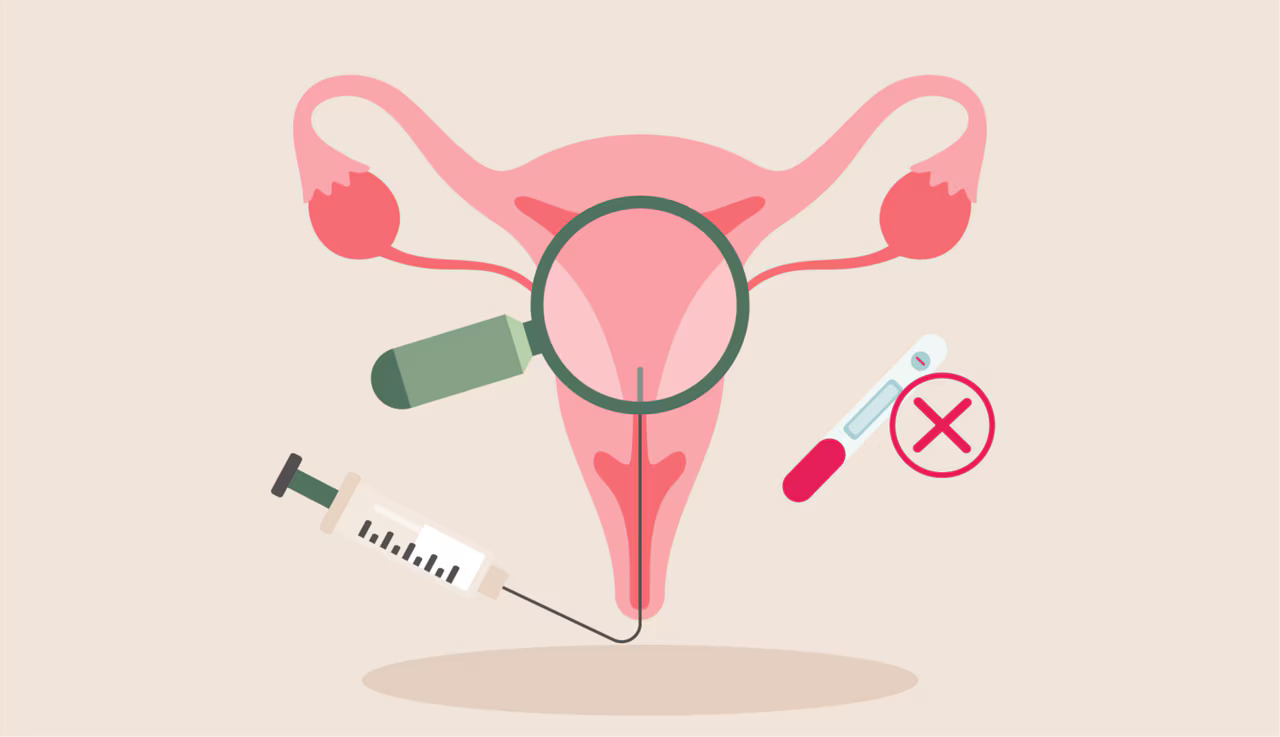
Hormones play a critical role in female fertility, acting as chemical messengers that regulate many bodily functions necessary for conception. Understanding the balance and function of these hormones is essential for anyone looking to conceive or address fertility issues.
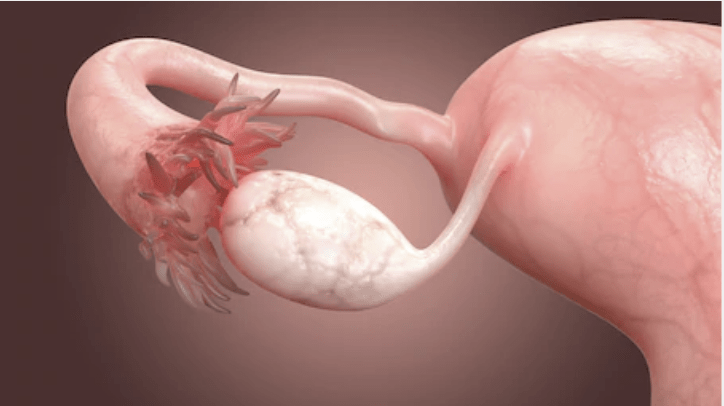
Function: FSH is produced by the pituitary gland and is essential for the growth and maturation of ovarian follicles, which contain eggs.
Cycle Role: Levels of FSH rise during the first half of the menstrual cycle, leading to the development of a dominant follicle ready for ovulation.
Function: LH, also produced by the pituitary gland, triggers ovulation, the release of a mature egg from the ovary.
Cycle Role: A surge in LH levels mid-cycle induces ovulation, typically around day 14 in a 28-day cycle.
Function: Estrogen is primarily produced by the ovaries and is responsible for the growth of the uterine lining, preparing it for a potential pregnancy.
Cycle Role: Estrogen levels peak just before ovulation, ensuring the uterine environment is optimal for embryo implantation.
Function: Produced by the corpus luteum (the follicle remnant post-ovulation), progesterone stabilizes the uterine lining and supports early pregnancy.
Cycle Role: After ovulation, progesterone levels rise to maintain the uterine lining for potential embryo implantation and pregnancy.
Function: GnRH, produced by the hypothalamus, regulates the release of FSH and LH from the pituitary gland.
Cycle Role: Pulsatile release of GnRH ensures proper timing and levels of FSH and LH for follicle development and ovulation.
Function: hCG is produced by the placenta after implantation and maintains the corpus luteum, thus sustaining progesterone production in early pregnancy.
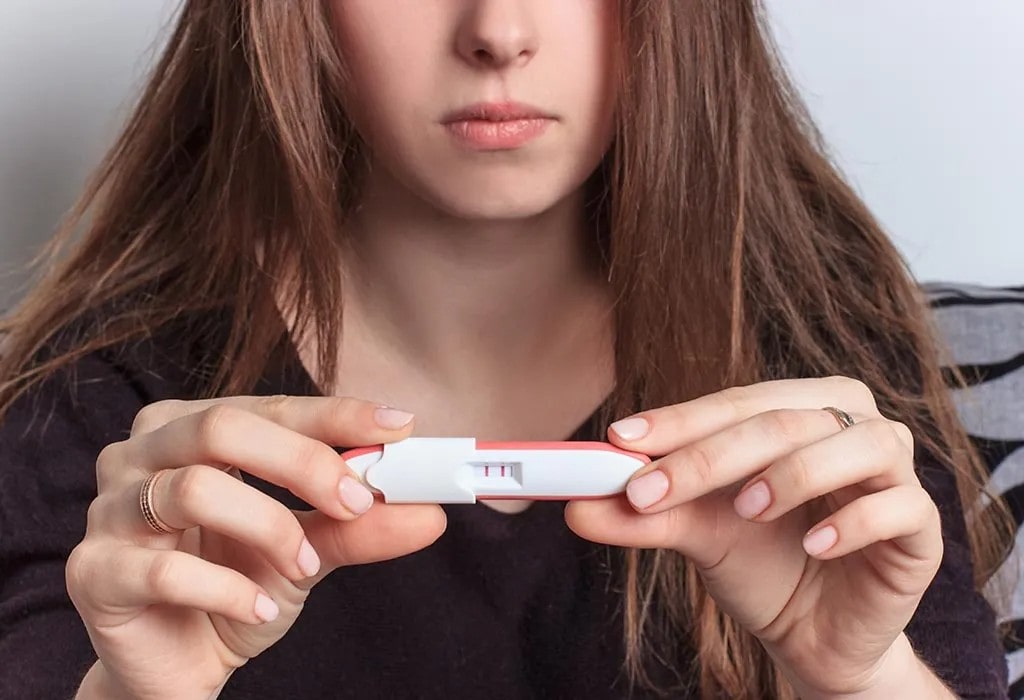
Cycle Role: Detection of hCG forms the basis of most pregnancy tests, as its levels rise significantly in early pregnancy.
Imbalances in these critical hormones can lead to various fertility issues:
• Polycystic Ovary Syndrome (PCOS): Characterized by elevated levels of androgens (male hormones) and insulin resistance, leading to irregular ovulation and menstrual cycles.
• Hypothyroidism/Hyperthyroidism: Thyroid hormone imbalances can disrupt menstrual cycles and ovulation, affecting fertility.
• Premature Ovarian Failure (POF): Early depletion of ovarian follicles and reduced estrogen production can lead to infertility.
• Luteal Phase Defect: Insufficient progesterone production post-ovulation can prevent the uterine lining from supporting a pregnancy.
• Blood Tests: Measure levels of key hormones like FSH, LH, estrogen, progesterone, and thyroid hormones.
• Ultrasound: Monitor follicle development and ovulation.
• Basal Body Temperature (BBT) Charting: Track ovulation by noting temperature changes.
• Medications: Hormonal therapies such as clomiphene citrate or letrozole stimulate ovulation. Metformin can address insulin resistance in PCOS.
• Lifestyle Changes: Diet, exercise, and stress management can improve hormonal balance.
• Assisted Reproductive Technologies (ART): Procedures like in vitro fertilization (IVF) may be recommended for certain hormonal imbalances.
Navigating hormonal health is complex and requires professional guidance. Consulting with a fertility specialist can provide personalized insights and treatment options. For expert advice and care in fertility and reproductive health, contact Tamara Hospital and IVF Centre in Bangalore. Our experienced team is dedicated to helping you understand and manage your hormonal health, ensuring the best possible outcomes on your fertility journey.
Share this Post


05/04/2025

16/01/2025

10/08/2023
10/08/2023

10/08/2023
10/08/2023

24/07/2023
04/07/2023
04/07/2023
17/06/2023

18/05/2023

24/04/2023

16/03/2023
21/02/2023
21/05/2022

17/03/2021

05/03/2021

02/03/2021

17/02/2021

22/01/2021
18/01/2021
12/01/2021

04/01/2021
31/12/2020

28/10/2020

06/08/2020
03/07/2020

20/06/2020

12/05/2020

14/03/2020

29/02/2020

06/02/2020

State of the science Equipment and Treatment Experience of 35 plus years in patient service Advanced & cost effective Fertility treatment Boutique Birthing Suites Our doctors are from among the best in Bangalore Ambience which is beautiful and pleasant.
#34-3, 10th Cross, 1st N Block,
Opp. Vardhaka Saradar Patel School,
Rajajinagar, Bangalore – 560 010
Telephone : +91 82962 60095