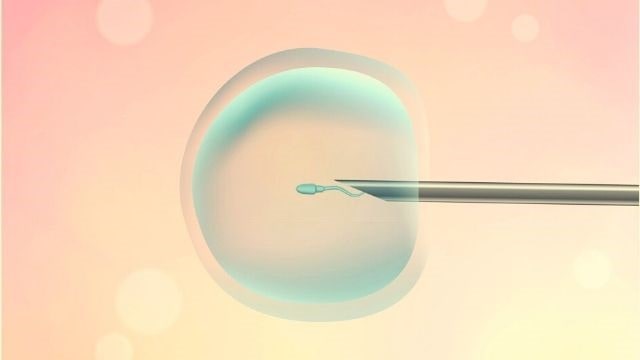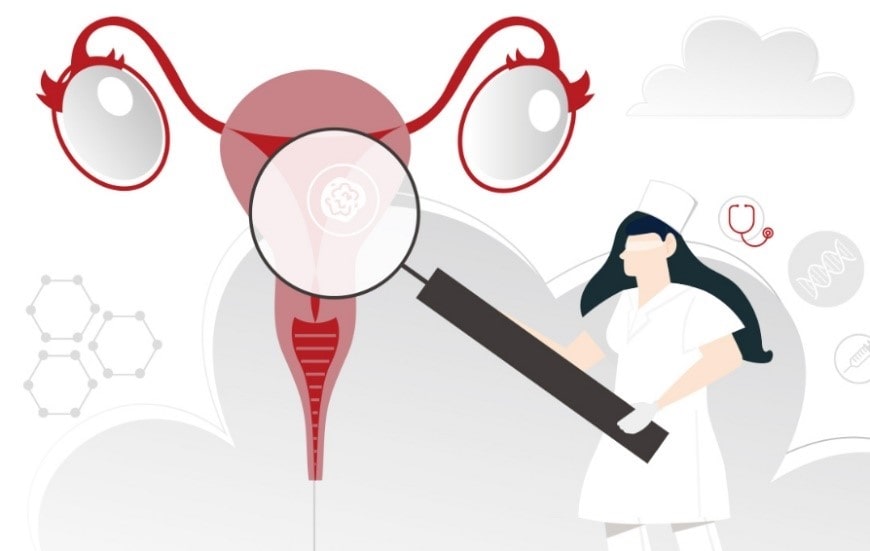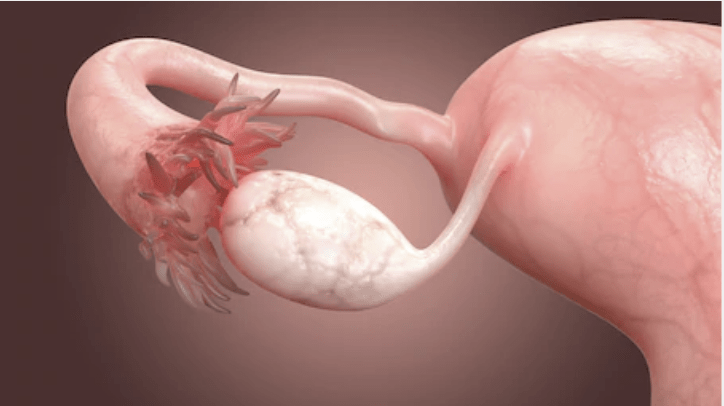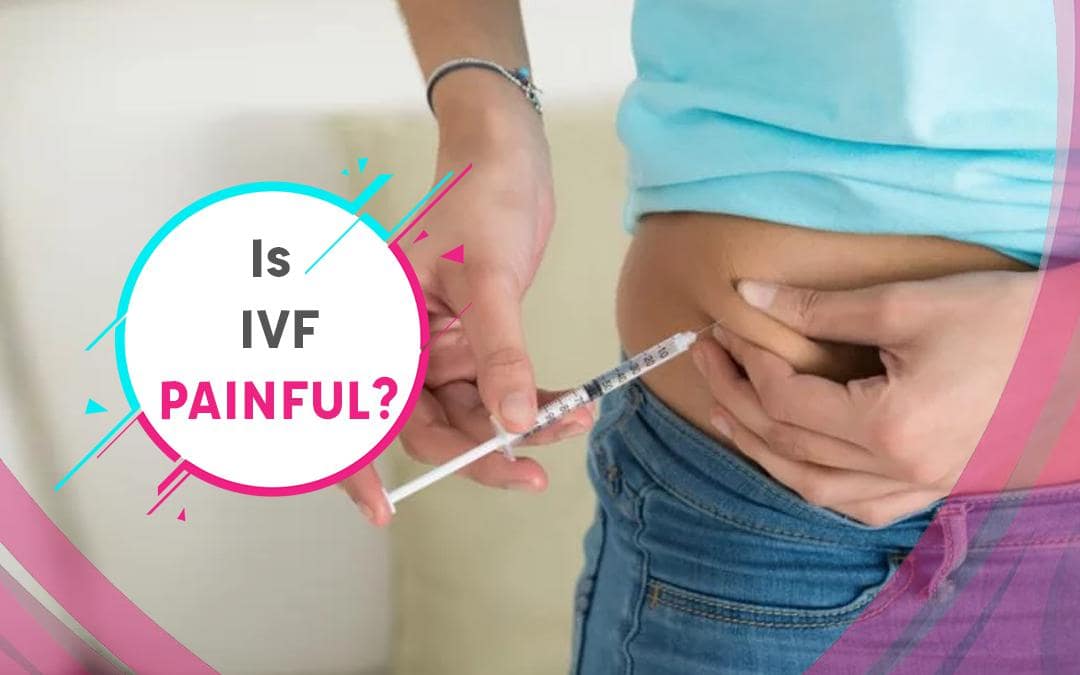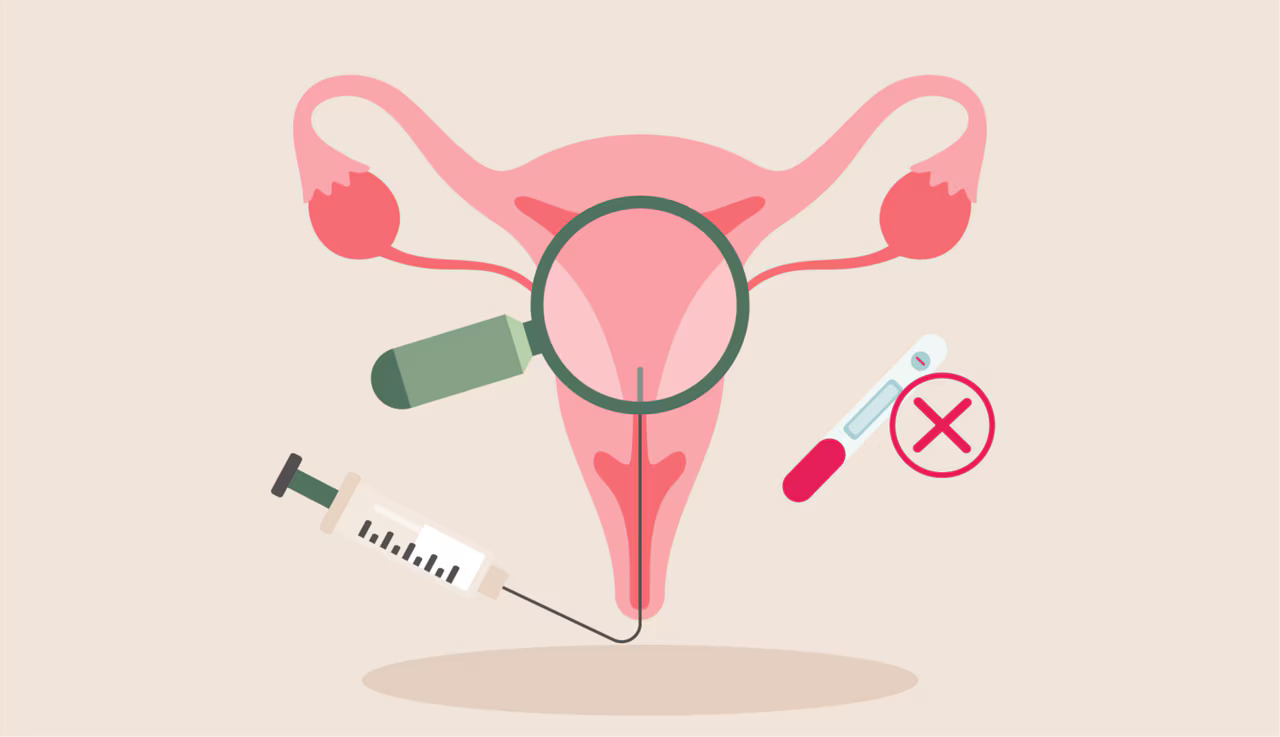
- Infertility: Infertility is a medical condition characterized by the inability to conceive after a year of regular, unprotected sexual intercourse. It can affect both men and women and may result from various factors, including issues with ovulation, sperm production, fallopian tube blockages, or conditions that affect the reproductive organs.
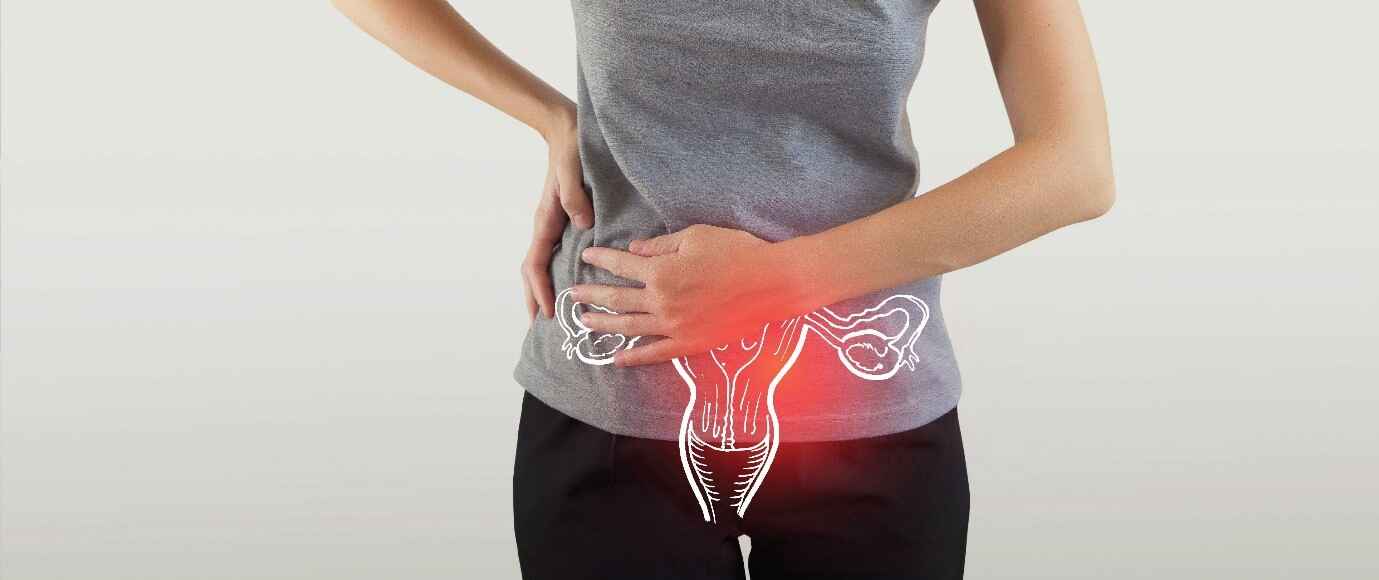
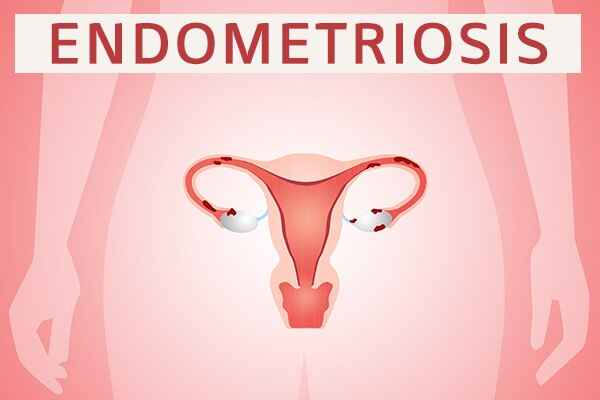
- Endometriosis: Endometriosis is a chronic condition where tissue similar to the lining of the uterus (endometrium) grows outside the uterus. This tissue, called endometrial implants, can be found on the ovaries, fallopian tubes, outer surface of the uterus, and other pelvic organs. Unlike the normal endometrial tissue, the displaced tissue has no way to exit the body, leading to inflammation, pain, and the formation of scar tissue (adhesions).
How Endometriosis Affects Infertility
Endometriosis can have a significant impact on fertility for several reasons:
- Distorted Anatomy: The presence of endometrial tissue outside the uterus can lead to the distortion of pelvic anatomy. This distortion may interfere with the normal functioning of the ovaries, fallopian tubes, and uterus, making it difficult for the egg to meet the sperm and implant in the uterus.
- Inflammation and Scarring: Endometriosis can cause inflammation and the formation of scar tissue. This can affect the function of the reproductive organs, leading to blockages in the fallopian tubes, preventing the egg from reaching the uterus.
- Alterations in the Pelvic Environment: The inflammatory response associated with endometriosis can create an inhospitable environment for fertilization and implantation. This can negatively impact the quality of the eggs, sperm, or the ability of the embryo to implant in the uterus.
Symptoms of Endometriosis:
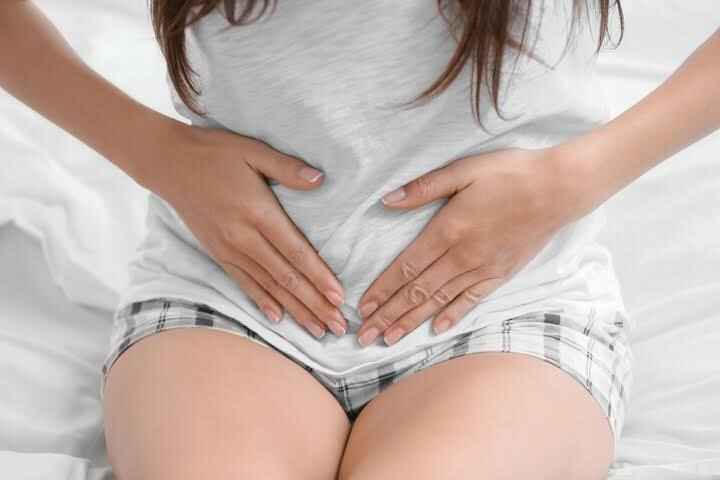
- Pelvic Pain: The most common symptom is pelvic pain that may range from mild to severe, especially during menstruation.
- Painful Menstruation (Dysmenorrhea): Women with endometriosis often experience intense menstrual cramps.
- Painful Intercourse: Discomfort or pain during sexual intercourse is common.
- Irregular Menstrual Bleeding: Some women with endometriosis may experience irregular periods or heavy menstrual bleeding.
- Gastrointestinal Symptoms: Endometriosis can cause bowel-related symptoms, such as diarrhea, constipation, or bloating, especially during menstruation.
Causes of Endometriosis
The exact cause of endometriosis is not fully understood, but several theories exist, including:
- Retrograde Menstruation: Menstrual blood containing endometrial cells flows back into the pelvic cavity instead of out of the body.
- Immune System Dysfunction: Issues with the immune system may allow endometrial cells to implant and grow outside the uterus.
- Hormonal Factors: Estrogen, a hormone that regulates the menstrual cycle, may contribute to the development and growth of endometriosis.
Conclusion
Endometriosis is a complex condition that not only causes pain and discomfort but can also significantly impact fertility. Understanding the relationship between endometriosis and infertility is crucial for those trying to conceive, as early diagnosis and appropriate management can improve the chances of successful conception. If infertility is a concern, Contact tamara the best endometriosis treatment in bangalore is essential for a thorough evaluation and personalized treatment plan.
Share this Post