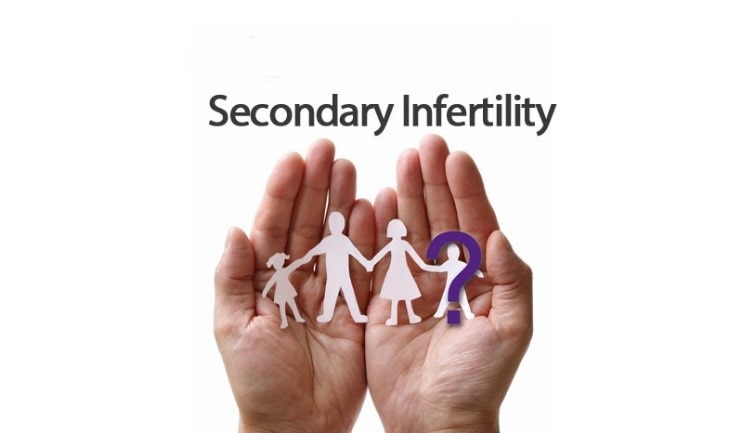
The age at which a woman decides to have children can significantly impact fertility and pregnancy outcomes. While the idea of starting a family later in life has become more common, it is important to understand how age affects both a woman's ability to conceive and the overall health of the pregnancy. At Tamara Hospital and IVF Centre, we specialize in providing expert care and guidance for women at every stage of their reproductive journey. This blog explores how age influences fertility, common challenges faced by older women, and how fertility treatments can help.
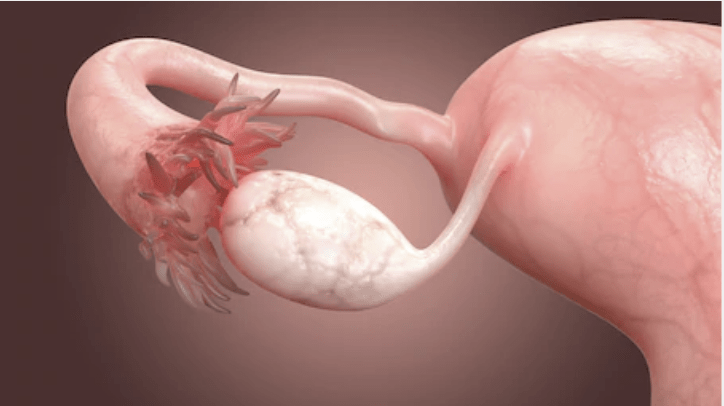
Fertility is the natural ability to conceive and carry a pregnancy to term. A woman’s fertility is closely linked to her reproductive system’s health, which undergoes changes over time. From puberty to menopause, your body's ability to get pregnant fluctuates, and understanding these changes can help you make informed decisions about family planning.
Women are most fertile in their 20s, and fertility rates are typically at their highest. During this time, your ovaries produce the most eggs, and your hormone levels support optimal reproductive health.
By the time you reach your 30s, particularly after age 35, fertility begins to decline. While it is still possible to get pregnant in your 30s, the process becomes more challenging.
After age 40, fertility significantly declines, and the challenges of conception and maintaining a healthy pregnancy increase. Many women in their 40s may need assistance to conceive, such as fertility treatments like IVF.
While age may affect fertility, advancements in reproductive medicine offer solutions for women facing fertility challenges. At Tamara Hospital and IVF Centre, we provide various treatments designed to support women in their fertility journey, regardless of age.
Maintaining a healthy lifestyle is essential for fertility, regardless of age. Women trying to conceive should prioritize a balanced diet, regular exercise, and mental well-being. Other factors that support fertility include:
While age plays a significant role in fertility and pregnancy, it’s important to remember that many women successfully conceive and have healthy pregnancies in their 30s and 40s with the right care and support. At Tamara Hospital and IVF Centre, we offer personalized fertility treatments and expert guidance to help women navigate their fertility journey at any age.
If you are considering starting or expanding your family, contact Tamara Hospital today. Our team of fertility specialists and gynecologists is here to help you understand your options and provide the support you need to achieve your pregnancy goals.
Book a consultation today to discuss your fertility concerns and take the first step towards growing your family!

MBBS, DGO, DRM Gynecologist, Obstetrician & Infertility Specialist
Experience: 11+ Years
Dr. Akhila Anand is the resident Obstetrician, Gynecologist & one of the Best Fertility / IVF Doctor in Rajajinagar, Bangalore.


05/04/2025
16/01/2025

10/08/2023
10/08/2023

10/08/2023
10/08/2023

24/07/2023

04/07/2023
04/07/2023
17/06/2023
18/05/2023

24/04/2023

16/03/2023
21/02/2023

21/05/2022

17/03/2021

05/03/2021

02/03/2021

17/02/2021

22/01/2021
18/01/2021

12/01/2021

04/01/2021

31/12/2020

28/10/2020

06/08/2020

03/07/2020

20/06/2020

12/05/2020

14/03/2020

29/02/2020

06/02/2020
State of the science Equipment and Treatment Experience of 35 plus years in patient service Advanced & cost effective Fertility treatment Boutique Birthing Suites Our doctors are from among the best in Bangalore Ambience which is beautiful and pleasant.
#34-3, 10th Cross, 1st N Block,
Opp. Vardhaka Saradar Patel School,
Rajajinagar, Bangalore – 560 010
Telephone : +91 82962 60095